
 By
By A sudden flare-up overnight drew more attention to tensions between Israel and Iran, following nighttime bombings aimed at sites inside Tehran. Though Washington had spoken out against further actions – with former President Trump war`ning of consequences – missiles were fired anyway. This shift pushed the region into deeper uncertainty, where stability was already hanging by a thread. Markets reacted quietly at first, yet whispers grew about possible ripples through oil supplies worldwide.
One day after Trump stated he told Israeli leader Benjamin Netanyahu to stop hitting Iran’s gas sites, fresh assaults began again, Reuters reported. Confirmation came from Netanyahu himself: yes, Trump made that request. Yet what happened next suggests the situation still spirals beyond restraint.
It started on February 28, after U.S. and Israeli attacks came in response to failed negotiations about Iran’s nuclear efforts. Over time, the fighting took many lives, spread across nearby nations, while shaking financial markets worldwide. Deep inside Tehran, recent actions by Israel hit facilities tied to Iran’s leadership, according to Reuters – pushing tensions further in a struggle already changing the area’s balance.
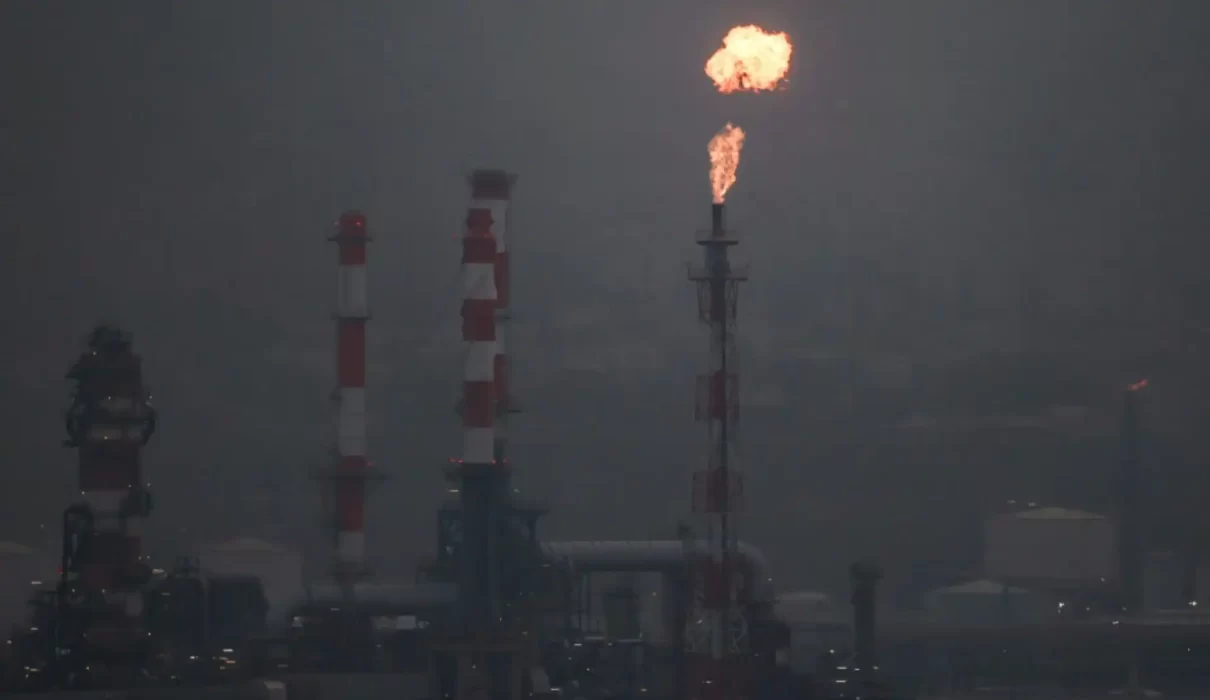
Out past the fighting, strikes are now targeting vital power sites around the Gulf. Reports say Iran’s countermove heavily hit Qatar’s Ras Laffan Industrial City – home to roughly 20 percent of global LNG processing. Recovery might stretch over several years, turning this blow into a rare danger for worldwide fuel flow. That single event shifted how fragile the system really is.
Things got worse overnight. Missiles struck locations in Bahrain, Kuwait, and the UAE on Friday morning, hitting close to dawn. At the same time, Saudi Arabia’s key port along the Red Sea came under fire. Worries are growing that fighting might pull more countries in – pressure near the Strait of Hormuz keeps climbing. That passage moves about 20 percent of the planet’s oil, making it vital for energy shipping worldwide.
Fridays brought calmer oil costs despite Thursdays jump tied to energy zone strikes. A group of influential nations stepped forward, hinting at swift moves if shipping routes faced trouble near Hormuz. Their presence could smooth disruptions before they grow. Voices from London, Ottawa, Paris, Berlin, Rome, The Hague, and Tokyo aligned in a shared message. Stability in fuel flow matters, they agreed. Measures may follow, quiet but firm, should tensions flare again. Movement stays watchful, not reactive. Confidence grows when multiple powers signal coordination behind the scenes.
Now comes word of growing distance between Washington and Jerusalem on what the war should achieve. According to Reuters, American planners stress weakening Iran’s missiles and ships. In contrast, Israel seems bent on targeting those who run the country. This mismatch in aim could make joint moves harder later. The tension grows just as the fighting takes a sharper turn.
A fresh phase of conflict might be unfolding, Iran suggests, after assaults hit its energy locations. Should these hits persist, threats loom over facilities tied to America and its partners – military voices there make that clear. Though efforts exist to avoid massive market chaos, uncertainty lingers heavily. Without resolution near, ripples through global fuel supplies stay likely.
Still, things keep shifting fast. With Israel hitting targets recently, followed by Iran vowing stronger responses, tension climbs. Energy sites across the Gulf feel more exposed than before, adding risk beyond just battles. Once rooted in disputes about atomic programs, events now ripple outward – pulling nations into wider uncertainty. A chain once limited is now stretching through markets far away.
