
 By
By A landmark case in Spain has tested the limits of assisted dying law, patient autonomy, and judicial intervention — with the European Court of Human Rights delivering the final word.
Warning: This article contains references to sexual assault and suicide.
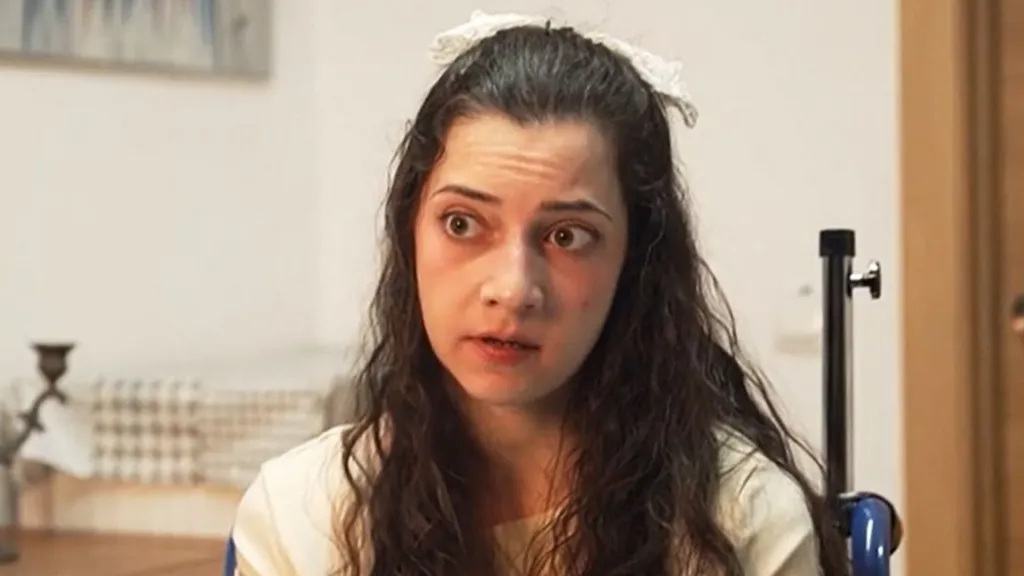
A 25-year-old Spanish woman, Noelia Castillo, died by euthanasia on Thursday, March 27, 2026, following one of the most legally complex and emotionally charged right-to-die cases in European history. Her death came after an 18-month court battle that ultimately required the intervention of the European Court of Human Rights (ECHR) — marking the first time in Spain that a judge was called upon to decide whether an individual’s assisted dying request could proceed.
Background: A Life Marked by Trauma and Legal Paralysis
Castillo, a resident of Barcelona, was left paraplegic after sustaining severe injuries during a suicide attempt in 2022. In interviews given to Spanish television earlier this week, she spoke openly about a difficult childhood spent largely in care homes and described being sexually assaulted on two separate occasions once by a former partner and once by several men at a nightclub.
Despite her significant physical and psychological suffering, the Catalan government approved her application for assisted dying under Spain’s euthanasia framework in the summer of 2024. The process was halted at the last moment after her father filed legal objections with the backing of the conservative religious advocacy group Abogados Cristianos (Christian Lawyers).
Her father argued that his daughter suffered from a personality disorder that impaired her capacity to make sound decisions. He also invoked the state’s duty to protect vulnerable individuals, particularly young people with diagnosed mental health conditions. Those objections triggered an 18-month suspension of Castillo’s approved request — an extraordinary delay for someone whose right to die had already been legally recognized by regional authorities.
The Legal Battle: From Spanish Courts to Strasbourg
What began as a family dispute over medical autonomy quickly escalated into a multi-jurisdictional legal proceeding with significant implications for European human rights law. The case wound through the Spanish court system before reaching the ECHR in Strasbourg, which ultimately ruled in Castillo’s favour and cleared the path for her death to proceed.
This case raises significant questions about the intersection of family law, mental capacity assessments, and constitutional protections for individual autonomy themes that legal professionals following EU legal developments will recognize as increasingly central to litigation across the continent.
The ruling is notable for another reason: it is reportedly the first instance in Spain where a judge was required to adjudicate an assisted dying application. Until this case, Spain’s euthanasia law, which came into force in 2021, had not been stress-tested by judicial intervention in this way.
Spain’s Euthanasia Framework Under Scrutiny
Spain legalized euthanasia and assisted dying in June 2021, becoming one of a small number of countries worldwide to do so. Under the legislation, applicants must meet a set of defined criteria, including the presence of a serious and incurable disease or a debilitating chronic condition causing intolerable physical or psychological suffering. According to government data, 426 assisted dying requests were granted in 2024 alone.
The Castillo case, however, has exposed a significant gap: the law did not anticipate a scenario in which a third party even a close family member could use legal proceedings to indefinitely delay an already-approved application. Abogados Cristianos, commenting after her death, stated that the case demonstrates what they described as serious flaws in the law’s safeguards.
Legal commentators are likely to debate whether the father’s prolonged intervention constituted a legitimate exercise of procedural rights or an abuse of the legal system to override his adult daughter’s autonomous medical decision. Courts and legislatures in several European nations are grappling with similar questions as assisted dying laws evolve. Those tracking landmark lawsuits shaping legal precedent will find the procedural dynamics of this case particularly instructive.
Castillo’s Own Words
Before her death, Castillo spoke publicly and with striking clarity about her wishes and the pain of having her decision challenged by those closest to her.
“Nobody in my family is in favour,” she said in an interview with Spanish television. “I am leaving and you are staying here with all the pain, but what about all the suffering I have endured over the years? I just want to leave in peace and stop the pain.”
She rejected any suggestion that her father’s opposition came from a place she could accept. “He hasn’t respected my decision and never will,” she said. Castillo acknowledged that her family would be permitted to say their goodbyes but expressed her wish to be alone with her physician when the lethal injection was administered.
Her mother, Yolanda, publicly stated that while she did not support her daughter’s choice, she respected it — a nuanced distinction that reflects the deeply personal terrain these cases occupy for families caught between love and legal conflict.
Legal Implications Beyond Spain
The Castillo case carries weight well beyond Spanish borders. The ECHR’s ruling reinforces that individual autonomy in end-of-life decisions can be protected under the European Convention on Human Rights — and that member states must not allow domestic procedural mechanisms to be weaponized in ways that effectively nullify rights already granted.
For legal practitioners, this case underlines the importance of robust legislative drafting in assisted dying statutes — particularly around third-party standing to challenge approved applications and the need for expedited judicial procedures in time-sensitive medical matters. It also raises questions about how courts should weigh mental health diagnoses against evidence of persistent, informed, and consistent decision-making by the patient themselves.
As governments across Europe revisit and expand their legal frameworks in response to evolving public policy debates, the Castillo case will serve as a critical reference point in discussions about autonomy, state paternalism, and the limits of family intervention in individual medical decisions.
Authority References
- Spain’s Ley Orgánica de Regulación de la Eutanasia (2021)
- European Court of Human Rights — Official Case Database
- World Federation of Right to Die Societies
- Catalan Health Service (CatSalut) — Euthanasia Protocol
If you or someone you know is experiencing a mental health crisis, please contact a crisis helpline in your country. In Spain: Teléfono de la Esperanza — 717 003 717. International resources: findahelpline.com.
