
 By
By If an Amazon delivery driver hit your car, struck you in a parking lot, or caused an accident while racing to meet a delivery quota, you may be wondering who’s actually responsible Amazon, or just the driver? That question has landed in courtrooms across the country, and juries are increasingly giving the same answer: Amazon.
Amazon delivery accident lawsuits have produced some of the largest personal injury verdicts in recent years, including a $44.6 million jury award in South Carolina and a $16.2 million verdict in Georgia. These cases aren’t outliers. They reflect a growing legal consensus that Amazon’s control over its delivery network makes it liable when those drivers cause harm.
This guide breaks down how Amazon accident claims actually work, who can be held responsible, what your case might be worth, and what steps to take right now to protect your claim.
How Amazon’s Delivery System Creates Legal Liability
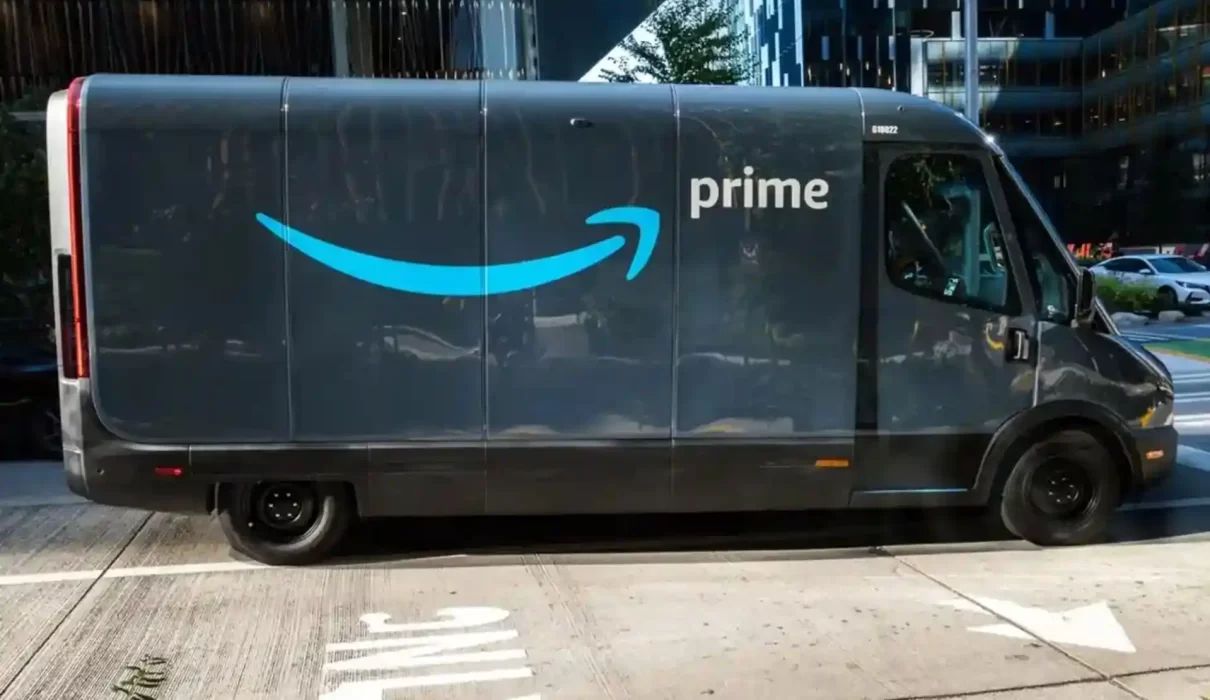
Amazon doesn’t directly employ most of the people delivering its packages. Instead, it contracts with third-party Delivery Service Partners (DSPs) small businesses that hire drivers, own the vans, and manage the daily route operations. Amazon uses this structure to argue it has no responsibility when one of those drivers causes a crash.
Courts aren’t buying it.
The reason is simple: Amazon controls almost every detail of how those drivers work. Through its proprietary app, Amazon sets the delivery route, determines the sequence of every stop, monitors driver speed, and tracks how many packages are delivered per hour. Drivers are required to maintain specific completion rates. The Amazon Mentor app monitors phone use, hard braking, and seatbelt compliance sometimes in real time.
That level of oversight has convinced multiple juries that the DSP model is, legally speaking, an employment relationship in everything but name. When a company tells you where to go, how fast to get there, and penalizes you for falling behind it’s exercising the kind of control that creates employer liability.
The legal theory used in most Amazon delivery accident claims is called respondeat superior or agency liability. It holds an employer responsible for harm caused by workers acting within the scope of their job duties. In the landmark 2024 Georgia verdict (Bradfield v. Amazon Logistics), the jury applied exactly this theory finding Amazon 85% at fault for a crash caused by an under-trained DSP driver.
Notable Amazon Accident Lawsuits and Settlements
Real verdicts show what these cases are worth and how courts reason through Amazon’s liability arguments:
| Year | Amount | State | Key Factor |
| 2021 (settled 2023) | $44.6 Million | South Carolina | Amazon held liable as principal; $30M in punitive damages for gross negligence |
| 2024 | $16.2 Million | Georgia | Amazon found 85% at fault for DSP driver’s failure to yield; inadequate training |
| Filed 2024 | $8 Million Sought | New Jersey (Federal) | Delivery quota pressure cited; driver parked on sidewalk, causing severe injuries |
The New Jersey case is particularly relevant to quota-driven negligence claims. The plaintiff, Mark Harrison, alleged that Amazon requires drivers to deliver as many as 250 packages in an eight-hour shift under two minutes per stop. That pressure, the lawsuit argues, creates systemic recklessness that constitutes gross negligence and warrants punitive damages beyond standard compensation.
Attorneys report that Amazon settled more cases quietly before trial in 2025 and 2026 likely a strategic response to the size of recent jury awards. If your case goes to trial, the data suggests verdicts can substantially exceed initial offers.
Who Can Be Named in an Amazon Delivery Accident Claim
One advantage of Amazon delivery injury lawsuits is that multiple parties can share liability, which means more potential sources of compensation:
- Amazon Logistics / Amazon.com As the entity that controls routing, metrics, and driver monitoring, Amazon can be held liable even if it doesn’t directly employ the driver.
- The Delivery Service Partner (DSP) The small business that hired the driver is typically a named defendant and carries required commercial auto insurance of at least $1 million.
- The individual driver The person behind the wheel can also be sued directly, though their personal assets are often limited.
- Vehicle owner If a driver used a personal vehicle for Amazon Flex deliveries, additional insurance claims may be possible.
The interplay between these parties matters for insurance purposes. Under Amazon’s commercial auto policy, coverage applies when the driver is actively delivering packages. Coverage gaps can arise during transit to a pickup station or between delivery blocks something that has prompted legislative responses in states like Kentucky, which passed new gig delivery insurance requirements effective January 2025.
What Damages Can You Recover in an Amazon Accident Claim
Compensation in Amazon delivery accident lawsuits typically falls into two categories:
Economic Damages
- Emergency medical treatment, surgery, and hospitalization
- Ongoing physical therapy and rehabilitation
- Lost wages from time missed at work
- Reduced earning capacity if your injuries affect your long-term ability to work
- Vehicle repair or replacement costs
- Future medical expenses for continuing care
Non-Economic Damages
- Pain and suffering physical and psychological
- Emotional distress and anxiety
- Loss of enjoyment of life
- Loss of consortium (impact on family relationships)
In cases involving reckless conduct such as a driver speeding to meet a quota or Amazon ignoring known safety problems courts may also award punitive damages. The South Carolina $44.6 million verdict included $30 million in punitive damages alone.
What Evidence Matters Most in Amazon Delivery Accident Lawsuits
These cases live or die on documentation. Amazon and its DSP partners have access to data that most plaintiffs don’t even know exists and they have every incentive to delete it. Evidence that can be critical includes:
- In-van camera footage (Amazon vans are equipped with recording systems)
- GPS route data and delivery stop logs from the Amazon app
- Driver safety scores from the Amazon Mentor monitoring app
- DSP contract terms showing Amazon’s level of operational control
- Driver training records and background check documentation
- Phone records showing distracted driving
- Police accident report and scene photographs
- Your medical records from the date of injury onward
A formal legal preservation demand sent to Amazon within 48 to 72 hours of the accident is essential. Without it, video footage gets overwritten, app logs expire, and route data disappears. This is one of the strongest reasons to contact an attorney quickly, not weeks later.
Steps to Take After an Amazon Delivery Accident
What you do immediately after a crash can significantly affect the value of your Amazon accident claim:
- Get medical care immediately even if injuries seem minor. Internal injuries and soft tissue damage often worsen over 24–72 hours.
- Document the scene photograph the Amazon van, its signage, your vehicle, any visible injuries, and the surrounding road conditions.
- Record the driver’s information name, license, and the name of the DSP company printed on the van or uniform.
- File a police report a formal report creates an official record that is difficult to dispute later.
- Do not speak to Amazon’s insurance adjuster before consulting an attorney early settlement offers are almost always far below actual case value.
- Contact a personal injury attorney experienced in Amazon accident claims ideally within days, so a preservation letter can go out immediately.
Amazon’s Insurance Coverage and Your Claim
Amazon requires every DSP to carry a minimum of $1 million in commercial auto liability coverage. Amazon maintains its own excess policies above that threshold for severe injuries. This means unlike accidents with uninsured individual drivers there is real insurance money available to pay your claim.
The practical challenge is determining which policy applies. Amazon’s commercial coverage kicks in when the driver has packages and is actively completing deliveries. Coverage disputes can arise during transit to a distribution center or between stops. These disputes can delay your settlement by months while two insurance companies argue over who pays first.
An attorney who handles Amazon delivery accident lawsuits regularly will know how to force the issue and prevent the coverage gap from being used as a delay tactic against you.
Frequently Asked Questions About Amazon Delivery Accident Lawsuits
Can I sue Amazon directly if one of its drivers hit me?
Yes. Multiple courts have held Amazon directly liable even when the driver technically worked for a DSP partner. The key legal question is how much control Amazon exercised over the driver’s daily operations and in most cases, that control is substantial. The 2024 Georgia verdict established a strong precedent for holding Amazon liable as a secondary employer.
What is the average settlement for an Amazon delivery accident claim?
There is no single average, as case values vary widely based on injury severity, liability evidence, and jurisdiction. Reported verdicts range from several hundred thousand dollars for moderate injuries to $16 million or more for catastrophic harm. Cases involving punitive damages such as the $44.6 million South Carolina verdict can be substantially higher. Your attorney can provide a realistic range after reviewing your specific facts.
How long do I have to file an Amazon accident lawsuit?
Each state sets its own statute of limitations for personal injury claims, typically ranging from one to three years from the date of the accident. However, preserving evidence (especially digital data from Amazon’s systems) is time-sensitive from day one. Waiting even a few weeks can result in critical footage and GPS records being overwritten or deleted permanently.
Does Amazon’s independent contractor defense protect it from liability?
Increasingly, no. Courts across the country are rejecting the argument that DSP drivers are independent contractors insulated from Amazon’s liability. When Amazon controls a worker’s route, pace, monitoring, and performance metrics, most courts treat that as an employment relationship for liability purposes regardless of what the contract says.
What if the Amazon driver was using their personal vehicle?
Amazon Flex drivers who deliver packages using their own cars rather than Amazon vans present a slightly different insurance situation. Amazon’s commercial policy only covers active delivery periods. During other phases, coverage disputes may arise between the driver’s personal insurer and Amazon’s commercial carrier. States like Kentucky have passed laws specifically addressing this gap to protect accident victims.