 By
By Officials worry undisclosed audio from one of the country’s most secure rooms could surface in a new book on the Trump White House, raising fresh legal and security questions inside the administration.
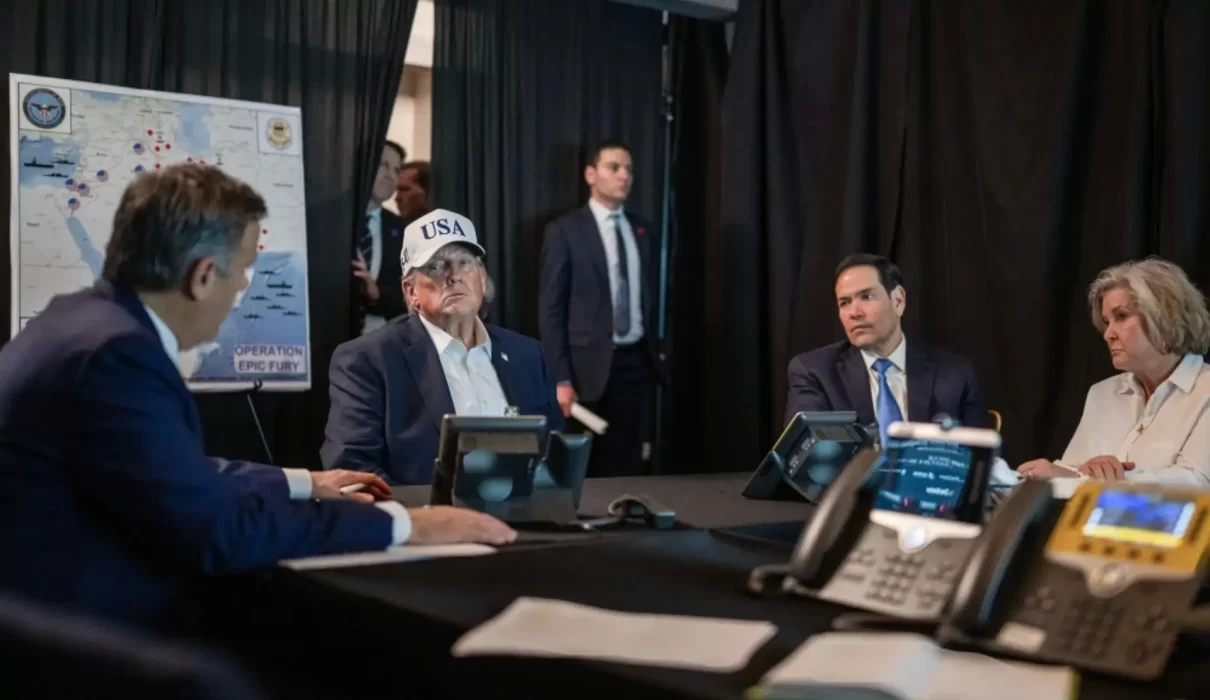
Senior aides to President Donald Trump are concerned that confidential discussions held inside the White House Situation Room, including conversations about the Jeffrey Epstein files, may have been secretly recorded and shared with reporters working on a forthcoming book about the administration, according to a report from Axios.
The concern centers on Regime Change, a book by New York Times journalists Jonathan Swan and Maggie Haberman set for release on June 23 through Simon & Schuster. According to Axios, the authors conducted more than 1,000 interviews while reporting on Trump’s second term, and excerpts published ahead of the book’s release included detailed, near verbatim accounts of meetings held in the Situation Room.
“We’re afraid some of our most sensitive conversations were being recorded,” an administration source told Axios. “And we have no idea which ones.”
What the Excerpts Reportedly Describe
Among the passages drawing the most attention inside the West Wing is an account of officials debating how to handle the Epstein files, a subject Trump has tried to keep at arm’s length given his past social ties to the late financier and convicted sex offender. According to the reporting, Vice President JD Vance called the files “a huge problem” during one Situation Room discussion and pushed for their release, while White House communications director Steven Cheung described the prospect of a pardon for Ghislaine Maxwell, Epstein’s convicted associate, as a “huge P.R. problem.”
A separate excerpt tied to the Iran conflict reportedly quotes Secretary of State Marco Rubio dismissing an Israeli regime-change scenario in blunt terms. Notably, the White House has not disputed the accuracy of the dialogue attributed to officials in either excerpt, a detail several outlets have flagged as significant given how specific the quoted exchanges are.
Why a Recording Would Be a Serious Breach
The Situation Room is among the most tightly controlled spaces in the federal government, built for handling classified national security deliberations. Personal recording devices are prohibited there, and unauthorized recordings would represent a substantial breach of protocol regardless of who carried them out or why.
That backdrop is part of why the story has legal as well as political weight. If a recording device was used without authorization, it could implicate statutes governing the handling of classified national security information and the security protocols that protect Situation Room communications, separate from any debate over the newsworthiness of what was said.
This is not the first time the administration’s handling of sensitive Situation Room-adjacent material has drawn scrutiny. In March of last year, senior officials mistakenly included journalist Jeffrey Goldberg in a group text chain discussing military planning, exposing sensitive details not through a leak from reporters but through an internal mistake.
The Administration’s Broader Leak Crackdown
News of the suspected recordings lands amid a months-long effort by the administration to identify and punish the sources of unauthorized disclosures to the press. Trump has previously raised the prospect of treason charges over leaks related to the Iran conflict and, according to multiple reports, personally handed acting Attorney General Todd Blanche a stack of news articles with a sticky note reading “Treason” written in marker.
That episode preceded a wave of grand jury subpoenas issued to reporters and news organizations, including The Wall Street Journal, tied to coverage of military planning ahead of the Iran operation. Blanche has publicly defended the practice of subpoenaing journalists when classified information is involved, telling reporters in May that the Justice Department would pursue such steps when warranted.
Media organizations and press freedom advocates have pushed back, arguing the subpoenas blur the line between investigating government leakers and pressuring the journalists who receive newsworthy information, a distinction with First Amendment implications that legal observers are likely to continue watching closely as the Epstein-related reporting adds a new front to the dispute.
What Happens Next
With Regime Change scheduled for release on June 23, additional excerpts are expected to surface in the coming days, and the administration has given no public indication of how, or whether, it intends to investigate the suspected recordings. Axios reported that officials still do not know which specific conversations may have been captured, leaving open the possibility that further sensitive material could emerge once the full book is published.
For now, the episode underscores a recurring theme of Trump’s second term: an administration publicly preoccupied with controlling leaks even as it grapples with recurring breaches of its own most secure communications.
Frequently Asked Questions
What are the Situation Room tapes Trump’s team is worried about?
They are unconfirmed audio recordings that administration officials believe may have captured Situation Room meetings, including discussions about the Epstein files, and which they fear were obtained by New York Times reporters Jonathan Swan and Maggie Haberman for their book Regime Change.
Is it illegal to record conversations in the White House Situation Room?
Independent recording devices are prohibited in the Situation Room because of the classified nature of discussions held there. An unauthorized recording would be a significant breach of security protocol, though no individual has been publicly charged in connection with this matter as of this report.
What does this have to do with the Epstein files controversy?
One of the leaked excerpts reportedly describes a Situation Room meeting where officials, including Vice President JD Vance, discussed how to handle pressure to release additional Epstein-related files and the political risk of a potential pardon for Ghislaine Maxwell.
Has the Trump administration taken legal action against journalists over leaks?
Yes. Separate from this report, the administration has pursued grand jury subpoenas against reporters and news organizations, including The Wall Street Journal, in connection with coverage of leaks related to the Iran conflict, and acting Attorney General Todd Blanche has defended the practice publicly.

Hazel Isabella
Editor at Attorneys Magazine. Hazel Isabella supervises editorial content concerning the law, legal marketing, attorneys’ perspectives, and other matters pertaining to the industry. She is dedicated to providing quality content and works with legal experts and writers to generate informative pieces about various aspects of the law.