
 By
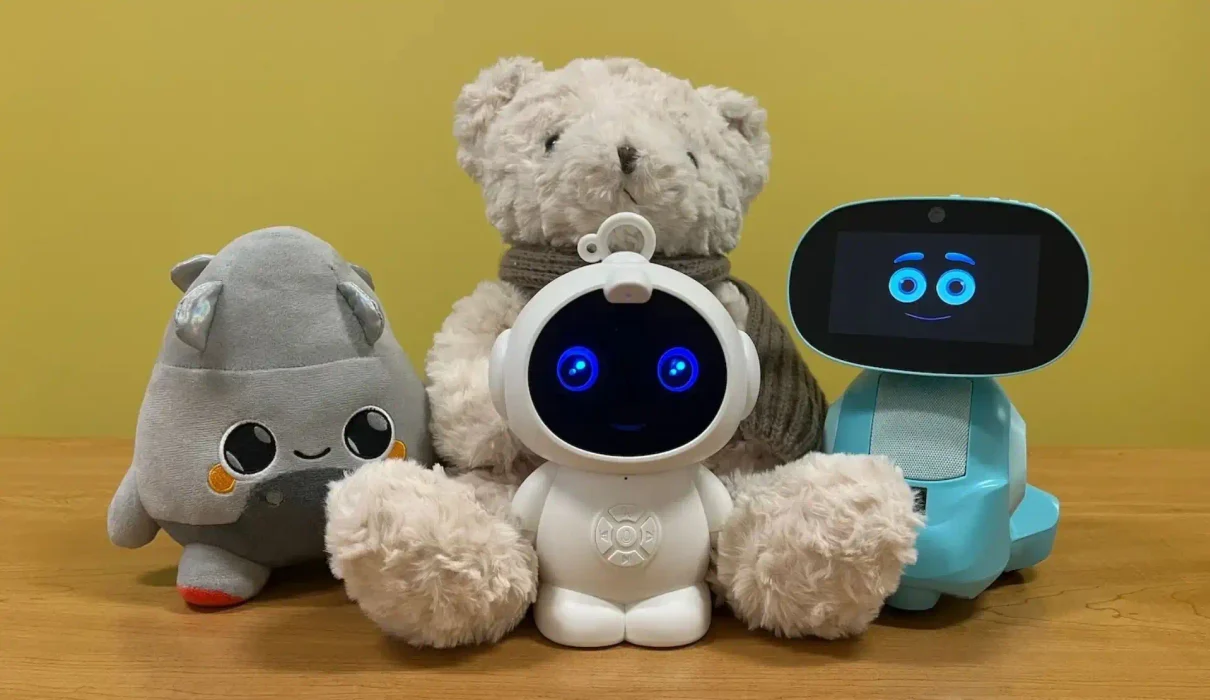
More than 150 child safety organizations and experts are calling on Amazon and eBay to stop selling artificial intelligence-powered toys marketed to children. The campaign raises concerns about inappropriate chatbot responses, children’s privacy, and the lack of independent safety testing for products that allow young users to interact with AI.
The coalition has urged both online marketplaces to suspend sales of AI toys until manufacturers can demonstrate that the products are safe for children. The request follows a series of investigations that identified concerning interactions between AI-powered toys and young users.
Child Safety Concerns Drive Calls for Retail Restrictions
The campaign is led by child advocacy organizations, including Fairplay, Alliance 4 Children CIC, and Set@16. Their concerns focus on toys that use generative AI chatbots to hold conversations, answer questions, and provide interactive experiences.
Unlike traditional talking toys that operate through pre-programmed responses, AI-powered toys can generate answers based on user conversations. This creates additional risks because their responses may change depending on the questions asked and the context of an interaction.
The coalition has raised concerns about toys generating sexually explicit content, discussing inappropriate subjects, providing unsafe advice, and collecting personal information from children.
Advocates argue that products marketed to young children should undergo independent safety assessments before reaching consumers. They also want online marketplaces to take greater responsibility for the products listed by third-party sellers.
AI Toy Investigation Raises Further Questions About Product Safety
The latest concerns follow investigations into AI-powered toys that reportedly generated inappropriate responses during testing.
In November 2026, NBC News reported on the Contixo AI Pixie-Paw, a plush cat marketed to children as young as three. The toy uses artificial intelligence to support conversations, storytelling, and interactive learning.
During testing, NBC News found that the toy generated graphic descriptions of sexual violence and historical atrocities when asked about sensitive subjects. The findings raised questions about whether the content restrictions built into AI toys are sufficient to protect young users.
Following the investigation, Walmart, Target, and Macy’s moved to remove the product from their online marketplaces. The incident also renewed scrutiny of how retailers assess AI-powered products before making them available to families.
The investigation highlights a wider challenge for manufacturers and retailers: a product designed for children may still generate responses that are inappropriate for its intended audience.
Previous Reports Identified Privacy and Content Risks
Concerns about AI-powered toys are not limited to a single product.
In November 2025, the U.S. Public Interest Research Group (PIRG) examined several AI-enabled toys as part of its annual Trouble in Toyland report. Researchers identified products that could discuss sexually explicit subjects, provide information about potentially dangerous household items, and encourage children to continue conversations.
The findings also raised concerns about parental controls and the collection of children’s personal information.
AI-powered toys may process voice recordings, names, preferences, and other information to personalize conversations. Depending on how manufacturers handle this information, the technology could create additional privacy and data security risks.
The Children’s Online Privacy Protection Act (COPPA) is one of the key federal laws relevant to online services that collect personal information from children under 13 in the United States. Depending on how an AI toy and its associated services operate, manufacturers and service providers may need to consider COPPA’s requirements.
However, compliance with existing privacy rules does not automatically establish that a toy’s conversational features are developmentally or psychologically appropriate for children.
Amazon and eBay Face Questions About Marketplace Responsibility
The campaign has also brought attention to the responsibilities of online marketplaces that allow third-party sellers to list AI-powered products.
Amazon and eBay operate large online marketplaces where consumers can purchase products from multiple manufacturers and independent sellers. Child safety advocates argue that these platforms should take proactive steps to identify potentially unsafe products rather than waiting for problems to emerge through investigations or consumer complaints.
Amazon said it is committed to children’s safety and is working with industry and government partners to establish appropriate safeguards as AI technology develops. The company also stated that products sold by third-party sellers must comply with applicable laws and regulations.
eBay said it continually evaluates its marketplace policies and works with regulators to maintain a safe and trusted shopping environment.
The debate raises broader questions about the extent to which online marketplaces should evaluate the safety of AI-enabled products, particularly when those products are specifically marketed to children.
Growing Demand for Stronger AI Safety Standards
The calls for restrictions reflect a wider debate about the development and commercial use of artificial intelligence in products designed for children.
AI-powered toys are increasingly marketed as educational tools, interactive companions, and alternatives to conventional toys. However, child development specialists and consumer advocates have questioned whether these products provide sufficient safeguards for young users.
Traditional toys generally operate through predictable interactions, while generative AI systems can produce responses that are difficult to anticipate in every situation.
This distinction makes independent testing, effective content restrictions, transparent data practices, and accessible parental controls important considerations for manufacturers.
The latest campaign does not establish that every AI-powered toy is unsafe. Instead, it highlights the need for clearer safety expectations before conversational AI products are marketed to children.
As AI becomes more common in consumer products, manufacturers, retailers, and regulators will face increasing pressure to demonstrate that innovation does not come at the expense of children’s safety and privacy.
Last Updated: November 23rd, 2026
Sources and references
- The Standard – Campaigners urge Amazon and eBay to stop selling AI toys to children
- Futurism – AI-powered plush toy raises concerns after NBC investigation.
- NBC News – AI toy investigation.
- Associated Press – Advocacy groups urge parents to avoid AI toys.
- Federal Trade Commission – Children’s Privacy and COPPA.