
 By
By Driving on Arizona’s highways should be a straightforward experience. Wide lanes, clear skies, open roads. Yet every year, thousands of drivers end up in sideswipe crashes caused by careless lane changes, distracted drivers, and poor merging decisions. These accidents are often brushed off as minor: a scraped bumper, a cracked mirror. In reality, they can flip vehicles, send cars into barriers, and leave drivers with injuries that take months or years to recover from.
If you or someone you know has been hurt in a sideswipe accident on an Arizona highway, understanding how these crashes work and what your legal options are can make a real difference in what happens next.
What Makes Sideswipe Crashes So Common on Arizona Roads
Arizona has some of the busiest highway corridors in the Southwest. Interstate 10, I-17, and Loop 101 all see heavy commuter and commercial traffic daily. With that volume comes a lot of lane changing and a lot of room for error. Drivers merge too fast, fail to check blind spots, drift between lanes while distracted, or misjudge the speed of vehicles in adjacent lanes.
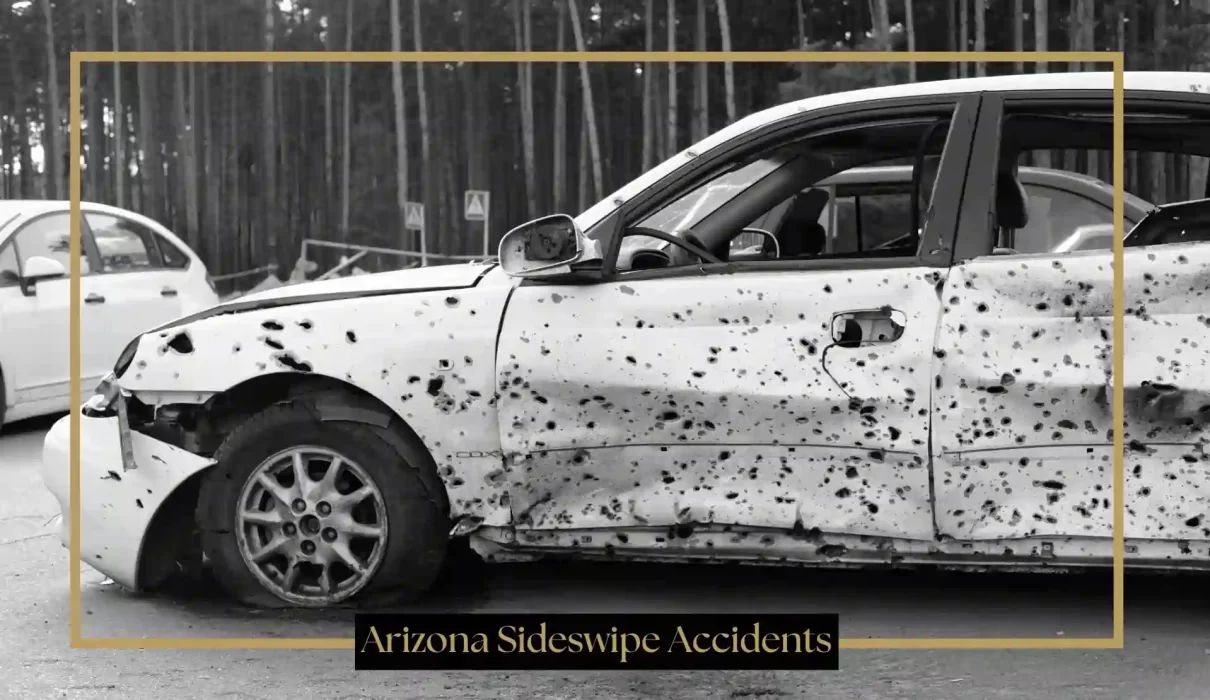
Sideswipe accidents occur when two vehicles traveling in the same direction collide along their sides. This usually occurs during lane changes, merges, or when a driver drifts out of their lane without noticing. On high-speed highways, even a brief loss of control during the initial contact can lead to a secondary crash that is far more serious than the sideswipe itself.
Truck traffic adds another layer of risk. Semi-trucks have large blind spots on both sides, and drivers sharing lanes with them are especially vulnerable. A truck drifting even slightly into an adjacent lane can force a passenger vehicle off the road or into a guardrail at highway speed.
Who Pays After a Lane-Change Accident in Arizona
Arizona follows a pure comparative fault system, which means fault is divided between the parties involved. If you were partially responsible for the crash, your compensation gets reduced by your percentage of fault. This makes it important to work with an experienced accident lawyer who can investigate the crash properly and build a strong case on your behalf.
Liability in sideswipe crashes often falls on the driver who initiated the lane change without checking their mirrors or signals. However, other factors like a poorly marked lane, road construction, or a distracted truck driver can shift or share responsibility. Evidence gathering: dashcam footage, police reports, witness accounts, and vehicle damage analysis play a huge role in determining who was actually at fault.
| Arizona Law Tip: Under Arizona Revised Statutes § 28-729, a driver must not move from a lane until it can be done with reasonable safety. Violating this rule is often the key factor in establishing fault after a sideswipe crash. |
Injuries That Tend to Show Up After Sideswipe Crashes
Sideswipe accidents at highway speeds can cause serious harm even when the vehicles do not fully collide head-on. Whiplash is one of the most common outcomes, along with shoulder injuries and lower back strain from the sudden lateral force. In cases where a vehicle spins out or hits a barrier, head trauma and broken bones become much more likely. Although this topic is unrelated to a lemon law claim, both situations rely on careful documentation to support a legal case.
One of the tricky things about sideswipe injuries is that some of them do not show up right away. Adrenaline after a crash can mask pain. Internal bruising, soft tissue damage, and even mild traumatic brain injuries may not become obvious until hours or days after the accident. This is why getting a thorough medical evaluation immediately after any highway crash is so important.
Medical documentation is also critical for any injury claim. If you delay treatment, insurance companies may argue that your injuries were not serious or were caused by something else entirely. A paper trail that connects your injuries directly to the crash will protect your claim and give you a much stronger position when negotiating a settlement. While a lemon law claim typically involves defects in a purchased vehicle rather than a collision, accurate records remain valuable in both types of legal matters.
Steps to Take Right After a Sideswipe Collision
If you are involved in a sideswipe accident on an Arizona highway, safety comes first. Move to the shoulder if possible and turn on your hazard lights. Call 911 so police can document the scene. Take photos of both vehicles, the road, lane markings, and any skid marks. Collect contact and insurance information from the other driver and obtain statements from any nearby witnesses.
Do not make statements at the scene about fault or apologize, even out of politeness. Anything you say can be used against your claim later. Instead, focus on gathering information and getting medical attention, even if you feel fine. Once you have been checked out medically, consulting with a legal professional can help you figure out your options before the insurance process begins.
How Sideswipe Claims Turn Into Serious Injury Cases
Not every sideswipe results in a minor scrape. A significant number of these crashes trigger rollover accidents, multi-vehicle pileups, and collisions with fixed objects at highway speeds. When that happens, injuries can be severe and long-lasting, and the financial impact: medical bills, lost income, and long-term care can be overwhelming.
Serious injury claims require thorough documentation, expert analysis, and a clear understanding of Arizona’s fault rules. Insurance companies will move quickly to close claims and minimize payouts. Having someone in your corner who knows how to handle that process can mean the difference between a low settlement offer and fair compensation that actually covers your losses.
Stay Protected on Arizona Highways
Sideswipe accidents are easy to dismiss as fender-benders, but the reality is that they can change lives in an instant. Arizona’s high-speed highway network means these crashes carry real danger, and the injuries that follow deserve serious attention. Whether you are still at the scene or already dealing with the aftermath, knowing your rights and getting the right help early can protect your health and your future.

Adam Fermin
Chief Editor of Attorneys Magazine. Adam oversees the selection and verification of legal, marketing, and technology content. He focuses on distilling complex industry updates into actionable intelligence, ensuring every editorial piece meets the highest standards of professional relevance.