 By
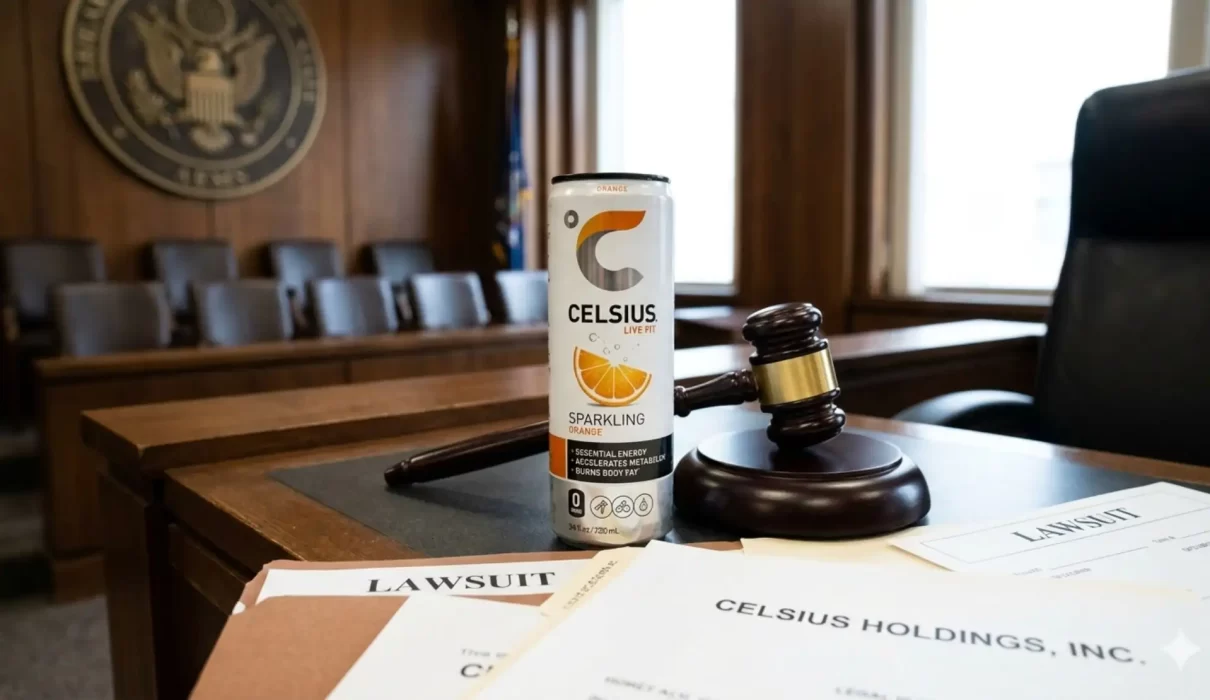
By There is no cancer lawsuit against Celsius Holdings as of mid-2026. There is no active class action alleging Celsius causes cancer, and no settlement, payout, or MDL exists for cancer claims. The real, confirmed Celsius lawsuit is a $7.8 million false-advertising settlement (Hezi v. Celsius Holdings) over “no preservatives” labeling, approved April 5, 2023. That claims window is closed. A separate, still-active case (Starks v. Celsius Holdings, filed January 26, 2024) alleges Celsius marketed its drinks with unapproved drug-like weight-loss and metabolism claims. A 2025 recall involving High Noon/Celsius-branded alcoholic beverages is active, but no lawsuit has been filed over it as of mid-2026.
Is There a Celsius Lawsuit Right Now? The Short Answer
Yes, but “the Celsius lawsuit” is not one single case. It’s a cluster of separate legal matters against Celsius Holdings Inc. (NASDAQ: CELH), the Florida-based maker of Celsius energy drinks. Some of these are closed, some are still moving through federal court, and one widely-searched version a “cancer lawsuit” does not exist in any verifiable court record. Below is the complete, current status of every real Celsius legal matter, followed by a direct answer on the cancer-lawsuit question and what consumers who believe they were harmed can actually do.
Celsius Lawsuit Timeline: Every Case at a Glance
| Case | Filed | Status (Mid-2026) | Core Allegation |
| Hezi v. Celsius Holdings, Inc. | 2022 | Closed — $7.8M settlement approved April 5, 2023 | False “no preservatives” labeling (citric acid) |
| McCallion v. Celsius Holdings | 2022 | Settled mid-2023 (terms not fully public) | Investor/securities claims |
| Starks v. Celsius Holdings, Inc. | Jan. 26, 2024 | Ongoing — litigation phase | Unapproved “drug” claims via metabolism/fat-burning marketing |
| High Noon / Celsius alcohol recall | 2025 | Active recall; no lawsuit filed as of mid-2026 | Mislabeled alcoholic beverages mixed into non-alcoholic distribution |
| “Celsius cancer lawsuit” | N/A | Does not exist as a certified case | No verified claim on record |
The $7.8 Million Celsius Class Action Settlement (Hezi v. Celsius Holdings)
The only fully resolved, court-confirmed Celsius class action settlement to date is Hezi et al. v. Celsius Holdings, Inc., filed in the U.S. District Court for the Southern District of New York. The lawsuit alleged that Celsius marketed its beverages as containing “no preservatives” despite the products containing citric acid, which plaintiffs argued functions as a preservative and misled health-conscious buyers into paying a premium.
- Settlement amount: $7.8 million
- Final approval: April 5, 2023, by Judge Jennifer H. Rearden (SDNY)
- Payout structure: $1 per can and $5 per 14-count powdered drink package purchased
- Eligible purchase window: January 1, 2015 – November 23, 2022
- Products covered: Celsius Live Fit, Celsius Heat, Celsius BCAA+Energy, Celsius with Stevia, Celsius On-The-Go powders, and Flo Fusion powders
- Current status: Claims period is closed. Celsius admitted no wrongdoing.
If you’re searching for “celsius lawsuit settlement” or “how much is the celsius lawsuit payout,” this is the case being referenced. It is fully closed — there is no live claim to file under Hezi today.
| Related Readings In Attorneys Magazine Chime Lawsuit Generational Equity Lawsuit Intoxalock Lawsuit |
Starks v. Celsius Holdings: The Case Still Active in 2026
Filed January 26, 2024, Starks v. Celsius Holdings, Inc. is the Celsius case most likely to still generate news, filings, or a future settlement through 2026. The complaint alleges that Celsius’s marketing emphasizing metabolism-boosting, fat-burning, calorie-burning, and appetite-suppressing effects caused the beverage to function, under the plaintiff’s legal theory, as an unapproved drug rather than a conventional food or supplement under federal and California law. This is a labeling and consumer-protection theory; it is not an allegation that the product is carcinogenic or medically dangerous, and no FDA finding has classified Celsius as a drug.
Status: Ongoing, in the litigation phase, as of the most recent available court reporting. No settlement or certified class has been announced. Anyone monitoring “celsius lawsuit 2026” updates should watch this docket.
Is There a Celsius Drink Cancer Lawsuit? (Direct Answer)
| No. As of mid-2026, there is no certified class action, multi-district litigation (MDL), or individual lawsuit on public record alleging that Celsius energy drinks cause cancer. There is no cancer-specific settlement fund, payout tier, or claims deadline connected to Celsius. Pages describing a Celsius “cancer lawsuit” with settlement tiers or PFAS/benzene contamination claims are not reflecting any verifiable litigation — treat payout figures on those pages with caution. |
The search interest behind “celsius cancer lawsuit” and “celsius drink cancer lawsuit” appears to come from three overlapping sources rather than an actual case: general consumer concern about high-caffeine energy drinks, unrelated industry news about contaminants (like benzene or PFAS) in other beverage categories, and content pages that repurpose the Celsius brand name to capture that search traffic. The 2024 Starks lawsuit does allege unsubstantiated health and metabolism claims, but the complaint does not allege the product causes cancer or any specific disease.
Some consumers have separately reported heart palpitations, elevated blood pressure, or rapid heartbeat after drinking Celsius, which they attribute to its high caffeine content combined with stimulant ingredients like guarana and green tea extract. As of 2026, no court has issued a ruling connecting Celsius to heart damage, and this has not developed into a certified class action.
Florida Celsius Lawsuit: Why the Company’s Home State Matters
Celsius Holdings Inc. is headquartered in Boca Raton, Florida, which is why “florida celsius lawsuit” is a common search variant. Florida matters for two practical reasons: it is where the company’s principal executive offices and much of its corporate decision-making are based, and it is a likely venue for any future consumer-protection or securities filings tied to the company. That said, the major cases to date Hezi and McCallion were filed in the Southern District of New York, not Florida state court, and the currently active Starks case was filed in California. There is no separate, Florida-specific Celsius class action distinct from these federal cases as of mid-2026; consumers nationwide, including Florida residents, were covered by the same $7.8M settlement class.
The 2025 High Noon / Celsius Alcohol Recall
In 2025, a recall was issued involving High Noon-branded alcoholic beverages that were mistakenly mixed into cases and shipped alongside non-alcoholic Celsius products, raising the risk that consumers including minors, in some retail settings could unknowingly purchase or consume alcohol. As of mid-2026, this remains an active recall matter. No formal lawsuit tied to the recall has been filed on public record, though attorneys have flagged it as a matter to monitor for potential future product-liability or consumer-protection claims.
Celsius Lawsuit Facts & Stats at a Glance
| Fact | Figure |
| Total confirmed settlement value (Hezi case) | $7.8 million |
| Per-can settlement payout | $1.00 |
| Per-14-pack powder payout | $5.00 |
| Purchase window covered | Jan. 1, 2015 – Nov. 23, 2022 |
| Final settlement approval date | April 5, 2023 |
| Federal court | S.D.N.Y. |
| Active FDA-misbranding case filed | Jan. 26, 2024 (Starks) |
| Confirmed cancer lawsuits against Celsius | 0 |
| Confirmed cancer-related settlements | 0 |
What Are Affected Consumers Facing Now?
For people who search “Celsius lawsuit victims” or want to know what happens next, here is the realistic, current picture rather than a speculative one:
- Hezi settlement claimants: The claims window has closed. Consumers who filed on time received their $1/$5 payments; late filers have no current path to compensation under this settlement.
- Starks case (ongoing): No class has been certified and no compensation is currently available. Consumers who believe they were misled by Celsius’s metabolism or fat-burning claims can consult a consumer-protection attorney to be added to a watch list if a class is certified.
- Alleged health-symptom reports (palpitations, elevated heart rate): These have not formed the basis of any certified lawsuit. Anyone experiencing cardiac symptoms after consuming energy drinks should seek medical attention first, and can separately discuss a potential individual product-liability claim with an attorney — this is different from joining an existing class action, because no such class exists yet.
- Alcohol recall (2025): No compensation program exists yet. Consumers who purchased affected products should follow official recall guidance and retain receipts in case a claims process is announced.
Who Should Talk to an Attorney?
You may have grounds to speak with a consumer-protection or product-liability attorney if you purchased Celsius products believing the “no preservatives” claim but filed no claim in the original settlement window, purchased Celsius specifically for its advertised metabolism or fat-burning effects and want to track the Starks litigation, experienced a documented adverse health event you believe is linked to Celsius consumption, or purchased an affected product connected to the 2025 alcohol recall. An attorney can evaluate whether your situation fits an existing case, a future class, or an individual claim and can tell you definitively whether any of the “cancer lawsuit” content circulating online applies to your situation (it currently does not, for anyone, because no such case exists).
Frequently Asked Questions
Is there currently a Celsius energy drink lawsuit?
Yes. The most recent active case is Starks v. Celsius Holdings, filed January 26, 2024, alleging unapproved drug-like marketing claims. The earlier $7.8 million Hezi settlement over “no preservatives” labeling is fully closed.
Is there a Celsius cancer lawsuit in 2026?
No. As of mid-2026, there is no certified lawsuit, class action, or MDL alleging that Celsius drinks cause cancer, and no cancer-related settlement or payout program exists.
How much was the Celsius lawsuit settlement?
The confirmed Celsius class action settlement (Hezi v. Celsius Holdings) totaled $7.8 million, with payouts of $1 per can and $5 per 14-pack of powdered drinks. Final court approval came April 5, 2023, and the claims period is now closed.
Can I still file a claim in the Celsius settlement?
No. The claims window for the $7.8 million Hezi settlement is closed. If a new class is certified in the ongoing Starks case, a new claims process would open separately.
Is there a Florida-specific Celsius lawsuit?
No separate Florida-only class action exists. Celsius Holdings is headquartered in Boca Raton, Florida, but the major cases were filed in New York (Hezi, McCallion) and California (Starks); Florida residents were included in the nationwide settlement class.
Does Celsius cause heart problems?
Some consumers have reported heart palpitations or elevated blood pressure after drinking Celsius, which may relate to its high caffeine and stimulant content. No court has ruled that Celsius causes heart damage, and no certified lawsuit currently covers this claim.
What should I do if I think I was harmed by Celsius?
Seek medical attention for any health symptoms first. Then consult a consumer-protection or product-liability attorney to evaluate whether your situation fits the ongoing Starks litigation, a future class action, or an individual claim.
Last Update: 07/04/2026

Adam Fermin
Chief Editor of Attorneys Magazine. Adam oversees the selection and verification of legal, marketing, and technology content. He focuses on distilling complex industry updates into actionable intelligence, ensuring every editorial piece meets the highest standards of professional relevance.
Disclaimer: This article is for informational purposes only and does not constitute legal advice. If you believe you have a legal claim, consult a licensed attorney in your jurisdiction. AttorneysMag.com is not a law firm and does not represent any party in the matters described above.