
 By
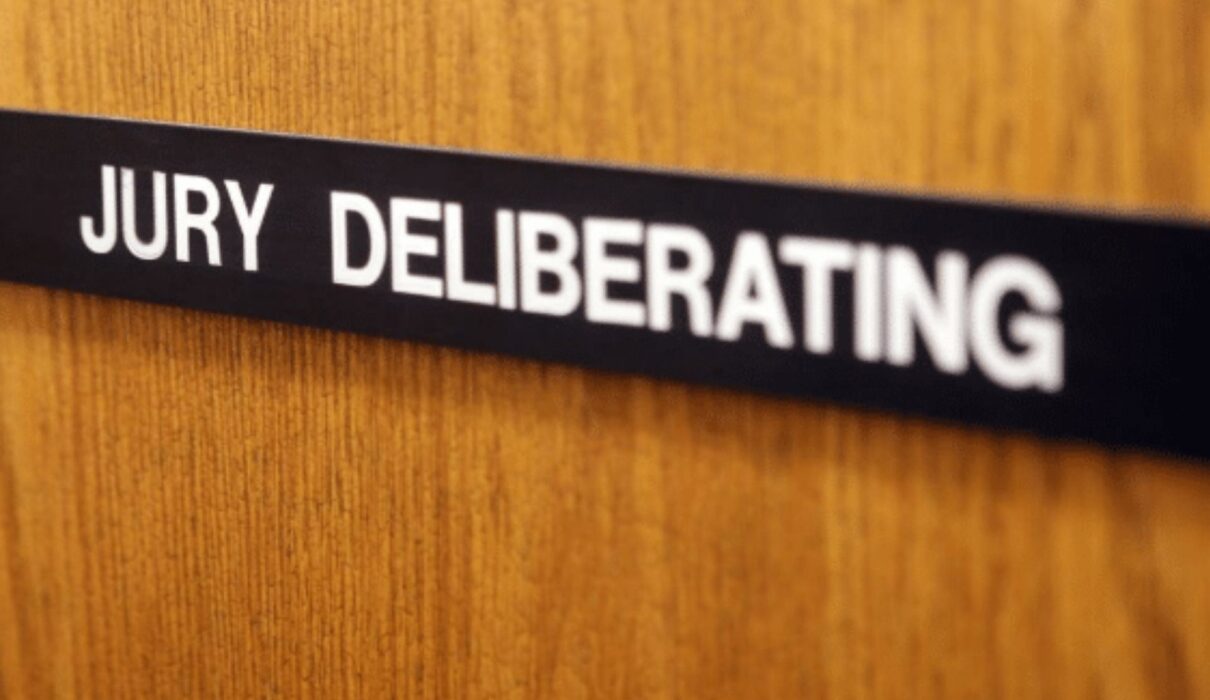
By Jury deliberations are one of the most critical and often mysterious stages of a trial. After weeks or sometimes months of testimony, evidence, and legal arguments, the responsibility shifts from the courtroom to a private room where jurors must decide the outcome of a case. While much of this process happens behind closed doors, understanding how jury deliberations work can provide valuable insight into how verdicts are reached.
What Are Jury Deliberations?
Jury deliberations begin after the judge provides final instructions and the attorneys deliver their closing arguments. At this stage, jurors are asked to review the evidence presented during the trial and apply the law as explained by the judge.
Key Aspects of Deliberations
- Jurors must consider only the evidence presented in court
- Personal biases or outside information are not allowed
- The decision must follow the legal standards explained by the judge
- Discussions take place privately, without external influence
This process ensures that the verdict is based solely on facts and law.
The First Steps Inside the Jury Room
Once jurors enter the deliberation room, they typically begin by organizing themselves and discussing how they will proceed.
Initial Actions
- Selecting a foreperson to lead discussions
- Reviewing jury instructions provided by the judge
- Deciding how to approach the discussion (e.g., initial vote or open discussion)
- Identifying key issues in the case
The foreperson plays an important role in keeping the conversation focused and ensuring that every juror has an opportunity to speak.
How Jurors Evaluate Evidence
A major part of deliberations involves carefully reviewing the evidence presented during the trial.
What Jurors Consider
- Witness testimony and credibility
- Physical evidence such as documents or exhibits
- Expert opinions and reports
- Consistency between different pieces of evidence
Jurors may revisit notes they took during the trial and discuss how each piece of evidence supports or challenges the case.
The Role of Discussion and Debate
Deliberations are not always quick or straightforward. Jurors often have different perspectives, which can lead to detailed discussions and debates.
How Discussions Typically Unfold
- Jurors share their individual opinions
- They question and challenge each other’s interpretations
- They revisit key facts and legal instructions
- They attempt to resolve disagreements through reasoning
Healthy debate is encouraged, as it helps ensure that all viewpoints are considered before reaching a decision.
Voting and Reaching a Verdict
After thorough discussion, jurors move toward a decision. The voting process depends on the type of case and jurisdiction.
Voting Process
- Initial votes may be taken to gauge opinions
- Multiple rounds of voting may occur
- Some cases require a unanimous decision
- Others may allow a majority verdict
If jurors cannot agree, the result may be a hung jury, which can lead to a retrial.
Challenges During Deliberations
Jury deliberations can be complex and sometimes stressful. Jurors must balance their personal views with the legal standards they are required to follow.
Common Challenges
- Strong disagreements among jurors
- Difficulty understanding complex evidence
- Emotional reactions to sensitive cases
- Pressure to reach a unanimous decision
Despite these challenges, jurors are expected to remain fair, impartial, and focused on the facts.
Confidentiality of the Process
One of the defining features of jury deliberations is confidentiality. Discussions inside the jury room are private and protected.
Why Confidentiality Matters
- Encourages honest and open discussion
- Protects jurors from outside influence
- Preserves the integrity of the legal process
- Ensures fairness in decision-making
This secrecy is essential to maintaining trust in the justice system.
Key Takeaways
- Jury deliberations are a private process where jurors evaluate evidence and reach a verdict.
- Jurors must follow the law and consider only the information presented during the trial.
- Discussion and debate are essential parts of the decision-making process.
- Voting procedures vary, but some cases require unanimous agreement.
- Confidentiality ensures fairness and protects the integrity of the legal system.
