
 By
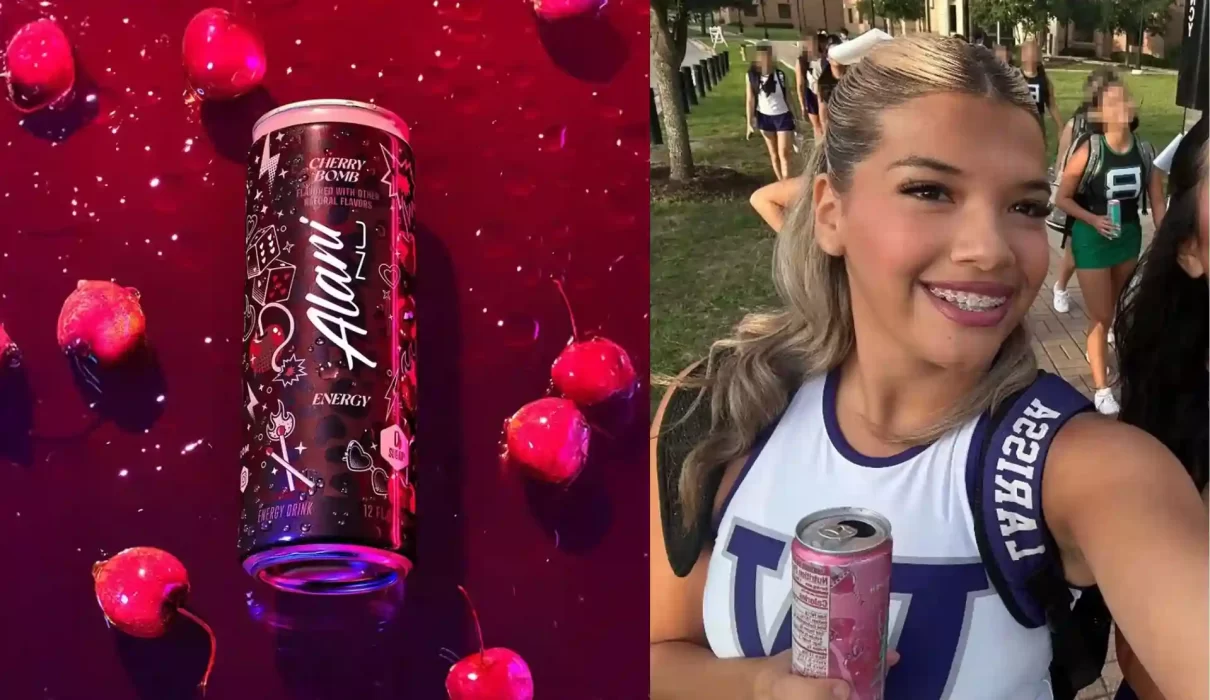
By The tragic death of 17-year-old Larissa Nicole Rodriguez has sparked a significant wrongful death lawsuit against regional distributors of Alani Nu energy drinks. Following her death from cardiomyopathy in October 2025, her family alleges that the brand’s high caffeine content—hidden behind “wellness” marketing—directly contributed to her fatal heart condition. This article examines the core legal arguments, the specific dangers of cumulative caffeine intake in adolescents, and the broader implications for energy drink safety and corporate accountability.
A wrongful death lawsuit filed in April 2026 has thrust the popular Alani Nu energy drink brand into the center of a national conversation about consumer safety, youth-targeted marketing, and caffeine regulation. The case centers on the October 2025 death of Larissa Nicole Rodriguez, a 17-year-old cheerleader and honors student from Weslaco, Texas, whose family alleges that daily consumption of Alani Nu energy drinks caused fatal cardiomyopathy.
The lawsuit is one of the most high-profile energy drink lawsuits since the Monster Energy drink litigation of the previous decade. It raises urgent questions not only for grieving families, but for attorneys, health professionals, regulators, and the $21 billion global energy drink industry.
1. Who Is Larissa Nicole Rodriguez?
Larissa Nicole Rodriguez was a 17-year-old senior at Weslaco High School in Weslaco, Texas — a city in Hidalgo County in the Rio Grande Valley. She was by every account a remarkable young woman whose future appeared limitless.
According to her family and attorneys, Larissa was:
- Co-captain of the varsity cheerleading squad (the ‘Alani lawsuit cheerleader’ as she has become known online)
- A competitive tennis player
- Student council president of her high school
- A member of the National Honor Society
- An honors student who had been accepted into approximately 20 universities
- The winner of the Junior Miss Weslaco title in 2022 and Miss Texas Onion Fest in 2024
- An aspiring law student with plans to attend the University of Texas at Austin
Her family’s attorney, Houston-based lawyer Benny Agosto Jr. of Abraham, Watkins, Nichols, Agosto, Aziz & Stogner, described her at a press conference on April 8–9, 2026, as an ‘active, beautiful, cheerful, sports-loving, tennis player, cheerleader, full of life, full of love, smart, academic and with a bright future.’ Her parents’ only daughter, Larissa had no known pre-existing health conditions or cardiac problems prior to her death.
Larissa Nicole Rodriguez died on October 20, 2025. The Hidalgo County Medical Examiner determined her cause of death was cardiomyopathy — a disease of the heart muscle that impairs the heart’s ability to pump blood efficiently — caused by excessive caffeine consumption. Toxicology results reportedly found no other substances in her system.
2. What Is the Alani Energy Drink Lawsuit?
The Alani energy drink lawsuit is a wrongful death civil action filed on April 8, 2026 in Hidalgo County District Court in Texas. The lawsuit was brought by Larissa Rodriguez’s family against the distributors of Alani Nu energy drinks, alleging the product’s excessive caffeine and inadequate warnings contributed directly to their daughter’s death.
This is not currently a class action lawsuit (more on the Alani Nu class action lawsuit context below). It is an individual wrongful death case seeking more than $1 million in damages.
Who Sued the Alani Energy Drink Brand?
The Rodriguez family — Larissa’s parents — filed the lawsuit through their legal team at Abraham, Watkins, Nichols, Agosto, Aziz & Stogner, one of Texas’s prominent personal injury firms. Attorney Benny Agosto Jr. is leading the litigation.
The defendants named in the lawsuit are:
- Glazer’s Beer and Beverage LLC
- Glazer’s Beer and Beverage of Texas LLC
Glazer’s is a regional beverage distributor that operates in Arkansas, Iowa, Louisiana, Nebraska, Oklahoma, and Texas. According to court documents, it supplied Alani Nu Energy Drinks to an H-E-B grocery store in Hidalgo County where Rodriguez purchased and consumed the beverages.
Notably, Celsius Holdings — the company that acquired Alani Nu in April 2025 for approximately $1.8 billion — is not currently named as a defendant. The family’s legal team chose to begin with the distributor, as Agosto noted they are ‘the ones that receive it, distribute it and put it all over the place, and they also fail to give any warnings.’ Agosto has indicated that additional defendants may be named as the investigation continues.
3. Why Is Alani Energy Drink Getting Sued?
The lawsuit rests on several distinct legal theories and factual allegations. Understanding why Alani Nu is being sued requires examining both the product itself and how it was marketed.
Excessive Caffeine Content
A single 12-ounce can of Alani Nu Energy Drink contains 200 milligrams of caffeine. To put that into context:
- The American Academy of Pediatrics recommends a maximum of 100 mg of caffeine per day for adolescents aged 12 to 17
- One can of Alani Nu delivers double that recommended daily limit for teens in a single serving
- An 8.4-ounce can of Red Bull contains 80 mg of caffeine — less than half of Alani Nu’s amount
- A 17-ounce can of Monster Energy contains 160 mg of caffeine — still 40 mg less than Alani Nu
- A 12-ounce can of Coca-Cola contains just 34 mg of caffeine
- The FDA’s recommended maximum for healthy adults is 400 mg per day
The lawsuit claims that Alani Nu drinks contain twice the maximum daily amount of caffeine recommended for teenagers — meaning that a teen who drank even one can per day was potentially exceeding safe caffeine thresholds from a single beverage.
Hidden and Undisclosed Stimulant Ingredients
Beyond the labeled 200 mg of caffeine, the lawsuit alleges that Alani Nu contains additional stimulant compounds whose individual quantities are not clearly disclosed to consumers. These include:
- Taurine — an amino acid that the lawsuit alleges may pose risks to developing adolescent brains and has cardiac effects
- Guarana seed extract — a plant-derived ingredient that itself contains additional caffeine not always reflected in the total caffeine figure
- L-theanine — an amino acid that may interact with caffeine to intensify stimulant effects
- Panax ginseng root extract — an adaptogen with potential cardiovascular effects
- Glucuronolactone
- Inositol
The lawsuit argues these ingredients are grouped into a vaguely described ‘Energy Blend’ that does not specify individual amounts, preventing consumers — especially teens — from understanding how much they are truly ingesting. A study published in the Journal of the American Heart Association found that energy drinks combining caffeine with taurine and guarana caused abnormal heart rhythms and prolonged elevated blood pressure in ways distinct from caffeine alone, suggesting unique cardiac risks.
Inadequate Warnings
The only cautionary language currently displayed on Alani Nu cans reads: ‘Not recommended for children under 18, those sensitive to caffeine, pregnant or nursing women.’
The Rodriguez family’s lawsuit argues this language is wholly inadequate because:
- It is printed in small, inconspicuous text that is easily overlooked
- It does not warn that consumption can cause cardiomyopathy, cardiac arrhythmia, cardiac arrest, or death
- It does not include a maximum daily consumption limit
- It does not warn about the combined cardiac effects of its multiple stimulant ingredients
- It does not alert consumers that the product exceeds recommended daily caffeine limits for adolescents in a single can
The complaint alleges that clearer labeling, stronger warnings, and better consumer education about caffeine limits could have prevented Larissa’s death. It further notes that the inadequacy of Alani Nu’s warnings has drawn regulatory attention internationally, including a 2023 warning from the Canadian Food Inspection Agency.
| Related Readings In Attorneys Magazine Chime Lawsuit Cadence Bank Data Breach Settlement Generational Equity Lawsuit Celsius Energy Drink Lawsuit |
Deceptive ‘Wellness’ Marketing Targeting Young Women
A central element of the lawsuit is the allegation that Alani Nu intentionally marketed its product as a healthy, wellness-oriented beverage — primarily to young women and teenagers — while downplaying or failing to disclose serious health risks.
Attorney Benny Agosto argued at the press conference that Larissa Rodriguez began drinking Alani Nu because of social media posts that promoted it with wellness and health benefits, energy boosts, and an aspirational lifestyle. ‘Every day that goes by, we learn more and more about the method that Alani is using to capture young adolescents and young women in particular to the use of their product,’ Agosto said.
The lawsuit notes that the brand’s marketing strategy relied heavily on social media influencers targeting teens and young adults. Rodriguez herself had become so enamored with the brand that she began posting about it on social media in the same manner as influencers. Most strikingly, the lawsuit references a homecoming invitation that Rodriguez received, which featured cans of Alani Nu with the message: ‘Hope you have the energy to go to hoco with me’ — illustrating how deeply embedded the product had become in teen culture in the Rio Grande Valley.
Agosto also criticized the defendants for marketing in ways that appealed to minors while simultaneously failing to warn that the product was not safe for their consumption.
4. Alani Energy Drink Lawsuit: How Many Did She Drink?
One of the most frequently searched questions about the Alani energy drink lawsuit is: how many did Larissa Rodriguez drink?
According to attorney Benny Agosto Jr. and the lawsuit’s allegations:
- In the last year of her life, Larissa was consuming at least one Alani Nu energy drink per day on a regular basis
- On some days, she reportedly consumed two to three cans
- It was described as ‘very common for her to get up in the morning, go to school and have an Alani or be in sports activities and have an Alani’
- The lawsuit states she consumed ‘one or more Alani Nu Energy Drinks’ on or about October 20, 2025, and in the days leading up to her death
Agosto emphasized that this was not a case of acute overconsumption in a single day. ‘It’s not that she drank five one day and just died. It wasn’t like that,’ he said. The claim is that sustained daily consumption of a product with 200 mg of caffeine — double the recommended daily maximum for teens caused cumulative cardiac damage that eventually led to fatal cardiomyopathy.
At 200 mg of caffeine per can, if Rodriguez was consuming one to two cans daily, she was regularly ingesting 200–400 mg of caffeine per day — at or near the FDA’s maximum recommended amount for healthy adults, and far exceeding what is considered safe for a 17-year-old. When combined with the additional stimulant compounds in each can (taurine, guarana, etc.), the total stimulant load may have been significantly higher than the labeled caffeine figure alone.
5. What Is Cardiomyopathy and How Does Caffeine Cause It?
The Hidalgo County Medical Examiner listed Larissa Rodriguez’s official cause of death as cardiomyopathy caused by excessive caffeine consumption. Many people are unfamiliar with this condition and its connection to energy drinks.
What Is Cardiomyopathy?
Cardiomyopathy is a disease of the heart muscle that makes it harder for the heart to pump blood to the rest of the body. Over time, the heart may become enlarged, thickened, or rigid. In serious cases, it can lead to heart failure, arrhythmia, or — as in Larissa’s case — sudden cardiac death. The Hidalgo County Medical Examiner determined that Rodriguez died from ‘an enlarged heart due to stress and large amounts of caffeine.’
The Link Between Caffeine and Cardiac Events
Medical and scientific literature has documented the risks of excessive caffeine consumption on the cardiovascular system. High caffeine intake can:
- Cause increased heart rate (tachycardia) and elevated blood pressure
- Trigger cardiac arrhythmias — abnormal heart rhythms
- Stress the heart muscle, potentially leading to cardiomyopathy with sustained high consumption
- Cause sudden cardiac arrest in individuals with undetected cardiac vulnerabilities
Health experts in the energy drink context have noted that the combination of caffeine with other stimulant compounds — such as taurine and guarana may amplify cardiac effects beyond what caffeine alone would produce. The Rodriguez family’s attorney stated that toxicology results showed ‘the only thing she had in her system was caffeine,’ and that Larissa had no pre-existing heart problems.
6. Is Alani Energy Drink Healthy?
The question of whether Alani Nu is healthy has taken on new urgency in the wake of the Rodriguez lawsuit. The brand has marketed itself prominently as a ‘wellness’ drink — but what does the evidence say?
What’s Actually in Alani Nu?
According to the Alani Nu website and product labeling, each 12-ounce can of Alani Nu Energy Drink contains:
- 200 mg caffeine
- Taurine
- L-Theanine
- Guarana seed extract (which contains additional naturally occurring caffeine)
- Panax ginseng root extract
- B vitamins (B3, B5, B6, B12)
- Glucuronolactone
- Inositol
- Zero sugar (sweetened with sucralose and acesulfame potassium)
- Low calories
What Dietitians and Health Experts Say
Registered dietitian and author Erin Palinski-Wade, speaking to TODAY, assessed the ingredients in Alani Nu. She noted that some ingredients like adaptogens ‘have plausible, modest benefits for alertness and energy in adults, but evidence for meaningful long-term health benefits is limited, especially at the doses in a single can.’
B vitamins do play a role in energy production, immune health, and blood cell development. However, health experts stress that the 200 mg caffeine content is the critical concern — particularly for:
- Adolescents and teenagers under 18
- People with any underlying cardiac sensitivity
- Anyone consuming more than one can per day
- People who combine the drink with other caffeine sources
Nurse practitioner Sheila Higdon of Sentara Mount Jackson Health Center stated that energy drinks in general can contribute to ‘heart palpitations, heart attacks, strokes and, in rare cases, death.’ She urged people to seek natural alternatives like exercise for energy.
The Canadian Food Inspection Agency issued a safety warning for Alani Nu energy drinks in August 2023 due to non-compliant caffeine content and labeling, advising Canadians not to drink, sell, or distribute the product. No equivalent regulatory action has been taken in the United States as of the filing of the Rodriguez lawsuit.
The American Academy of Pediatrics, the American Medical Association, and the American College of Sports Medicine have all stated that energy drinks are not appropriate for children and adolescents.
For healthy adults consuming one can and staying within daily caffeine limits, Alani Nu’s ingredients are unlikely to cause acute harm. The health risk escalates significantly for teenagers, those with undetected cardiac conditions, and anyone consuming multiple cans daily over an extended period.
7. How Have the Defendants Responded?
Glazer’s Beer and Beverage
Glazer’s Beer and Beverage — the primary defendant in the lawsuit — has denied all allegations. The company stated that it denies ‘each and every allegation’ made against it in the Rodriguez wrongful death lawsuit. No further substantive public comment has been made by the distributor.
Celsius Holdings / Alani Nu
Celsius Holdings, which owns Alani Nu (having acquired it for approximately $1.8 billion in April 2025), is not named as a defendant in the current lawsuit. However, the company issued a public statement in response to the lawsuit:
‘We are saddened by this loss, and our thoughts are with the family. We take product safety seriously and believe consumers should have clear information about what they are drinking. Alani Nu energy drinks disclose 200mg of caffeine on the can, and the label states the product is not recommended for children, people sensitive to caffeine, pregnant women, or women who are nursing. Our products comply with applicable federal labeling requirements, and our policy is not to market or sample to anyone under 18, consistent with those label warnings.’
Celsius’s statement highlights the company’s contention that Alani Nu already discloses its caffeine content and warns against use by those under 18 positioning compliance with existing federal labeling requirements as a defense. The family’s attorneys counter that such warnings are inadequate and insufficiently prominent.
8. Alani Energy Drink Lawsuit Update: Where Does the Case Stand?
As of June 2026, the Alani Nu energy drink wrongful death lawsuit is in its early stages. Here is the current status:
- The lawsuit was filed on April 8, 2026, in Hidalgo County District Court, Texas
- The case is being litigated by Abraham, Watkins, Nichols, Agosto, Aziz & Stogner on behalf of the Rodriguez family
- Glazer’s Beer and Beverage has denied all allegations in its initial response
- The Rodriguez family’s legal team has indicated they expect to add additional defendants — potentially including Alani Nu’s parent company Celsius Holdings
- No settlement has been announced
- The case seeks more than $1 million in damages
UPDATED DEVELOPMENTS — June 2026:
- June 2, 2026: Glazer’s Beer and Beverage LLC and Glazer’s Beer and Beverage of Texas LLC filed a 15-page motion to dismiss the lawsuit
- June 2, 2026: The Rodriguez family’s attorneys responded by announcing they will file an amended petition
- June 4, 2026: Texas Attorney General Ken Paxton announced a formal investigation into Celsius Holdings, Inc. — the parent company of Alani Nu (see full section below)
In its motion to dismiss, Glazer’s argues:
- The distributor did not ‘design, alter, or modify’ the product — it only distributed it to stores
- Texas law protects non-manufacturing sellers from product liability claims unless the family proves the product was dangerous and Glazer’s chose to sell it knowing this
- The family failed to sue the actual manufacturer, Alani Nutrition LLC, and instead only targeted the distributor
- This is ‘an attempt to evade federal diversity jurisdiction’ and is ‘barred by the Texas Product Liability Act’
- Rodriguez ‘misused’ the product and any damages, if any, were caused by ‘her own negligence and/or fault’
- Adequate warnings were provided on the product label
The Rodriguez family’s legal team is responding by filing an amended petition. Attorney Agosto has stated that additional defendants — likely including Alani Nutrition LLC and potentially Celsius Holdings directly — are expected to be added. A judge has not yet ruled on the motion to dismiss.
9. Ken Paxton Texas Attorney General Investigation Into Celsius and Alani Nu
In a landmark development for the Alani energy drink lawsuit, Texas Attorney General Ken Paxton announced on June 4, 2026 — just two days after the distributor’s motion to dismiss — that his office has launched a formal investigation into Celsius Holdings, Inc., the Florida-based parent company that owns Alani Nutrition, LLC and the Alani Nu brand.
What Ken Paxton Is Investigating
The Texas Attorney General’s Office is examining whether Celsius and Alani Nu misled consumers about the safety of their products for teens and children in violation of the Texas Deceptive Trade Practices Act (TDTPA). Specifically, the investigation focuses on:
- Whether Alani Nu’s marketing strategies, packaging, and branding appeal to minors despite containing dangerous caffeine levels
- Whether the product’s colorful packaging and youth-oriented playful design elements effectively target underage consumers
- Whether the product’s labels provide adequate warnings about age restrictions and heart-health risks
- Whether consumers — particularly parents and teenagers — are being misled into believing the product is safe for minors
According to Paxton’s office, Alani Nu labels disclose caffeine content but do not include additional warnings related to age restrictions or potential heart-health risks. The National Institutes of Health, cited by Paxton’s office, warns that energy drinks can cause elevated heart rate, palpitations, high blood pressure, anxiety, and dehydration in minors.
Ken Paxton’s Statement on the Alani Nu Investigation
Attorney General Paxton issued a forceful public statement announcing the investigation:
‘Texas families deserve to know that the products marketed to their children are safe and not filled with dangerous levels of certain ingredients. The tragic death of a 17-year-old Texas girl allegedly caused by consuming a highly caffeinated energy drink is a sobering reminder of what is at stake when companies prioritize profit over the safety and wellbeing of our children. I am looking into Celsius and Alani Nu to prevent more cases like this one and to ensure Texans are made aware of any risks that come with consuming certain energy drink products.’
Why the Ken Paxton Investigation Is a Game-Changer
The involvement of the Texas Attorney General elevates the Alani energy drink lawsuit from a single civil wrongful death case into a potential statewide consumer protection enforcement action. Here is why this matters:
- Celsius Holdings is now under scrutiny from a state regulator — not just a civil plaintiff — dramatically raising the legal and reputational stakes for the company
- The Texas Deceptive Trade Practices Act investigation can result in civil penalties, injunctive relief, mandatory labeling changes, and restitution to consumers — remedies beyond what the Rodriguez family can obtain in their individual lawsuit
- An AG investigation signals that Texas regulators believe there is sufficient basis to examine whether Alani Nu’s marketing practices violate state consumer protection law
- The investigation comes just days after Glazer’s filed its motion to dismiss, signaling that even as the distributor seeks to exit the case, the focus is shifting to the manufacturer and brand owner
- It sets a precedent that state attorneys general can and will scrutinize energy drink companies that market high-caffeine products to minors using wellness branding
The Paxton investigation directly targets Celsius Holdings — the company not named in the original lawsuit. This means that even if Glazer’s motion to dismiss were granted, Celsius now faces independent regulatory exposure from the Texas AG’s office. Legal observers note that an AG investigation often precedes or runs parallel to expanded civil litigation, and that the Rodriguez family’s attorneys may use the AG investigation as additional leverage in their amended petition.
Texas Deceptive Trade Practices Act: What Is at Stake
The Texas Deceptive Trade Practices Act (TDTPA) is one of the strongest consumer protection statutes in the United States. Under the TDTPA, it is unlawful for any person to engage in a ‘false, misleading, or deceptive act or practice in the conduct of any trade or commerce.’ If the Attorney General’s investigation determines that Celsius and Alani Nu violated the TDTPA by misrepresenting the safety of their product to teens and children, potential consequences include:
- Civil penalties of up to $10,000 per violation (with enhanced penalties if elderly consumers were affected)
- Injunctive relief — court orders requiring Alani Nu to change its marketing, labeling, and packaging
- Mandatory corrective advertising or consumer notice campaigns
- Restitution to consumers who were allegedly misled
- Attorneys’ fees and investigation costs
No charges have been filed at this stage — the AG’s announcement marks the opening of an investigation, not a final finding or enforcement action. Celsius Holdings has not yet issued a formal public response to the AG’s investigation announcement.
10. Is There an Alani Nu Class Action Lawsuit?
Many people searching for information about the ‘Alani Nu class action lawsuit’ want to know whether this is a broader legal action that other consumers can join.
The short answer: the Rodriguez wrongful death case is not a class action lawsuit. It is an individual case.
However, separately, there is a consumer class action lawsuit pending against Alani Nu LLC in federal court. That case alleges that Alani Nu made false and misleading claims about its products’ ingredients, health benefits, and nutritional content. Plaintiffs in that case allege the company used ‘wellness’ buzzwords like ‘clean,’ ‘natural,’ and ‘transparent’ to charge premium prices for a product whose marketing did not accurately reflect what was inside the can.
Key distinctions between the two legal actions:
- The Rodriguez wrongful death lawsuit: Filed in Texas state court (Hidalgo County). Individual case. Claims a family member died due to Alani Nu’s excessive caffeine and inadequate warnings. Seeks more than $1 million in damages.
- The Alani Nu class action lawsuit: Filed in federal court. Consumer deception case alleging false and misleading health claims and ingredient labeling. Could potentially include consumers who purchased Alani Nu products between 2020 and 2025. Settlement discussions have been reported as active as of 2026.
If you purchased Alani Nu products and wish to explore whether you may have a claim related to the class action (not the wrongful death case), consult a qualified plaintiff’s attorney or check for court-ordered notice periods that may apply once a settlement is reached.
11. Broader Context: Energy Drink Lawsuits and Teen Safety
The Alani Nu wrongful death lawsuit did not arise in a vacuum. It is the latest in a series of legal actions targeting the energy drink industry’s marketing practices and caffeine levels, particularly as they relate to minors.
A Pattern of Energy Drink Litigation
Energy drink lawsuits have been filed over multiple brands for years, alleging high caffeine content caused cardiac emergencies, seizures, and deaths. Prior notable litigation has involved Monster Energy, Rockstar Energy, and 5-Hour Energy. Many of those cases raised the same core issues now present in the Alani Nu case: insufficient warnings, marketing to vulnerable populations, and combinations of stimulants with potentially synergistic cardiac effects.
Research shows that some energy drinks on the market contain up to 400 milligrams of caffeine per serving. Multiple peer-reviewed studies have linked energy drink consumption to cardiac arrhythmias, hypertension, and — in cases involving underlying conditions or excessive consumption — cardiac death.
The Teen Marketing Problem
The Alani Nu lawsuit particularly highlights the growing tension between energy drink companies’ marketing strategies and the safety of their target demographic. Alani Nu has cultivated a large social media following among young women and teens, leveraging influencer culture to promote the brand as a ‘better-for-you’ beverage that supports an active, healthy lifestyle. The family’s lawsuit argues this ‘wellness-centered’ marketing is precisely what led Rodriguez to believe the drink was safe for her daily consumption.
The American Academy of Pediatrics has explicitly stated that energy drinks ‘are never appropriate for children and adolescents.’ The fact that a product marketed with wellness imagery — featuring zero sugar, B vitamins, and aspirational lifestyle branding — contains double the recommended daily caffeine limit for teenagers in a single can raises serious product liability and consumer protection questions.
The Canadian Precedent
In August 2023, Canada’s food safety regulator issued a formal warning about Alani Nu energy drinks, citing non-compliant caffeine content and labeling. The product was flagged, and Canadians were advised not to purchase or consume it. This regulatory action in a peer country — more than two years before Larissa Rodriguez’s death — is cited in the lawsuit as evidence that the inadequacy of Alani Nu’s warnings had already drawn regulatory scrutiny, and that U.S. regulators and the company failed to act.
12. Legal Theories: What Claims Are Being Made?
The Rodriguez family’s wrongful death lawsuit advances several distinct legal theories. Attorneys reviewing the case have identified the following causes of action as central to the litigation:
Products Liability — Defective Design
The lawsuit claims Alani Nu is ‘defectively designed’ in that a single can contains a caffeine dose that exceeds the safe daily maximum for its primary demographic (teenagers and young adults), making the product unreasonably dangerous as designed.
Products Liability — Failure to Warn
Even if the product’s design were legally defensible, the lawsuit alleges that the warnings on the can are wholly inadequate. A manufacturer has a legal duty to warn consumers of known risks associated with its product. The argument is that Alani Nu’s small-print, vague warning fails to disclose risks of cardiomyopathy, cardiac arrhythmia, cardiac arrest, or death — and fails to provide a maximum safe consumption level.
Negligence
The family alleges that the distributor, Glazer’s Beer and Beverage, was negligent in distributing a product known to pose cardiac risks without taking reasonable steps to ensure adequate consumer warnings and safeguards, particularly with respect to minors.
Marketing/Deceptive Trade Practices
The ‘wellness’ marketing angle — promoting Alani Nu as a health-forward beverage — is central to the case. Texas has consumer protection statutes that may support claims of deceptive trade practices if a product is marketed in a way that materially misrepresents its safety profile. The combination of these theories provides the Rodriguez family with multiple pathways to recovery, and potentially opens the door for broader regulatory and legislative action regarding energy drink labeling for minors.
Frequently Asked Questions (FAQ)
Who Is Larissa Nicole Rodriguez and Why Is She Famous?
Larissa Nicole Rodriguez was a 17-year-old cheerleader, tennis player, student council president, and honors student from Weslaco, Texas. She died on October 20, 2025, from cardiomyopathy that the Hidalgo County Medical Examiner attributed to excessive caffeine consumption. Her family filed the Alani energy drink lawsuit in April 2026, making her name nationally recognized as the center of the most prominent energy drink wrongful death case since the Monster Energy litigation. She had been accepted to nearly 20 universities and had no known pre-existing health conditions before her death.
How Many Alani Nu Energy Drinks Did Larissa Rodriguez Drink?
According to her family’s attorney, Benny Agosto Jr., Larissa Rodriguez consumed at least one Alani Nu Energy Drink per day in the final year of her life. On some days she consumed two to three cans. The attorney emphasized that her death was not the result of drinking an unusually large number in a single day, but rather the cumulative result of sustained daily consumption over months. With each can containing 200 mg of caffeine — double the recommended daily maximum for teens — her regular consumption placed her consistently above safe caffeine thresholds.
Is Alani Nu Energy Drink Healthy?
Alani Nu markets itself as a ‘better-for-you’ wellness energy drink. It contains zero sugar, B vitamins, amino acids like taurine and L-theanine, and plant-based compounds such as guarana and Panax ginseng. However, its 200 mg caffeine content per 12-ounce can is double the American Academy of Pediatrics’ recommended daily limit for teenagers aged 12–17. Registered dietitians note that while some ingredients may offer modest benefits for adults, the high caffeine dose poses meaningful cardiac risks for adolescents and anyone with caffeine sensitivity. The Canadian Food Inspection Agency warned against the product in 2023 due to non-compliant caffeine content. In short: Alani Nu is not considered appropriate for teenagers, and even adults should be cautious about daily consumption.
Is the Alani Nu Lawsuit a Class Action Case?
No. The Rodriguez wrongful death lawsuit filed in Hidalgo County, Texas is an individual lawsuit — not a class action. However, there is a separate, pending federal class action lawsuit against Alani Nu LLC alleging false and misleading marketing claims related to the product’s health positioning and ingredient labeling. That class action is separate from the Rodriguez case. As of 2026, settlement discussions in the class action are reportedly active. Consumers who purchased Alani Nu between approximately 2020 and 2025 may potentially have rights under the class action proceeding. Consult a consumer rights attorney for guidance.
Why Is Alani Energy Drink Getting Sued — Can the Company Really Be Held Liable?
The core legal question in the Alani energy drink lawsuit is whether the distributor (and potentially the manufacturer/brand) can be held liable for a teenager’s death resulting from daily consumption of their product. The family’s legal theory rests on three pillars: (1) defective design — a product that delivers unsafe caffeine doses to teens in a single serving; (2) failure to warn — labels that do not adequately communicate cardiac risks; and (3) deceptive marketing — promoting a high-caffeine product as a wellness drink, particularly to minors. Texas courts have upheld products liability claims in comparable cases. Whether this specific case succeeds will depend on expert testimony, the coroner’s findings, and how the court evaluates the adequacy of Alani Nu’s existing warnings. The defendant distributor has denied all allegations.
What Is Ken Paxton’s Investigation Into Alani Nu About?
Texas Attorney General Ken Paxton announced on June 4, 2026 that his office is investigating Celsius Holdings, Inc. — the parent company of Alani Nu — for potential violations of the Texas Deceptive Trade Practices Act. The investigation examines whether Celsius and Alani Nu misled consumers, particularly teens and children, about the safety of its highly caffeinated energy drinks. Paxton’s office has noted that while Alani Nu’s packaging is marketed to young adults, its colorful and playful design appeals to underage consumers while the labels lack adequate age-restriction or heart-health warnings. No charges have been filed yet — this is an investigative stage. However, if violations are found, Celsius could face civil penalties, mandatory labeling changes, and injunctive relief under Texas law.
Conclusion
The Alani energy drink lawsuit is more than a single legal case. It represents a larger reckoning for the energy drink industry — one that has long marketed high-caffeine products to teenagers and young adults using wellness branding and social media influencers, often without meaningful safeguards.
Larissa Nicole Rodriguez was a teenager with every advantage academic excellence, athletic achievement, a bright future. Her family says that a beverage marketed as a healthy lifestyle drink, consumed daily as her peers consumed it, ended her life at 17. The Hidalgo County Medical Examiner agreed that caffeine was the cause.
Whether the courts will hold Glazer’s Beer and Beverage and potentially Celsius Holdings/Alani Nu — legally responsible remains to be seen. But the lawsuit has already shifted public discourse. Millions of parents are asking: is the energy drink my teenager drinks every day actually safe? Regulators are watching. Legislators are paying attention. And the energy drink industry’s marketing model is under scrutiny as never before.
Attorneys, consumer advocates, and public health professionals will be watching the progress of this case closely. Attorneys Mag will continue to update coverage as the lawsuit develops.

Hazel Isabella
Editor at Attorneys Magazine. Hazel Isabella supervises editorial content concerning the law, legal marketing, attorneys’ perspectives, and other matters pertaining to the industry. She is dedicated to providing quality content and works with legal experts and writers to generate informative pieces about various aspects of the law.
Disclaimer: This article is for informational purposes only and does not constitute legal advice. If you believe you have a legal claim, consult a licensed attorney in your jurisdiction. AttorneysMag.com is not a law firm and does not represent any party in the matters described above.