
 By
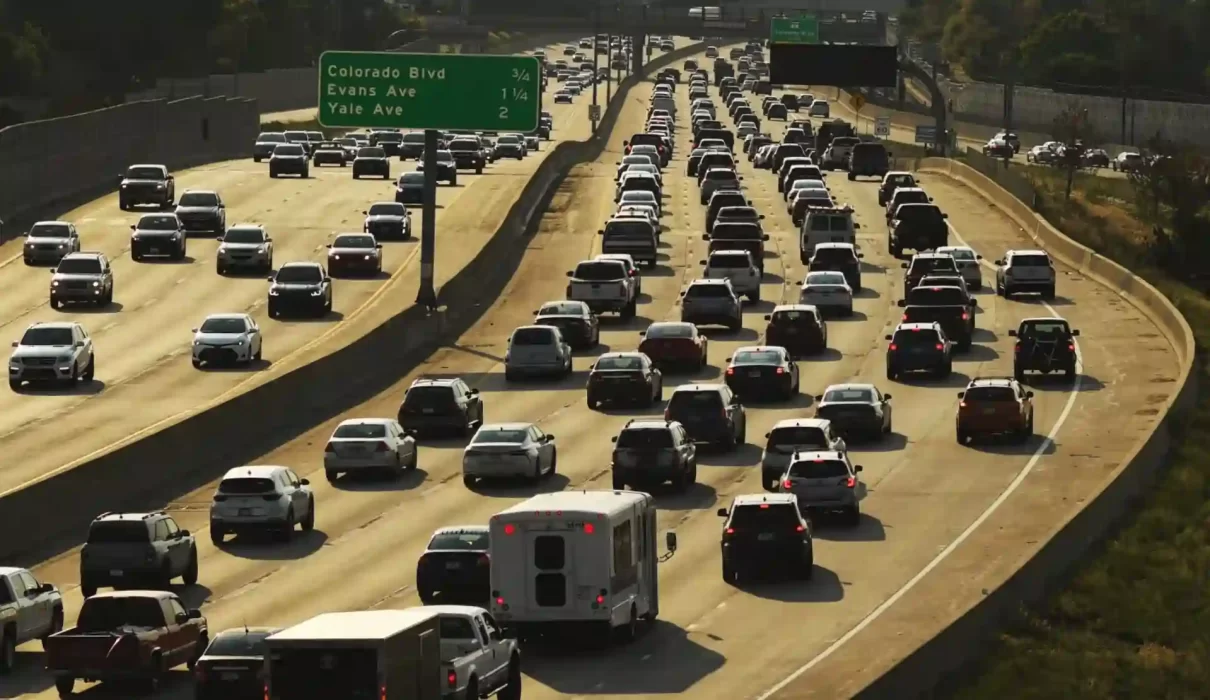
By Driving on Denver’s busiest roads requires more than following traffic laws it demands constant awareness, defensive driving, and preparation for changing road conditions. Heavy traffic, distracted drivers, unpredictable weather, and congested intersections all increase the likelihood of collisions. This guide explains the biggest safety risks on Denver’s high-traffic roads, practical ways to avoid accidents, and the important steps to take if you’re injured in a crash.
Knowing which routes carry elevated risk can help drivers make informed choices. And when an accident does happen on one of Denver’s roads, understanding your legal options matters. If you were injured in a Denver crash, speaking with a Denver car accident lawyer can help you understand who may be responsible and what steps to take next.
What Makes High-Traffic Roads More Dangerous for Drivers?
High vehicle volume reduces the margin for error. When roads carry heavy traffic, drivers have less time and space to react to sudden stops, lane changes, or unexpected hazards. Merging zones, where traffic from multiple directions converges at speed, are among the most demanding situations drivers encounter on a regular basis.
The mix of vehicle types on busy roads adds another layer of complexity. Commercial trucks, delivery vehicles, rideshare cars stopping without notice, and cyclists sharing lanes all require drivers to stay alert and constantly adjust. Understanding that risk tends to increase in proportion to traffic volume is one of the most practical things a driver can internalize before heading into a high-traffic corridor.
What Driver Behaviors Cause the Most Accidents on Busy Roads?
Distracted driving is one of the leading contributors to accidents on high-traffic roads. When a driver’s attention shifts to a phone, a navigation screen, or a conversation, reaction time decreases significantly. On a busy road, even a fraction of a second of delayed response can be the difference between a safe stop and a collision.
Tailgating is closely related. Following too closely leaves almost no room to react when the vehicle ahead brakes suddenly. Speeding compounds both problems, as higher speeds reduce reaction time while increasing the force of any impact that occurs. Aggressive lane changes without signaling or checking blind spots are another frequent cause of multi-vehicle crashes in dense traffic conditions.
How Do Weather Conditions Affect Driving Safety in Denver?
Snow and ice reduce traction and extend stopping distances significantly. Black ice is especially dangerous because it is nearly invisible until a vehicle loses grip. Road surfaces that appear clear can become slick within minutes as temperatures drop after sunset or during a sudden cold front.
Rain following a dry stretch can bring oil residue to the surface, making roads slippery before the rain washes them clean. Glare from low sun angles during morning and evening commutes reduces visibility at intersections and on highway ramps. Adjusting speed and following distance based on actual conditions, rather than just the posted speed limit, is one of the most effective habits a driver can build for year-round safety.
What Should Drivers Watch for in Dense Urban Traffic?
Urban driving environments require constant attention to multiple types of hazards at the same time. Pedestrians crossing mid-block, cyclists moving between lanes, and delivery trucks parked in travel lanes all demand that drivers stay aware of what is happening beyond just the vehicle immediately ahead.
Intersections are consistently among the most dangerous points on any urban road. Running a light that is about to turn red, failing to fully stop before turning, and misjudging the speed of oncoming traffic when turning left are among the most common mistakes that lead to intersection crashes. Treating every intersection as a potential conflict point, slowing down and scanning in all directions, is a habit that significantly reduces risk exposure.
What Should You Do Immediately After a Car Accident in Denver?
The steps you take right after a crash can affect both your health and your ability to pursue a claim. Here is what to prioritize:
• Move to a safe location if possible and turn on hazard lights
• Exchange insurance and contact information with the other driver
• Photograph the vehicles, damage, road conditions, and surrounding area
• Collect contact information from any witnesses present
• Avoid giving a recorded statement to the other driver’s insurance company before consulting an attorney
Surveillance footage from nearby businesses and traffic cameras can disappear quickly. An attorney can send formal preservation requests to prevent that evidence from being lost before it can be reviewed.
What Should You Avoid Doing After a Car Accident in Denver?
How a driver handles the moments and days after a crash can affect the outcome of any claim that follows. A few missteps are common and worth knowing about before they happen.
Admitting fault at the scene is one of the most frequent mistakes. Even a casual apology can be interpreted as an admission of responsibility, regardless of what the full investigation later reveals. Giving a recorded statement to the other driver’s insurance company before speaking with an attorney is another risk. Insurance adjusters are trained to ask questions in ways that may minimize the value of a claim, and anything said in that conversation can be used later.
Delaying medical care is also a problem. Injuries that feel minor at the scene can worsen over the following days, and a gap in medical records makes it easier for an insurer to argue that the injuries were not caused by the accident. Posting about the accident on social media before a claim is resolved is another avenue insurers use to challenge the severity of injuries. Keeping details private and speaking with an attorney early puts you in a stronger position from the start.

Hazel Isabella
Editor at Attorneys Magazine. Hazel Isabella oversees editorial content covering legal news, legal marketing, attorneys’ perspectives, and other topics related to the legal industry. She is committed to delivering accurate, high-quality content and collaborates with legal professionals and writers to create informative articles on a wide range of legal subjects.