 By
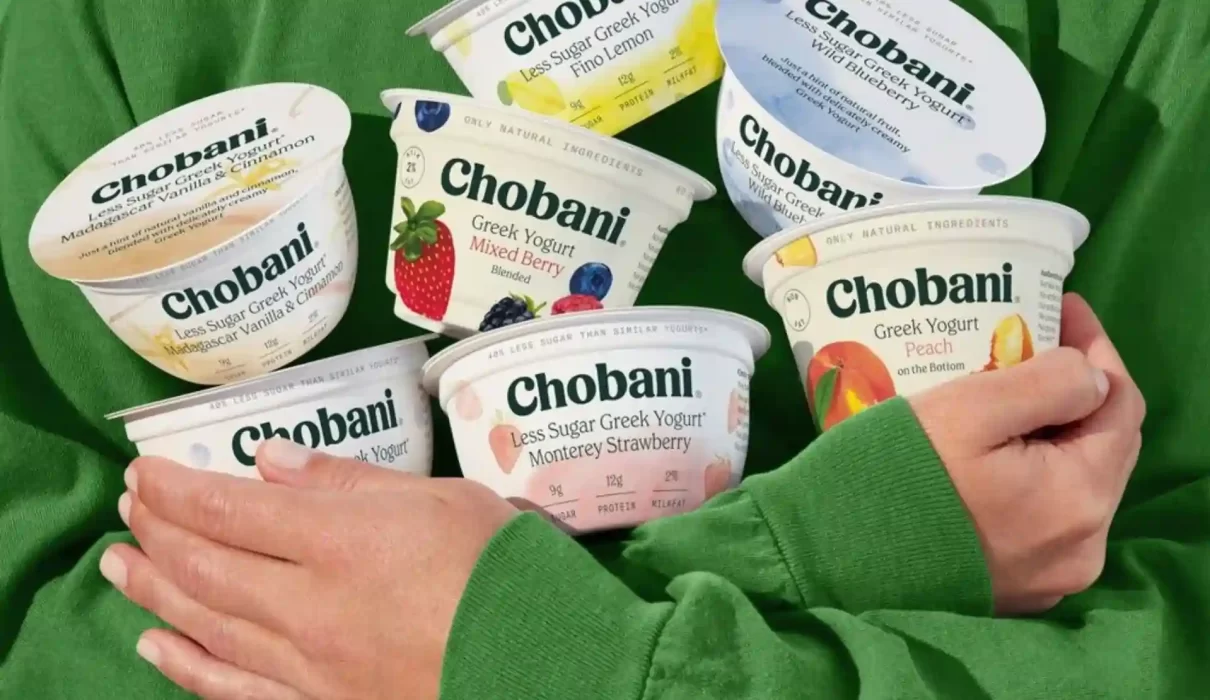
By Chobani is facing an active class action lawsuit over claims that some of its Greek yogurt products contain phthalates, plastic-derived chemicals, despite being labeled “Only Natural Ingredients.” The case does not claim the yogurt causes cancer. It’s a false advertising and consumer protection lawsuit, filed in April 2025 in federal court in California, and no court, regulator, or scientific body has confirmed any consumer was harmed. Here’s what’s actually been alleged, what’s been proven, and where the case stands right now.
Chobani is facing an active class action lawsuit, and yes, cancer is part of the conversation. The lawsuit against Chobani yogurt does not claim that the company’s products give people cancer. It claims something narrower and more specific: that Chobani sold certain yogurts labeled “Only Natural Ingredients” while independent testing found man-made plastic chemicals called phthalates inside them, and that some phthalates are linked in scientific literature to cancer risk and hormone disruption.
The Chobani yogurt lawsuit, formally known as Wysocki v. Chobani LLC, was filed in April 2025 in federal court in California. It is a consumer protection and false advertising case, not a personal injury case. Nobody in the lawsuit claims to have developed cancer from eating Chobani yogurt, and no court, regulator, or scientific body has confirmed that Chobani products caused any illness in anyone.
So is there a lawsuit against Chobani yogurt? Yes. Is it proven that the yogurt causes cancer? No, and the lawsuit itself does not make that claim. Below is a complete, plain-language breakdown of what the case alleges, what phthalates actually are, which products are named, where the case stands as of mid-2026, and what consumers should do if they want to follow it.
Why Is Everyone Talking About the Chobani Yogurt Lawsuit?
The Chobani yogurt lawsuit update that circulated most widely came through social media, not through a press release. Screenshots and short video clips claiming Chobani yogurt “causes cancer” spread on Facebook, Instagram, and TikTok throughout late 2025 and into 2026, often stripped of context and mixed with claims about a payout consumers could sign up for.
That framing oversimplifies a real but narrower legal dispute. The underlying case is a consumer fraud lawsuit built around a specific factual claim: that third-party lab testing found phthalates, a family of industrial chemicals used to soften plastic, inside two Chobani Greek yogurt products marketed as free of synthetic ingredients.
Fact-checking outlets, including Snopes, reviewed the viral claims and confirmed that a real class action complaint exists and was filed by a California consumer. At the same time, those same reviews noted that no regulatory agency has verified the presence of phthalates in Chobani products, and that Chobani disputes the allegations.
Quick Timeline
- December 2024: PlasticList, an independent research and testing organization, reportedly detects phthalates in certain Chobani Greek yogurt products.
- April 16, 2025: Plaintiff Amy Wysocki files a class action complaint against Chobani LLC in the U.S. District Court for the Southern District of California.
- Mid-2025: Chobani files a motion to dismiss the case, arguing the allegations lack merit.
- August 2025: The court holds a hearing and indicates, according to Chobani’s own public statement, that it intends to dismiss the claims in a future formal order.
- Late 2025 through mid-2026: No formal dismissal order has been publicly filed. The case remains open, with the parties and outside observers awaiting the court’s written ruling.
Because the yogurt itself has not been recalled and no formal ruling has closed the case, search interest in terms like chobani yogurt lawsuit update, chobani yogurt lawsuit news, and chobani yogurt lawsuit 2026 has stayed high while people try to figure out what is actually going on.
What Does the Lawsuit Allege?
The core of the Chobani yogurt class action lawsuit is a consumer protection claim, not a personal injury claim. The plaintiff is not asking to be compensated for getting sick. She is asking to be compensated, along with other consumers who bought the same products, for paying for yogurt that she says was marketed in a misleading way.
The Central Allegation
According to the complaint, Chobani’s Nonfat Plain Greek Yogurt and Whole Milk Plain Greek Yogurt were labeled and advertised as containing “Only Natural Ingredients.” The lawsuit alleges that independent testing found four types of phthalates in these products, chemicals that are not naturally occurring and that the suit says likely migrated into the yogurt from its plastic packaging over time.
The Legal Theories Behind the Case
- Violation of California’s Consumers Legal Remedies Act
- Violation of California’s Unfair Competition Law
- Violation of California’s False Advertising Law
- Breach of express warranty
- Unjust enrichment
In short, the lawsuit for Chobani yogurt argues that the “natural” labeling was false or misleading, and that consumers paid a premium, or would not have purchased the product at all, had they known synthetic chemicals were allegedly present.
What the Lawsuit Does Not Claim
It does not claim: that any consumer developed cancer, an illness, or a diagnosed medical condition from eating Chobani yogurt.
It does not claim: that Chobani intentionally added phthalates to its products.
It does not claim: that the FDA or any government agency has confirmed unsafe phthalate levels in Chobani yogurt.
What has NOT been proven is just as important as what has been alleged. This is a civil complaint. Under U.S. law, the allegations in a complaint are the plaintiff’s claims, not established facts, until a court rules on them or the parties settle. Chobani denies the allegations and has moved to have the case thrown out.
Understanding Phthalates and Endocrine Disruptors
Phthalates are a family of chemicals used to make plastics softer, more flexible, and more durable. They show up in a huge range of everyday products, including food packaging, personal care items, vinyl flooring, and medical equipment. Because they are so widely used, health and environmental researchers sometimes call them “the everywhere chemical.”
What Makes Phthalates Controversial
The Environmental Working Group, a nonprofit research and advocacy organization that studies chemical exposure, has published extensive material explaining that phthalates are not chemically bound to the plastics they are added to. That means they can migrate out of packaging and into food, water, air, and dust over time. This migration is the exact mechanism the Chobani lawsuit points to when it alleges phthalates entered the yogurt from its container.
Endocrine Disruption, Explained
Some phthalates are classified as endocrine disruptors. That means they can interfere with the body’s hormone system, potentially affecting how hormones are produced, released, or used. Research organizations including EWG have linked phthalate exposure to a range of possible health concerns, including reproductive and developmental effects, and some studies have examined a possible association with cancer risk.
It is worth being precise here. “Associated with” is not the same as “proven to cause.” Scientific studies on phthalates generally look at population-level exposure and health outcomes, which can identify patterns worth further study without establishing that a specific product caused a specific illness in a specific person.
What Regulators Currently Say
- The FDA permits a limited number of phthalates for use in food-contact packaging materials, but does not allow phthalates to be added directly to food as an ingredient.
- The FDA has stated it continues to evaluate phthalates in food-contact materials as part of its ongoing chemical safety review process.
- The EPA has flagged certain phthalates, including DEHP, as probable human carcinogens based on animal studies, a classification the lawsuit references.
- No U.S. regulatory agency has issued a recall, warning, or safety alert specific to Chobani products related to phthalates.
Independent testing cited in press coverage, including Consumer Reports testing from 2024, has found trace phthalates in a wide range of packaged food products across the industry, not just Chobani. That context matters for anyone trying to judge how unusual the allegations against Chobani actually are.
| Relevant Readings On Attorneys Magazine CORA Pads Allegations Anthropic’s Copyright Lawsuit Trajector Medical Lawsuit |
Does the Lawsuit Claim Chobani Yogurt Causes Cancer?
No. This is the single most important clarification in the entire Chobani yogurt cancer lawsuit conversation. The complaint does not allege that Chobani yogurt causes cancer, and Chobani yogurt has not been shown to cause cancer in any person.
Association Versus Causation
The lawsuit references scientific literature describing some phthalates as substances associated with increased cancer risk in research settings. That is an association claim rooted in existing chemical safety research on phthalates generally, used to argue that the presence of these chemicals matters and that Chobani’s “natural” labeling was misleading given the potential risk profile.
Causation is a much higher bar. To prove causation, you would need evidence that a specific exposure, at a specific dose, over a specific period, directly caused a specific disease in a specific person. Nothing in the public complaint attempts to prove that, and no plaintiff in the case claims to have been diagnosed with cancer or any other illness.
Thyroid and Other Health Concerns Mentioned in Coverage
Some secondary coverage of the case has raised questions about thyroid function, since certain phthalate metabolites have been studied for their interaction with thyroid receptors in laboratory research. This research exists and is cited in some legal filings related to phthalate litigation generally, but it does not establish that anyone who consumed Chobani yogurt experienced thyroid harm.
Scientific Limitations Worth Understanding
- Trace-level detection of a chemical is not the same as a dangerous exposure level.
- Laboratory and animal studies on phthalates do not automatically translate to real-world human outcomes at typical dietary exposure.
- No peer-reviewed study has linked Chobani yogurt specifically, as opposed to phthalate exposure generally, to any cancer diagnosis.
Consumers searching for a Chobani yogurt cancer claim that has been legally or scientifically proven will not find one. What exists is a labeling and disclosure lawsuit that raises phthalate exposure as a reason the “natural” claim was allegedly misleading.
Which Chobani Products Are Mentioned?
The complaint is specific about which products it names. It is not a blanket claim against every item Chobani sells.
| Product | Named in the Lawsuit? |
|---|---|
| Chobani Nonfat Plain Greek Yogurt | Yes, directly named as purchased by the plaintiff |
| Chobani Whole Milk Plain Greek Yogurt | Yes, directly named in the complaint |
| Other plain Greek yogurt varieties with similar packaging | Referenced generally as “substantially similar” products |
| Chobani Flip yogurt | Not specifically identified in the complaint |
| Chobani protein yogurt line | Not specifically identified in the complaint |
| Chobani drinkable yogurt | Not specifically identified in the complaint |
| Chobani Zero Sugar yogurt | Subject of a separate, unrelated lawsuit over sugar labeling, since dismissed |
The complaint does state that Chobani’s other products largely share similar core ingredients and packaging, and it seeks to represent purchasers of “substantially similar” products in addition to the two products the plaintiff personally bought. But as written, the factual testing allegations center on the plain Greek yogurt line, not flavored cups, Flip varieties, protein shots, or drinkable formats specifically.
Current Class Action Status
Is Chobani yogurt facing a class action lawsuit right now? Yes, technically, though the case has not moved past its earliest procedural stage.
Where the Case Stands
- Case name: Wysocki v. Chobani LLC
- Case number: 3:25-cv-00907-JES-VET
- Court: U.S. District Court for the Southern District of California
- Filed: April 16, 2025
- Case type: Proposed class action, consumer protection and false advertising
- Class certification: Not granted. The case is still a proposed class action, meaning no court has yet ruled that it can proceed on behalf of a broader group of consumers.
The Motion to Dismiss
Chobani moved to dismiss the case, arguing the claims lack merit. At an August 2025 hearing, the court reportedly signaled that it intended to dismiss the claims in a written order. Chobani said as much in a public statement at the time.
As of mid-2026, based on the most recent publicly available docket information, no formal written dismissal order had been filed. That means the case technically remained open and pending a final ruling, even though the court had indicated where it was likely headed. Readers should treat this as a live legal process, not a closed matter, and check court records directly for the most current status, since rulings can be issued at any time.
It is also worth knowing that Chobani has faced other, separate labeling lawsuits. A 2023 case over “Zero Sugar” labeling and allulose content was dismissed with prejudice in May 2025, meaning it cannot be refiled. A different case involving “Only Natural” claims tied to stevia and monk fruit extracts survived a motion to dismiss in July 2025 and has been allowed to proceed. These are separate cases from the phthalates lawsuit and should not be confused with one another.
Can Consumers File a Claim?
Not yet. This is one of the most searched questions around the case, and the honest answer is straightforward.
| Question | Current Answer |
|---|---|
| Is there a Chobani yogurt lawsuit settlement? | No. No settlement has been reached. |
| Is there a claim form available? | No. There is no claim form because there is no settlement or judgment yet. |
| Can I sign up online for a payout? | No legitimate claims process currently exists. Be cautious of social media posts suggesting otherwise. |
| Has a class been certified? | No. Class certification has not been granted. |
| What would trigger a claims process? | Either a settlement between the parties or a court ruling that allows the case to proceed toward trial, followed by further legal steps. |
Any social media post, website, or message claiming you can sign up right now to receive a Chobani yogurt lawsuit payout should be treated with skepticism. Legitimate class action settlements are announced through official case websites, court filings, and established legal news outlets, not through unsolicited social posts promising quick payouts.
If a settlement is eventually reached or the case proceeds and results in a judgment, a formal claims administration process would typically follow, including public notice to the potentially affected class, a defined claim period, and an official claim form. None of that exists at this time.
Latest Chobani Lawsuit Updates (2024–2026)
| Date | Development |
|---|---|
| December 2024 | PlasticList reportedly detects phthalates in select Chobani Greek yogurt products through independent lab testing. |
| April 16, 2025 | Amy Wysocki files the class action complaint in the Southern District of California. |
| May 29, 2025 | A separate Chobani lawsuit over “Zero Sugar” allulose labeling is dismissed with prejudice in a different court. |
| July 11, 2025 | A separate “Only Natural” ingredients case involving stevia and monk fruit survives a motion to dismiss and proceeds. |
| August 2025 | The court hears arguments on Chobani’s motion to dismiss the phthalates case and signals an intent to dismiss the claims. |
| October 2025 | No formal dismissal order has been publicly filed, according to court docket reviews. |
| Late 2025 into early 2026 | Fact-checking organizations, including Snopes, confirm the lawsuit is real after viral social media claims spread, while noting no wrongdoing has been proven. |
| February–March 2026 | The case remains listed as active, with the parties still awaiting the court’s formal written ruling on the motion to dismiss. |
Because the formal ruling has not yet been published as of this writing, this page will be updated as new developments occur. Readers following the chobani yogurt lawsuit 2025 reddit threads and other unofficial sources should treat court dockets and established legal news outlets as the more reliable record.
Frequently Asked Questions
What is the Chobani lawsuit?
It is a class action lawsuit, Wysocki v. Chobani LLC, alleging that Chobani’s “Only Natural Ingredients” Greek yogurt labeling was misleading because independent testing reportedly found phthalates in the products.
Is there a lawsuit against Chobani yogurt?
Yes. It was filed in April 2025 in the U.S. District Court for the Southern District of California and remains pending.
Does the Chobani lawsuit claim the yogurt causes cancer?
No. The lawsuit alleges misleading labeling tied to phthalate content. It does not claim the yogurt caused cancer in any consumer.
What are phthalates?
Phthalates are industrial chemicals used to soften and add flexibility to plastics. They are used in many consumer products, including some food packaging.
Are phthalates dangerous?
Some phthalates are classified as endocrine disruptors and possible carcinogens based on research, though risk depends heavily on exposure level and duration. Regulatory agencies continue to study this.
Which Chobani products are named in the lawsuit?
Chobani Nonfat Plain Greek Yogurt and Chobani Whole Milk Plain Greek Yogurt are specifically named.
Is Chobani Flip yogurt included in the lawsuit?
No. Flip yogurt is not specifically identified in the complaint.
Is Chobani protein yogurt included?
No. The protein yogurt line is not specifically named in the complaint.
Is Chobani drinkable yogurt included?
No. Drinkable yogurt is not specifically named in the complaint.
Is Chobani Zero Sugar yogurt part of this lawsuit?
No. Zero Sugar yogurt was the subject of a separate lawsuit over allulose and sugar labeling. That case was dismissed with prejudice in May 2025.
Is Chobani being recalled?
No. As of this writing, there is no public recall of Chobani yogurt products tied to this lawsuit.
Has Chobani been found guilty of anything?
No. Chobani has not been found liable. The company denies the allegations and has moved to dismiss the case.
What is Chobani’s response to the lawsuit?
Chobani has stated the allegations lack merit and maintains its products contain only natural ingredients.
Who filed the Chobani lawsuit?
Amy Wysocki, a California resident, filed the complaint on behalf of herself and other proposed class members.
When was the Chobani lawsuit filed?
April 16, 2025.
What court is handling the Chobani lawsuit?
The U.S. District Court for the Southern District of California.
What is the case number?
3:25-cv-00907-JES-VET.
Is the Chobani yogurt lawsuit real?
Yes. It is a real, publicly filed federal court case, confirmed by court records and fact-checking organizations.
Is there a Chobani yogurt lawsuit settlement?
No settlement has been reached as of this writing.
Is there a Chobani yogurt lawsuit claim form?
No. There is no claim form because there is no settlement or judgment yet.
Can I file a claim online for the Chobani lawsuit?
Not currently. No legitimate claims process exists yet.
Can I sign up for the Chobani lawsuit?
There is nothing to formally sign up for at this stage since no class has been certified and no settlement exists.
How do I know if I qualify for the Chobani lawsuit?
Eligibility questions cannot be answered until a class is certified or a settlement is reached, at which point official eligibility criteria will be published.
What is the Chobani lawsuit settlement amount?
There is no settlement amount because no settlement has occurred.
Is there a Chobani lawsuit payout available now?
No. Any claim of an available payout at this time should be treated with caution.
What is the latest Chobani lawsuit update?
As of early 2026, the case remains pending a formal written ruling on Chobani’s motion to dismiss, after the court signaled in August 2025 that it intended to dismiss the claims.
Did the court dismiss the Chobani phthalates case?
The court indicated at an August 2025 hearing that it intended to dismiss the claims, but as of the most recent public docket review, no formal written order had been filed.
What does ‘motion to dismiss’ mean in this case?
It is a request by Chobani asking the court to throw out the lawsuit before it proceeds further, typically by arguing the claims are legally insufficient.
Is the Chobani lawsuit a class action?
It is a proposed class action. A court has not yet certified it as an official class action.
What does class certification mean?
Class certification is a court ruling that allows a lawsuit to proceed on behalf of a broader group of similarly affected consumers, not just the named plaintiff.
How long do class action lawsuits like this typically take?
Consumer class actions commonly take twelve to twenty-four months or longer to reach certification, depending on motions and discovery, and can take longer still to resolve fully.
What chemicals were allegedly found in Chobani yogurt?
The complaint cites four types of phthalates, including DEHP, DEP, DBP, and DEHT.
Where did the phthalates allegedly come from?
The lawsuit alleges the chemicals likely migrated from the yogurt’s plastic packaging into the product over time.
Who tested the Chobani yogurt for phthalates?
PlasticList, an independent research and testing organization, is cited in the complaint as the source of the testing results.
Has the FDA confirmed phthalates in Chobani yogurt?
No. No federal regulatory agency has publicly confirmed the presence of phthalates in Chobani products.
Does the FDA allow phthalates in food packaging?
The FDA permits a limited number of phthalates in food-contact packaging materials but does not allow them as direct food additives, and continues to evaluate their safety.
Are phthalates found in other food products too?
Yes. Independent testing, including a 2024 Consumer Reports investigation, found trace phthalates in numerous packaged food products across the industry, not exclusively Chobani.
Is Chobani Greek yogurt safe to eat?
No recall or safety warning has been issued for Chobani yogurt, and no regulatory body has determined the products are unsafe. Consumers with concerns should consult reliable health sources and make their own informed decisions.
Is there a Chobani yogurt thyroid lawsuit?
No separate thyroid-specific lawsuit exists. Some coverage references thyroid-related research on phthalate metabolites, but this is not a distinct legal claim against Chobani.
What should I do if I bought the named Chobani products?
No action is currently required. If a settlement or claims process is established in the future, eligible purchasers will typically be notified through official channels.
Where can I check for official updates on the case?
Federal court records through PACER, established legal and consumer news outlets, and Chobani’s own public statements are more reliable than social media posts.
Is this the same as the Chobani Zero Sugar lawsuit?
No. That is a separate, unrelated case that has already been dismissed with prejudice.
What Could Happen Next in the Chobani Lawsuit
Cases like this generally move through a fairly predictable set of stages, even though the exact timing is never guaranteed. Understanding those stages can help consumers make sense of headlines without reading too much into any single update.
Possible Paths Forward
- The court issues a formal order dismissing the case. Based on the August 2025 hearing, this appears to be the direction the court is leaning, though a written order was not publicly available as of this writing.
- The court dismisses some claims but allows others to proceed, which is common in consumer protection litigation and would send the case into discovery on a narrower set of allegations.
- The plaintiff amends the complaint and refiles, a common step if a court dismisses a case without prejudice, meaning the door remains open to try again with revised claims.
- The parties reach a negotiated settlement before any final ruling, which does happen in consumer class actions even after a defendant’s motion to dismiss has been argued.
If the case survives dismissal, the next major milestones would include a discovery period, where both sides exchange evidence, followed by a motion for class certification. Certification is often the point at which national news coverage picks back up, since it determines whether the case can represent a broad group of consumers rather than just the named plaintiff.
How to Verify Information Yourself
Anyone who wants to track the Chobani yogurt lawsuit phthalates update directly, rather than relying on secondhand summaries, has a few reliable options. Federal court dockets are publicly searchable through the PACER system using the case number 3:25-cv-00907-JES-VET. Established legal news outlets that specialize in class action coverage typically report new filings within days. Chobani’s own newsroom or investor communications, where available, are also a legitimate source for the company’s official position.
It is worth repeating that social media claims, especially posts promising an immediate payout or urging people to sign up now, are the least reliable source of information about this case. Scammers frequently exploit real, newsworthy lawsuits by creating fake claim sites designed to harvest personal information. Until an official settlement website tied to a certified class action is published, there is nothing legitimate to sign up for.
Balancing Consumer Caution With the Facts
It is possible to hold two things as true at the same time. First, the underlying scientific concern behind the lawsuit, that phthalates can migrate from plastic packaging into food and that certain phthalates carry documented health risks at sufficient exposure, is grounded in real, peer-reviewed research and is not a fringe theory. Second, none of that research establishes that a specific consumer who ate Chobani yogurt was harmed, and the presence of trace chemicals in testing is not the same as a proven safety failure.
Consumers who are concerned about phthalates in food packaging generally, independent of this specific lawsuit, can look for products packaged in glass or phthalate-free materials, and can consult resources like the Environmental Working Group’s food and chemical exposure guides for broader context. Those choices are a matter of personal risk tolerance rather than a response to any confirmed danger from Chobani products specifically.
For now, the most accurate summary is this: a real lawsuit exists, it raises a real category of chemical safety concern, none of the central health claims have been proven in court, and the case appears headed toward a ruling that could end it, though that has not happened officially yet.
Conclusion: What Consumers Should Actually Take Away From This
The Chobani yogurt lawsuit is real, active, and worth understanding, but it is not the sweeping cancer scandal that some social media posts suggest. It is a consumer protection case built around a specific allegation: that independent testing found phthalates in two plain Greek yogurt products marketed as containing only natural ingredients.
Everything in this case remains an allegation unless and until a court rules on it or the parties settle. Chobani denies wrongdoing, no regulator has confirmed unsafe chemical levels in the products, and no consumer has been medically linked to harm from eating Chobani yogurt. At the same time, the court has signaled it may dismiss the case, though a formal written order was not publicly available as of this writing.
Consumers who want accurate, current information should follow the federal court docket directly and rely on established legal and consumer reporting rather than viral social posts. If the case results in a settlement or a ruling that allows it to proceed, official notice and a formal claims process would follow, and this page will reflect those updates when they happen.
Sources
Last Updated on: 23rd July 2026

Adam Fermin
Chief Editor of Attorneys Magazine. Adam oversees the selection and verification of legal, marketing, and technology content. He focuses on distilling complex industry updates into actionable insights, ensuring every editorial piece meets the highest standards of accuracy, relevance, and professional quality.