
 By
Search “rael pads lawsuit” and you will find a mix of real court filings, outdated news, and social media posts describing a settlement that does not exist. Here is the short version: Rael, Inc. is tied to two separate, active legal matters in California, but neither has produced a settlement fund, a claim form, or a payout deadline. One case concerns “natural” labeling on Rael’s feminine hygiene wipes. The other, a more significant case for pad buyers, concerns “organic” labeling on Rael’s pads, liners, and period underwear, and it is now in front of the California Supreme Court.
This article walks through what each case actually alleges, where the litigation stands as of the latest court update, and how to separate verified facts from the claims circulating online. None of it is legal advice. If you believe a Rael product harmed you or misled you as a buyer, speak with a consumer protection attorney about your specific situation.
Does Rael Pads Have a Lawsuit? The Short Answer
Yes. Rael, Inc. is a defendant in active litigation connected to its pads, liners, period underwear, and feminine wipes. What does not exist, despite what some posts claim, is an open class action settlement that current or former Rael customers can file a claim against today. The two real cases are:
- Blansette v. Rael, Inc. — filed in federal court in California on January 3, 2023, alleging that Rael’s “natural” feminine hygiene wipes contained synthetic preservatives and surfactants.
- Environmental Democracy Project v. Rael, Inc. — filed in Alameda County Superior Court, alleging that Rael’s “organic” pads, liners, and period underwear do not meet California’s legal threshold for organic content. This is the case now before the California Supreme Court.
A detailed breakdown of how cases like these move through the court system, from filing to a possible settlement, is available in our guide to how class action lawsuits work.
Are Rael Pads Safe to Use?
Neither lawsuit against Rael alleges that its pads caused a physical injury. Both are labeling and advertising cases. That distinction matters. The claims are about whether Rael’s marketing language, words like “natural” and “organic”, accurately describes what is inside the product, not about whether the product is dangerous to wear.
Disposable menstrual pads, including organic-cotton pads from Rael and competing brands, are regulated by the FDA as Class I medical devices. That classification carries general manufacturing and labeling controls but does not require pre-market safety testing the way a new drug would. Like nearly every disposable pad on the market, Rael’s products combine a cotton top layer with synthetic components underneath, typically polyethylene, polypropylene, and a superabsorbent polymer core, which is what gives a pad its absorbency and leak protection. The lawsuits argue that Rael’s organic branding describes only the top sheet while implying the entire product is organic. That is a labeling-accuracy dispute, not a safety recall.
No regulatory recall has been issued for Rael pads as of this writing, and no court filing in either case alleges contamination, chemical exposure, or physical harm tied to normal use of the products.
What Is the Controversy Surrounding Rael Pads?
The controversy traces back to January 2023, when a California consumer, Sarah Blansette, filed a proposed class action accusing Rael of falsely advertising its feminine hygiene wipes as “natural.” According to the complaint, Rael’s plant-shaped logo and “Natural” labeling led shoppers to believe the wipes were made from plant-derived ingredients, when testing allegedly found synthetic substances including phenoxyethanol, polysorbate-20, sodium benzoate, and several other lab-made preservatives and emulsifiers. The case was covered in detail by ClassAction.org’s newswire report on the filing, which also names a companion suit filed the same week against a separate soap manufacturer over similar “natural” claims.
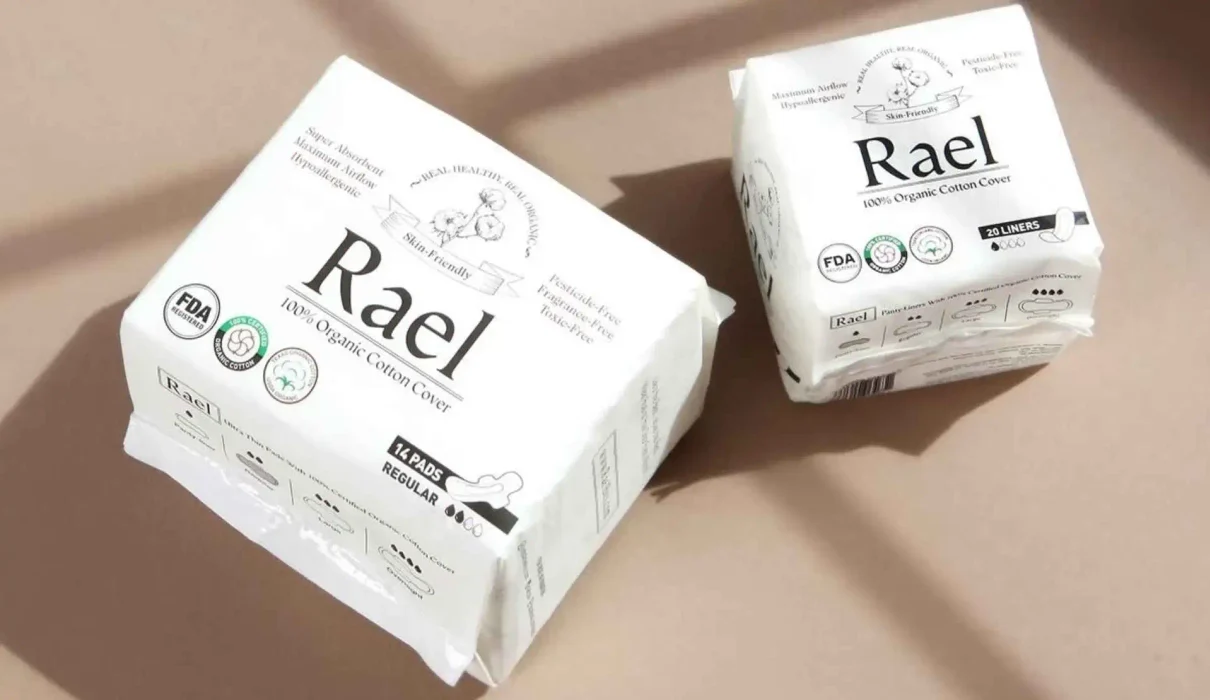
A second, larger controversy followed. The nonprofit Environmental Democracy Project sued Rael in Alameda County, arguing that Rael’s organic cotton cover pads, organic cotton cover period underwear, and organic cotton cover panty liners were marketed as “organic” and “made with organic cotton” while containing far less certified organic material than California law requires for that language. The complaint points to the same synthetic layers found in most disposable pads, listed on Rael’s own packaging, including superabsorbent polymer, polyethylene, polypropylene, elastics, and a waterproof backing, as components that do not count toward the organic-content threshold.
Inside the Rael Organic Pads Lawsuit
The organic-labeling case runs on a specific California statute: the California Organic Food and Farming Act, generally shortened to COFFA. Under the federal organic standard that COFFA incorporates, a product can only be labeled “organic” if at least 95 percent of its material is certified organic, or labeled “made with organic” ingredients if at least 70 percent qualifies.
Rael’s defense was not that its pads met those percentages. Instead, Rael argued that COFFA simply does not apply to personal care products like pads and period underwear at all, and only governs food, pet food, and a short list of other enumerated goods. The Alameda County trial court agreed and dismissed the case on that basis.
The Environmental Democracy Project appealed, and the California Court of Appeal, First Appellate District, reversed that dismissal. In its opinion, issued November 26, 2025 and modified on rehearing on December 18, 2025, the court held that COFFA’s language covers “all products” sold as organic in California, not just food, and that excluding feminine hygiene items while regulating pet food and cosmetics under the same organic standard would produce an outcome the legislature never intended. The full opinion, Environmental Democracy Project v. Rael, Inc., is published and available to read in full through Justia’s California Court of Appeal case archive.
That ruling sent the case back to the trial court to proceed on the merits, meaning Rael would then have to defend the actual organic-content percentages, not just the threshold legal question. Rael did not let it rest there.
| RELATED READING FROM ATTORNEYS MAGAZINE • Cora Pads Lawsuit • What is Class Action Lawuit |
What Is the Latest Update on the Rael Pads Lawsuit?
Rael petitioned the California Supreme Court to review the Court of Appeal’s decision, and the state’s highest court agreed. On March 18, 2026, the California Supreme Court granted review in the case, docketed as Environmental Democracy Project v. Rael, Inc., No. S294668. The question the court agreed to decide is straightforward: does COFFA’s organic-labeling standard apply to personal care products such as pads and period underwear, or only to food and the other categories the statute names directly.
That grant of review means the Court of Appeal’s pro-consumer ruling is not the final word. The case is now pending before the California Supreme Court, and no decision has been issued as of this writing. Until the Supreme Court rules, there is no finding that Rael’s labeling violated the law, no damages figure, and no class of eligible claimants.
On the separate Blansette false-advertising case over Rael’s wipes, the public record shows motion practice and an amended complaint filed in 2023, with no reported settlement or final judgment since.
Rael Pads Lawsuit Timeline
- January 3, 2023 — Blansette v. Rael, Inc. filed in federal court over “natural” wipe labeling.
- 2023-2024 — Environmental Democracy Project sues Rael under COFFA; the Alameda County trial court dismisses the case, ruling the statute does not reach personal care products.
- November 26, 2025 — The California Court of Appeal reverses, holding COFFA covers all products sold as organic, including pads and period underwear.
- December 18, 2025 — The Court of Appeal denies Rael’s rehearing petition and issues a modified opinion.
- March 18, 2026 — The California Supreme Court grants review (No. S294668); the case is now pending before the state’s highest court.
Common Myths About the Rael Pads Lawsuit
Because this case involves a popular consumer brand, it has picked up a layer of misinformation online that is worth correcting directly.
Myth: There is a PFAS lawsuit against Rael
Some articles describe a Rael lawsuit built around PFAS, or “forever chemicals,” contamination. No filed complaint against Rael makes that allegation. PFAS-related settlements have closed against other period-care brands, including Thinx and Knix, both resolved in 2023, and it appears those cases are sometimes conflated with Rael’s. The actual claims against Rael are about labeling accuracy under false advertising and organic-products law, not chemical contamination.
Myth: There is a claim form or payout deadline right now
Short-form videos describing a Rael “refund” with a filing deadline have circulated on platforms including TikTok, often urging viewers to submit personal information before a cutoff date. A review of the actual TikTok discussion threads on the Rael lawsuit shows a mix of accurate case summaries and posts that describe a settlement process with no matching court record. Because the underlying case is still pending before the California Supreme Court, there is no settlement fund, no administrator, and no deadline to file anything. Treat any form asking for payment or sensitive personal data in exchange for a “Rael settlement” as a red flag until an official case number and court-approved administrator are confirmed.
Myth: “Organic” claims mean the lawsuit is about contamination
The organic-labeling dispute is about whether Rael’s marketing accurately reflects the percentage of certified organic material in the product, not about whether synthetic components are unsafe. Nearly every disposable pad sold in the United States, organic-branded or not, contains a synthetic absorbent core. That is standard manufacturing, not evidence of wrongdoing on its own.
What Is the Safest Brand of Pads?
No pad brand, Rael included, has been found unsafe by a court or a federal regulator. Choosing a pad is more often about personal sensitivity, comfort, and how closely a brand’s marketing matches its actual materials. A few practical points for any buyer comparing options:
- Check for a named certifier. A credible organic or cotton claim usually comes with a certification seal naming the certifying body, such as GOTS (Global Organic Textile Standard) or USDA Organic, rather than just the word “organic” on the front of the package.
- Read which layer is certified. “Organic cotton cover” or “made with organic cotton” describes one layer of the pad, typically the top sheet, not the entire product. The absorbent core and backing are almost always synthetic, across every major brand.
- Look for fragrance-free and dye-free options if you have sensitive skin, since added fragrance is a more common irritant trigger than the core materials themselves.
- Check the FDA’s medical device database for any recalls before buying a new brand, and stop using any product that causes irritation, rash, or unusual symptoms, then consult a physician.
In short, the “safest” pad is less about a single winning brand and more about matching certified claims to verified materials, and discontinuing any product that causes a reaction for your body specifically.
What to Do If You Bought Rael Products
- Keep receipts, order confirmations, or loyalty account records showing your Rael purchases. They cost nothing to hold onto and will matter if either case eventually produces a settlement.
- Do not submit money or sensitive personal information to any website or social media post claiming to process a Rael “claim” today. No such claims process currently exists.
- Follow the case through official sources, including the California Courts’ own case page for Environmental Democracy Project v. Rael, Inc., rather than relying on social media summaries.
- If you believe you were misled by specific labeling language on a product you bought, or you experienced an adverse reaction, consult a consumer protection or product liability attorney about your options outside of these class proceedings.
Frequently Asked Questions
Does Rael pads have a lawsuit?
Yes. Rael faces two active legal matters in California: a 2023 false advertising case over “natural” wipe labeling, and an organic-labeling case over its pads, liners, and period underwear that is currently pending before the California Supreme Court.
Is there a Rael organic pads lawsuit I can join right now?
Not yet. The organic-labeling case, Environmental Democracy Project v. Rael, Inc., has not reached a class certification stage or a settlement. There is no claim form to submit as of this update.
What is the latest Rael pads lawsuit update?
As of the latest court update, the California Supreme Court granted review of the case on March 18, 2026, meaning the appellate court’s ruling in favor of Environmental Democracy Project is on hold pending the Supreme Court’s own decision on whether California’s organic-products law applies to personal care items.
Are Rael pads dangerous or recalled?
No recall has been issued, and neither lawsuit alleges physical injury from using the pads. Both cases concern label and marketing accuracy, not product safety.
The Bottom Line
The Rael pads lawsuit headlines circulating online describe real litigation, but the details often get flattened or exaggerated along the way. There is no PFAS case, no open settlement, and no claim deadline today. What does exist is a genuinely significant legal question working its way through the California Supreme Court: whether a state organic-labeling law written decades ago, with food in mind, reaches modern personal care products. However the court rules, the decision will shape how every period-care brand in California is allowed to use the word “organic” going forward.
The article was written and published by Adam Fermin, reviewed by Allen Winston Grubman, and last updated on October 13, 2026.