 By
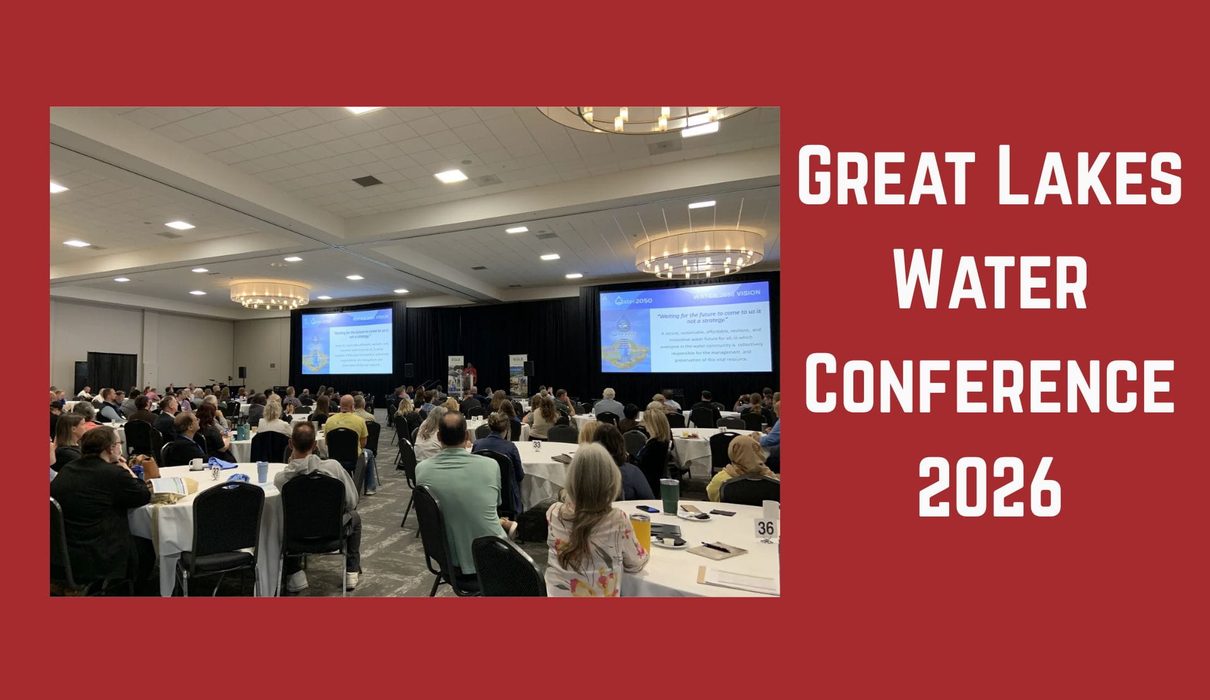
The University of Toledo College of Law hosts The Great Lakes Water Conference on Friday, November 13, 2026, built this year around the theme “Water, Technology, and Law.” Toledo’s location on the shore of Lake Erie makes it a natural host for a conference centered on water law, and the school has built a respected program in environmental and natural resources law over the years, anchored partly by its proximity to one of the largest freshwater systems on the planet.
Water law rarely makes national headlines the way other practice areas do, but it affects an enormous range of economic activity, agriculture, municipal utilities, manufacturing, and real estate development all depend on predictable water rights and regulatory frameworks. The Great Lakes region in particular carries unique legal complexity because water governance there involves not just state law but interstate compacts and, in some respects, international coordination with Canada given the shared nature of the Great Lakes basin.
This year’s addition of a technology track reflects a broader trend playing out across environmental and natural resources law. Artificial intelligence tools are increasingly used for water quality monitoring, flood prediction, and infrastructure management, and that creates new legal questions around liability when an AI-driven system fails to catch a contamination event or mispredicts a flood risk. Sessions addressing these intersections give attorneys a chance to think through liability frameworks before they get tested in litigation, which is generally a better position to be in than reacting after a high-profile failure.
The conference offers continuing legal education credit, which helps explain its draw beyond academics and into the practicing bar. Environmental attorneys, municipal counsel, and utility company in-house lawyers make up a meaningful share of the audience, alongside law students interested in environmental and natural resources practice. Sessions typically cover regulatory compliance under the Clean Water Act and related state statutes, water rights disputes, and the growing body of litigation tied to contamination from industrial sources and emerging contaminants.
That last category has become increasingly significant. Communities across the country continue to grapple with contamination from persistent chemicals that have made their way into water supplies, and the litigation arising from those contamination events has grown substantially in both volume and complexity. Attorneys Mag’s coverage of PFAS contamination litigation offers useful background for attorneys attending the conference who want deeper context on how courts and regulators are currently handling these so-called forever chemicals, a topic that frequently overlaps with the kind of water quality issues the Great Lakes Water Conference addresses directly.
For law students, the conference offers a relatively uncommon chance to engage with a specialized practice area that does not get heavy coverage in standard law school curricula. Water law tends to be taught, if at all, as a subset of broader natural resources or environmental law courses, so a dedicated conference gives students a fuller picture of what practicing in this field actually looks like day to day.
Registration and schedule details are posted through the conference’s event listing, which organizers update as sessions and speakers are confirmed.
Given how much water infrastructure across the country is aging and how often litigation now touches on both environmental harm and the technology meant to prevent it, the Great Lakes Water Conference offers a focused, practical look at a practice area that deserves more attention from the broader legal community than it typically receives.
Last updated on: November 4, 2026