
 By
By The AFFF firefighting foam lawsuit remains one of the largest active mass torts in the U.S., with over 15,000 claims consolidated in federal MDL 2873. As of August 2026, there’s still no global settlement for personal injury claims and no confirmed AFFF lawsuit settlement payout date. Here’s the latest news, settlement amount projections by tier, and what the pulled bellwether trial means for anyone waiting on a payout.
If you’ve searched for AFFF lawsuit news lately, you’ve probably noticed the story keeps shifting trial dates get set, then pulled; settlement rumors circulate, then stall. Here’s where things actually stand in the firefighting foam litigation, what a settlement payout might look like, and why there’s still no confirmed AFFF lawsuit settlement payout date for personal injury claims.
What Is the AFFF Lawsuit About?
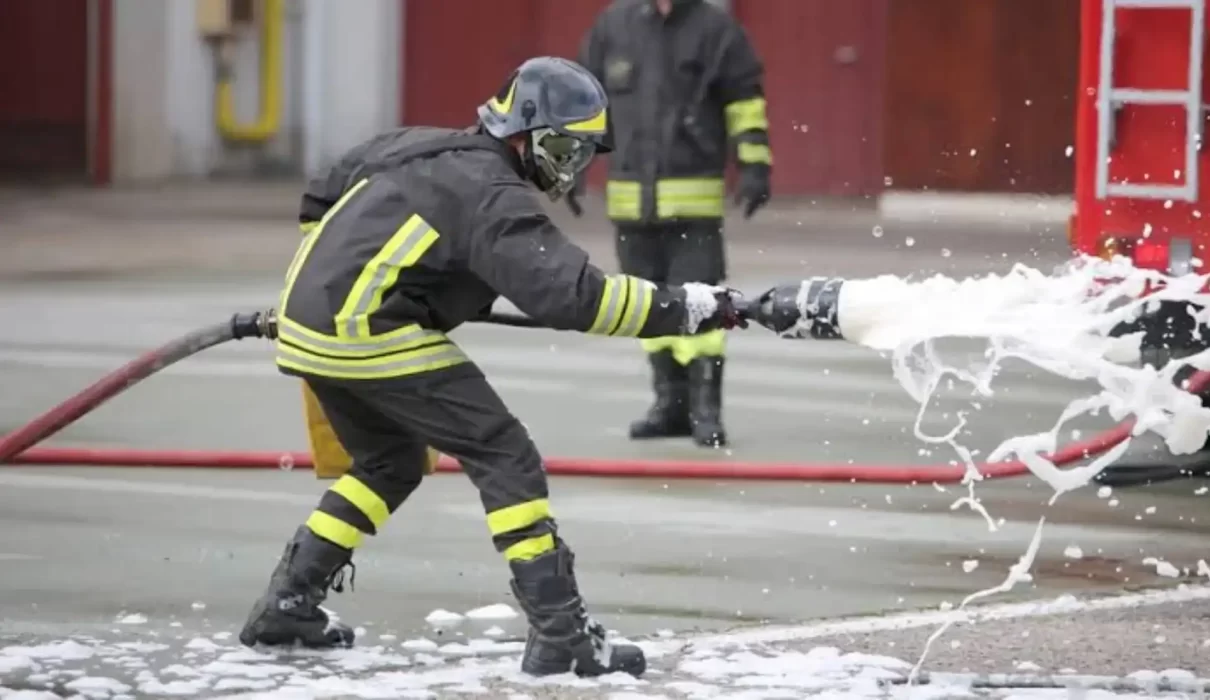
AFFF stands for aqueous film-forming foam, a firefighting agent that’s been standard equipment on military bases, at commercial airports, and in fire departments for decades because of how effectively it smothers fuel fires. The catch is what’s inside it: PFAS chemicals, short for per- and polyfluoroalkyl substances, which don’t break down in soil, water, or the human body. That’s earned them the nickname “forever chemicals.”
Thousands of firefighters, military veterans, airport crews, and residents near contaminated water systems are now suing the companies that manufactured AFFF names like 3M, DuPont, Tyco Fire Products, Chemours, BASF, and Chemguard arguing the companies knew about the cancer risk for years and never warned the people using the product.
All the federal personal injury and water contamination cases have been folded into one proceeding, MDL 2873, in the U.S. District Court for the District of South Carolina. That’s a mass tort structure, not a class action each plaintiff’s case is evaluated on its own facts even though pretrial matters are handled together. If a page tells you there’s an “AFFF class action,” that’s a mislabel worth knowing before you file.
AFFF Lawsuit News: August 2026 Update
Here’s what’s changed and what hasn’t in the last few months:
| Development | Status as of August 2026 |
| Total MDL claims | Roughly 15,240+ pending actions; over 19,800 total actions filed since the MDL opened |
| Personal injury bellwether trial | The October 2025 kidney cancer trial was vacated; no replacement date is on the calendar |
| Global settlement talks | No global personal injury settlement announced; defendants have not confirmed a resolution framework |
| Water contamination settlements | Already resolved separately 3M ($10.3B), DuPont/Chemours/Corteva ($1.185B), Tyco/BASF (combined over $1B) |
| Case filings | New claims continue to be added monthly, including from municipalities and additional individual plaintiffs |
The distinction that trips people up: the multibillion-dollar settlements you may have read about already happened but those paid public water utilities for contamination cleanup, not individuals who got sick. The personal injury and wrongful death claims, which cover people diagnosed with cancer after AFFF exposure, are a separate track that hasn’t settled yet.
AFFF Lawsuit Settlement Amounts: What Plaintiffs Might Expect
Since no personal injury settlement has been finalized, nobody including attorneys advertising specific numbers can guarantee what a case is worth. What exists instead are tiered projections built from comparable mass torts (like the 3M earplug litigation) and the severity scale used in AFFF cases so far.
| Tier | Typical Diagnosis | Estimated Range |
| Tier 1 (highest value) | Kidney cancer, pancreatic cancer long-term occupational exposure | $200,000 – $500,000+ |
| Tier 2 (mid-range) | Testicular cancer, prostate cancer | $150,000 – $300,000 |
| Tier 3 (lower range) | Ulcerative colitis, thyroid disease, other linked conditions | $20,000 – $75,000 |
What Actually Moves a Number Up or Down
- Length and intensity of AFFF exposure — years of hands-on firefighting or military firefighting duty typically carries more weight than brief contact
- Diagnosis type — cancers with the strongest PFAS research behind them (kidney, testicular) tend to value higher than conditions with a weaker documented link
- Medical records and work history — service records, incident logs, and treatment documentation directly support the exposure-to-illness connection
- Age at diagnosis and lost income — younger plaintiffs with significant lost earning capacity or ongoing treatment costs generally see higher valuations
- Outcome of the first bellwether trials — once a jury verdict exists, it becomes the reference point defendants and plaintiffs’ attorneys use to negotiate everything else
AFFF Lawsuit Settlement Payout Date: When Will People Get Paid?
Payout timing in a mass tort like this one typically follows a sequence: bellwether trials go first to give both sides a sense of how juries respond to the evidence, then settlement negotiations open (or intensify) once there’s a track record of verdicts, and finally a claims administration process distributes money to individual plaintiffs based on their tier. Each step can take months to over a year.
Given that the October 2025 trial was removed from the calendar and no new date has been set as of August 2026, realistic estimates from attorneys following the litigation put an initial personal injury settlement announcement no earlier than late 2026 or into 2027, with actual payouts following after that assuming the case doesn’t go to individual trials instead. Anyone who tells you a specific payout date is locked in should be treated with some skepticism until the court confirms it.
Health Conditions Linked to AFFF and PFAS Exposure
Peer-reviewed research and government health agencies, including the National Cancer Institute and the EPA, have tied long-term PFAS exposure to a growing list of conditions:
- Kidney cancer
- Testicular cancer
- Pancreatic cancer
- Liver cancer
- Thyroid cancer and thyroid disease
- Bladder, breast, colorectal, and prostate cancer
- Ulcerative colitis
- High cholesterol and immune system effects
- Pregnancy complications, including preeclampsia and reduced infant birth weight
Who Qualifies to File an AFFF Lawsuit?
You may have a claim if you can show meaningful exposure to AFFF and a qualifying diagnosis. The people most commonly filing include:
- Military firefighters and service members stationed where AFFF was used for training or emergencies
- Civilian and airport firefighters who handled the foam during drills or real fire response
- Industrial workers who manufactured, handled, or disposed of AFFF or PFAS chemicals
- Residents and municipal water customers near bases, airports, or industrial sites with documented PFAS contamination
If that describes you or a family member and a qualifying cancer or illness followed, an attorney handling AFFF cases can review service records, medical history, and water testing data to evaluate whether a claim is worth filing before any statute-of-limitations deadline passes.
How the AFFF Lawsuit Process Works
- 1. Case evaluation — an attorney reviews your exposure history and diagnosis to confirm eligibility
- 2. Filing — your claim is filed and typically transferred into MDL 2873 for pretrial proceedings
- 3. Discovery and bellwether selection — a small number of representative cases are prepared for trial to test how juries respond to the evidence
- 4. Settlement negotiation or trial — depending on bellwether outcomes, the parties either negotiate a broader settlement structure or proceed case by case
- 5. Claims processing and payout — once a settlement or verdict is reached, an administrator calculates individual payouts based on tier and documentation
Frequently Asked Questions
Is there an AFFF class action lawsuit?
No. AFFF claims are consolidated as a multidistrict litigation (MDL 2873), not a class action. Each plaintiff’s case is evaluated individually, even though the cases share pretrial procedures in one South Carolina federal court.
Has the AFFF lawsuit settled?
Not for personal injury or wrongful death claims. Earlier settlements from 3M, DuPont, Tyco, and BASF resolved water contamination claims brought by public utilities those payments did not go to individuals diagnosed with cancer or other illnesses.
How much is the average AFFF lawsuit settlement expected to be?
Attorney projections generally range from $20,000 for lower-tier claims to $500,000 or more for the most severe cancer diagnoses with strong exposure evidence. These are estimates based on similar litigation, not confirmed figures, since no personal injury settlement has been finalized.
When is the AFFF lawsuit settlement payout date?
There isn’t one yet. No personal injury settlement has been reached, and the bellwether trial that was expected to shape negotiations was removed from the court calendar with no new date set as of August 2026.
What is MDL 2873?
MDL 2873 is the federal multidistrict litigation in the District of South Carolina where AFFF personal injury and water contamination lawsuits are consolidated for pretrial proceedings, currently the largest active AFFF docket in the country.
Who can file an AFFF lawsuit?
Firefighters, military veterans, airport and industrial workers, and residents with documented PFAS-contaminated water who later developed a qualifying illness such as kidney or testicular cancer generally have standing to file.
Is it too late to file an AFFF claim?
Not necessarily, but statutes of limitations vary by state and by diagnosis date, and some attorneys anticipate a filing cutoff once a settlement framework is announced. Speaking with an attorney sooner rather than later preserves your options.

Adam Fermin
Chief Editor of Attorneys Magazine. Adam oversees the selection and verification of legal, marketing, and technology content. He focuses on distilling complex industry updates into actionable insights, ensuring every editorial piece meets the highest standards of accuracy, relevance, and professional quality.