
 By
By More than 6,600 paraquat lawsuits are consolidated in federal MDL No. 3004 before Chief Judge Nancy Rosenstengel as of mid-2026. Syngenta signed a confidential settlement agreement in August 2025, and the court approved a Qualified Settlement Fund in March 2026 to begin processing payouts. Final numbers are not public, but plaintiff attorneys estimate individual payouts between $20,000 and $1.5 million, based on Parkinson’s severity and documented exposure history. Farmworkers, licensed applicators, and agricultural employees who mixed, loaded, or sprayed paraquat and were later diagnosed with Parkinson’s disease may still be able to file a claim, since the court continues to accept new cases into the litigation.
Thousands of farmworkers, licensed applicators, and their families are watching the paraquat litigation closely in 2026, and for good reason. After years of delayed trial dates and quiet settlement talks, the case has finally moved from “will Syngenta settle” to “how much, and when.” Here’s where things actually stand, what the numbers really mean, and how to tell if you or a family member qualifies to file.
What Is the Paraquat Lawsuit About?
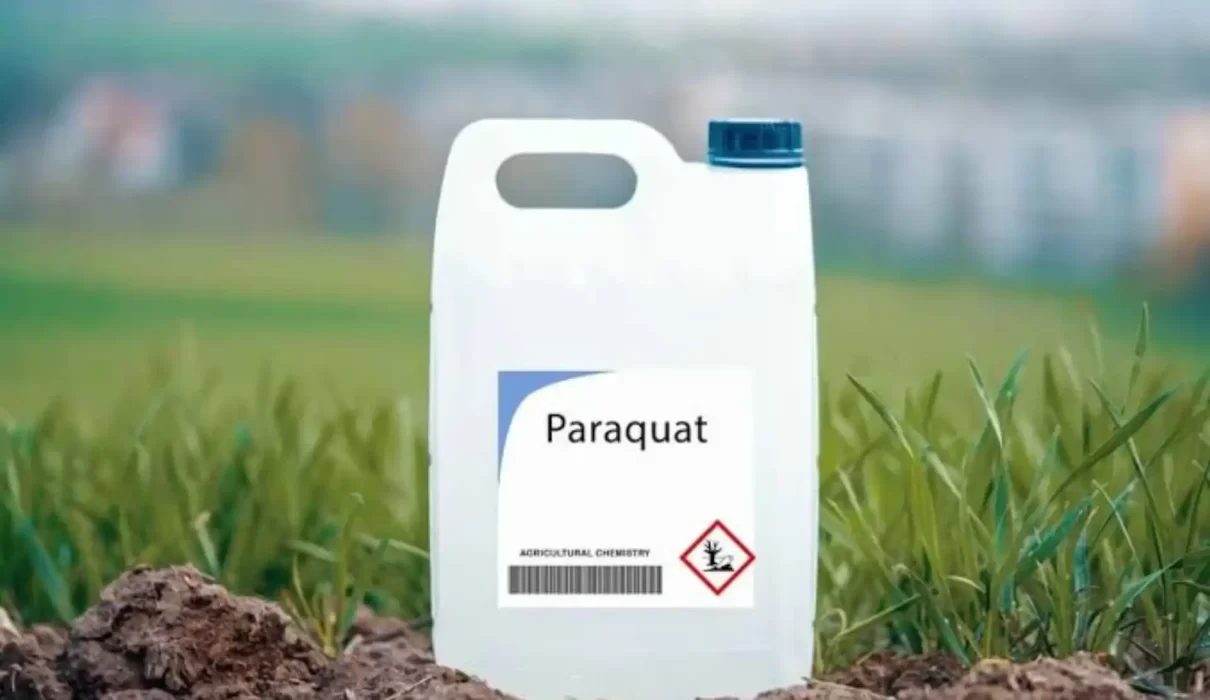
Paraquat dichloride is one of the most acutely toxic herbicides still sold in the United States, marketed under brand names like Gramoxone, Firestorm, Helmquat, and Parazone. The EPA classifies it as a Restricted Use Pesticide, meaning only certified applicators can legally buy or apply it. Manufacturers Syngenta and Chevron are the primary defendants in the litigation.
The lawsuits allege something more specific than general toxicity, though: a growing body of research links long-term paraquat exposure to an elevated risk of Parkinson’s disease, a progressive neurological condition with no cure. Plaintiffs argue that Syngenta and Chevron knew about this connection for decades, through internal research and outside studies, and failed to warn the farmworkers, mixers, and licensed applicators who handled the product without adequate protection. Paraquat is already banned in more than 70 countries, including the entire European Union and China, which plaintiffs’ attorneys point to as evidence the risk was recognized well before U.S. regulators acted.
Legally, most paraquat claims combine failure-to-warn, design defect, and negligence theories, plus wrongful death claims filed by families of applicators who died after a Parkinson’s diagnosis.
Paraquat Lawsuit Update 2026: Where the Litigation Stands Now
Federal paraquat cases are centralized in MDL No. 3004, overseen by Chief Judge Nancy Rosenstengel in the Southern District of Illinois. Here’s the timeline of major developments leading into this year:
| Date | Development |
| April 2025 | Syngenta signs a letter of agreement signaling intent to resolve MDL claims. |
| Aug. 2025 | Confidential settlement agreement dated August 4, 2025; pretrial deadlines paused. |
| Sept. 2025 | Court vacates the October bellwether trial and extends the litigation stay into January 2026. |
| Jan. 2026 | Stay extended again; EPA opens a renewed paraquat safety review. |
| March 2026 | Judge approves a Qualified Settlement Fund (QSF); pending case count reaches roughly 6,509. |
| May 2026 | Vermont becomes the first U.S. state to ban paraquat sale and use. |
| June 2026 | Syngenta confirms it will end global paraquat production; court presses law firms over high opt-out rates. |
| Aug. 2026 | Roughly 6,600+ cases pending; Special Master Randi Ellis continues outreach to plaintiffs who haven’t accepted offers. |
The pattern is telling: instead of heading to trial, this litigation has been paused, extended, and quietly negotiated for well over a year. That’s typical of large mass torts once a settlement framework is in place, but it does make it hard to predict a hard settlement date.
When Will the Paraquat Lawsuit Be Settled?
There’s no official settlement date yet, and any source that gives you one confidently is guessing. What’s changed in 2026 is that the case moved from “talking about a settlement” to “building the machinery to pay one out.” Approving a Qualified Settlement Fund in March 2026 was the key procedural step, because a QSF is the mechanism courts use to actually hold and disburse defendant money once individual plaintiffs sign off on their offers.
That said, not every plaintiff is on board. Judge Rosenstengel’s June 2026 case management order noted an unusually high number of claimants declining the proposed deal, and ordered a Special Master to meet individually with plaintiffs who opted out or haven’t decided, to make sure they understand their options before final numbers close out. The court has also selected a sample of opt-out cases for limited discovery, including depositions, to understand why so many plaintiffs are holding back.
Realistically, this points toward a rolling resolution rather than a single settlement day: plaintiffs who accept offers will likely see payments processed in stages through late 2026 and into 2027, while opt-out cases and any newly filed claims could take considerably longer, potentially heading back toward bellwether trials if a broader agreement can’t be reached.
Syngenta Paraquat Settlement: What We Know
Syngenta isn’t new to paying out on paraquat claims. Back in 2021, the company agreed to a $187.5 million settlement covering an earlier batch of cases. The current settlement, formally dated August 4, 2025, is a much larger undertaking covering the bulk of the MDL, but its total dollar value remains confidential court filings describe tiers and eligibility criteria without disclosing the aggregate figure.
The Qualified Settlement Fund, created under Section 468B of the Internal Revenue Code, gives the court a formal structure to collect settlement money from Syngenta and Chevron, then distribute it to eligible claimants under a court-appointed administrator’s supervision. Adding to the pressure on the defense side, Syngenta announced in early 2026 that it will discontinue global paraquat production by mid-2026 a move plaintiffs’ attorneys have highlighted as inconsistent with the company’s continued insistence that the product is safe.
Paraquat Lawsuit Settlement Amounts
Because the settlement terms are sealed, nobody outside the litigation has confirmed exact numbers. Based on publicly discussed tiering criteria and comparable mass tort structures, plaintiff firms are circulating rough estimated ranges like these:
| Estimated Tier | Payout Range | General Criteria |
| Tier 1 | $20,000 – $150,000 | Shorter documented exposure; earlier-stage Parkinson’s diagnosis. |
| Tier 2 | $150,000 – $500,000 | Moderate exposure duration; confirmed occupational use with progressing symptoms. |
| Tier 3 | $500,000 – $1.5M+ | Long-term heavy exposure; advanced Parkinson’s; strong causation and medical documentation. |
Treat these ranges as directional, not promised. Actual payouts depend on the strength of your medical records, how well your exposure history can be documented (pay stubs, applicator licenses, employer logs), any competing causes for your diagnosis, and how many total claimants ultimately share the settlement pool.
Paraquat Lawsuit Qualifications
You may qualify to file a paraquat lawsuit if the following generally apply to your situation:
- You were diagnosed with idiopathic Parkinson’s disease after paraquat exposure.
- You worked as a licensed applicator, mixer, loader, or general farmworker handling paraquat products such as Gramoxone, Firestorm, Helmquat, or Parazone.
- You lived, worked, or attended school near fields where paraquat was regularly sprayed (bystander/drift exposure claims).
- Your exposure occurred over months or years, generally beginning a meaningful period before your diagnosis.
- There’s no dominant alternative explanation for your Parkinson’s that would undercut causation.
- You’re still within your state’s statute of limitations, which commonly runs two to three years from diagnosis or discovery, though this varies.
Family members of someone who died with a Parkinson’s diagnosis linked to paraquat exposure may also be able to file a wrongful death claim on the estate’s behalf.
How to File a Paraquat Lawsuit
- Confirm your Parkinson’s diagnosis with medical documentation from a treating neurologist.
- Gather exposure evidence: pesticide applicator licenses, pay stubs, employment records, or affidavits from coworkers who can confirm you handled paraquat.
- Consult an attorney actively handling cases in MDL No. 3004 this is a heavily consolidated litigation, and firm experience with the specific causation evidence matters.
- File promptly. Even with settlement talks ongoing, missing your state’s filing deadline can bar your claim entirely.
- Be cautious of anyone pressuring you to sign quickly before official settlement terms are public the court has specifically warned firms against using the MDL process to recruit or rush clients.
Frequently Asked Questions
What is the paraquat lawsuit about?
It’s a mass tort alleging that Syngenta and Chevron failed to warn users of paraquat herbicide about its link to Parkinson’s disease, despite internal and outside research raising the risk for decades.
Is paraquat still legal in the United States?
Yes, though it’s classified as a Restricted Use Pesticide by the EPA, meaning only certified applicators can buy or apply it. It’s banned in more than 70 other countries. Syngenta has said it will end global production by mid-2026, and Vermont became the first U.S. state to ban its sale and use in May 2026.
How much is the average paraquat lawsuit payout?
Confirmed figures haven’t been released, but plaintiff attorneys estimate individual settlements could range from roughly $20,000 to $1.5 million depending on the severity of the Parkinson’s diagnosis and the strength of documented exposure.
When will paraquat lawsuit checks be sent?
There’s no confirmed payout date. The court approved the Qualified Settlement Fund in March 2026, which is the mechanism that will eventually process payments, but disbursement depends on individual plaintiffs finalizing their offers, a process the court is still actively working through.
Who qualifies for the paraquat lawsuit?
Generally, individuals diagnosed with Parkinson’s disease after documented occupational or bystander exposure to paraquat, filed within their state’s statute of limitations. An attorney can confirm eligibility based on your specific work and medical history.
Is Syngenta still making paraquat?
Syngenta announced plans in early 2026 to discontinue global paraquat production by the end of June 2026, even as it continues to defend the product’s safety in litigation.
How long do paraquat lawsuits typically take to resolve?
Mass torts of this size commonly take several years from filing to resolution. This litigation has been active since 2021, and while a settlement framework is now in place, opt-out cases and newly filed claims could take considerably longer.
Do I need a lawyer to file a paraquat claim?
It’s strongly recommended. Mass tort litigation involves strict deadlines, detailed causation evidence, and coordination with the MDL process an attorney experienced in paraquat cases can evaluate your eligibility and handle filing correctly.

Adam Fermin
Chief Editor of Attorneys Magazine. Adam oversees the selection and verification of legal, marketing, and technology content. He focuses on distilling complex industry updates into actionable insights, ensuring every editorial piece meets the highest standards of accuracy, relevance, and professional quality.