
 By
By If a doctor implanted you or a family member with a Bard PowerPort, or any Bard implanted port catheter, and a serious complication followed, you’re probably trying to sort fact from marketing copy. This guide walks through where the litigation stands right now, what plaintiffs are actually alleging, realistic settlement ranges by injury type, and what separates a strong claim from a weak one.
What Is the Bard PowerPort Lawsuit About?
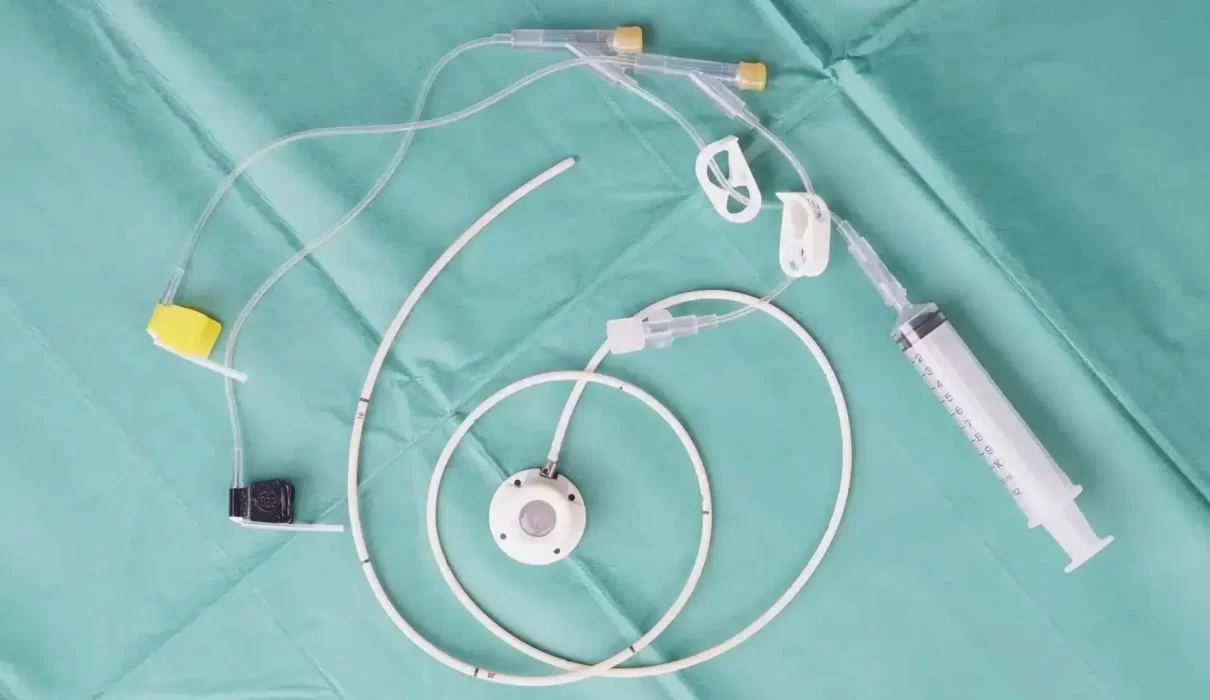
A Bard PowerPort is a small, implantable device placed under the skin, usually in the chest, to give clinicians repeated access to a patient’s bloodstream for chemotherapy, IV medication, contrast dye, or nutrition. It’s made by Bard Access Systems, now a subsidiary of Becton, Dickinson and Company. A catheter runs from the port into a large vein, and a needle is inserted through the port’s septum instead of starting a fresh IV line at every visit.
Plaintiffs allege that some of these devices, particularly ones built with a polyurethane material called Chronoflex AL, are prone to failure. Court filings describe a theory involving barium sulfate, an additive mixed into the catheter material so it shows up on X-rays. According to plaintiffs’ experts, uneven dispersion of that additive can leave microscopic voids and surface defects that weaken the catheter over time and give bacteria a place to take hold. Other cases involve silicone and Groshong-style catheters and allege straightforward fracture defects rather than material degradation.
Lawsuits also claim Bard knew about elevated fracture and infection rates for years, through its own adverse event data and internal engineering discussions, and kept selling the devices without adequately warning doctors or patients.
Bard PowerPort Lawsuit Update August 2026
The Bard implanted port litigation is moving fast this year. Here’s where things stand.
Case Count Keeps Climbing
Federal filings in MDL No. 3081, overseen by Judge David Campbell in the District of Arizona, now number well over 3,700 more than 1,000 of those were added since January 2026 alone. All cases are coordinated for pretrial discovery and expert rulings; each plaintiff still has to prove their own device, injury, and damages.
The First Trial Was a Split Decision
The opening bellwether trial, an infection case, wrapped up in May 2026. Jurors sided with Bard on failure-to-warn and consumer fraud claims, but couldn’t reach a unanimous verdict on the central design defect question. That’s a mixed result, not the clean defense win it’s sometimes framed as the core defect theory is still unresolved and will be tested again.
Fracture Trial Now Underway
An August 18, 2026 trial covers the litigation’s first catheter fracture claim, involving a silicone Groshong device. A separate trial is scheduled for October 13, 2026, and the court currently has five bellwether trials on the calendar running through February 2027. Each verdict will shape how both sides value the thousands of remaining claims.
Where Settlement Talks Stand
No global Bard PowerPort settlement has been announced as of this update. That’s normal at this stage of a mass tort serious settlement talks typically start only after a handful of bellwether verdicts give both sides real data on what a jury will do with fracture, infection, and thrombosis claims.
Is There a Bard PowerPort Recall?
Not in the traditional sense. There’s no FDA Class I recall pulling PowerPort devices off the market. That’s a common point of confusion for anyone searching for a bard power port recall the legal claims move forward through product liability litigation, not a recall process. The devices were cleared through the FDA’s 510(k) pathway, which only asks whether a device is similar enough to something already sold it isn’t a safety finding, and the court in this MDL has specifically barred Bard’s expert from suggesting otherwise to a jury.
Common Bard PowerPort Problems
The injuries described across thousands of complaints tend to fall into a handful of recurring categories:
- Catheter fracture — the tubing cracks or separates while still implanted, sometimes traveling through the bloodstream
- Migration and embolization — a broken piece moves toward the heart or lungs and has to be surgically retrieved
- Infection, sepsis, or endocarditis — bacteria colonize the device surface, sometimes forcing removal and IV antibiotics
- Deep vein thrombosis or pulmonary embolism — a blood clot forms around the catheter and can travel to the lungs
- Vascular perforation or internal bleeding — the catheter damages a vein or surrounding tissue
Fracture and migration cases tend to be the most straightforward to prove, since imaging and a retrieved device offer objective proof of what happened. Infection and clotting claims are viable too, but cancer treatment, immune suppression, and other medical conditions give the defense more room to argue an alternate cause.
Bard PowerPort Lawsuit Settlement Amounts
No PowerPort cases have settled through a global program yet, so any number you see including the ranges below is an estimate based on comparable device litigation, the injuries alleged in current filings, and how bellwether trials are trending. Treat these as a framework for comparing claims, not a promise.
| Injury Category | Estimated Range | What Moves the Number |
| Catheter fracture, migration, or embolization | $250,000 – $500,000+ | Imaging showing the break, an explanted device, an emergency retrieval procedure, or a permanent vascular injury |
| Deep vein thrombosis or pulmonary embolism | $125,000 – $300,000 | Clot location, hospitalization length, anticoagulation therapy, and whether other risk factors are present |
| Serious infection (sepsis, endocarditis, prolonged hospitalization) | $75,000 – $250,000 | Positive cultures tying the infection to the port, delayed cancer treatment, and length of hospitalization |
| Wrongful death or catastrophic, permanent injury | Evaluated individually | Cause of death, dependents, lost income, and evidence supporting a punitive damages claim |
A jury verdict can run well above these ranges, especially if punitive damages come into play plaintiffs in the current fracture trial argue Bard could have used a stronger catheter material for roughly the cost of a few cents per unit and chose not to. A trial can also end in a defense verdict, as the first bellwether showed on several claims.
Who May Qualify to File a Bard PowerPort Lawsuit?
You may have a claim if you or a family member had a Bard PowerPort, or a related Bard port catheter, implanted and later experienced one of the complications above with medical records connecting the injury to the device. You generally don’t need proof the catheter visibly cracked infection and clotting claims can qualify too, though they typically need stronger supporting medical evidence.
There’s no single nationwide deadline. Filing windows depend on your state’s statute of limitations, when the injury happened, and when it was reasonably discovered. Waiting for a bellwether verdict or a settlement announcement before talking to a lawyer isn’t a strategy it’s a good way to run out the clock.
Evidence That Strengthens a Bard Port Claim
• Implant card, operative report, model and lot number, or hospital purchasing records identifying the device
• Imaging X-ray, CT, ultrasound, or fluoroscopy showing the fracture, migration, or clot
• Removal or retrieval records, including pathology and interventional radiology reports
• Culture results and infectious disease records for infection-related claims
• The explanted device itself, if it still exists and hasn’t been discarded
• Medical bills, lost income records, and documentation of ongoing or permanent limitations
Bard PowerPort Lawsuit FAQ
Is the Bard PowerPort lawsuit a class action?
No. It’s a multidistrict litigation (MDL No. 3081) that consolidates individual lawsuits for shared pretrial discovery and expert rulings. Each plaintiff still has to prove their own device identification, injury, and damages, and any recovery is individual rather than split evenly across a class.
Has anyone actually received a Bard PowerPort settlement?
Not through a global settlement program none has been announced. The first bellwether trial produced a partial defense verdict with no resolution on the core design defect claim, and the outcome of the ongoing fracture trials should give both sides a clearer basis for settlement negotiations.
What’s the average Bard PowerPort lawsuit settlement amount?
There’s no confirmed average yet because no cases have resolved through a settlement program. Based on comparable litigation and the injuries alleged, fracture and migration claims are generally projected in the $250,000–$500,000+ range, with infection and thrombosis claims typically lower, depending on severity.
Has there been a Bard PowerPort recall?
No FDA recall has been issued for the PowerPort line. The claims are being pursued as product liability lawsuits rather than through a recall process.
What are the most common Bard PowerPort problems reported in lawsuits?
Catheter fracture, migration or embolization, infection (including sepsis and endocarditis), deep vein thrombosis, pulmonary embolism, and vascular perforation are the complications most frequently described in filed complaints.
How long do I have to file a Bard PowerPort lawsuit?
It depends on your state’s statute of limitations and when your injury was discovered, so there isn’t one universal deadline. Because these windows can be shorter than people expect, it’s worth having your medical records reviewed sooner rather than later.

Adam Fermin
Chief Editor of Attorneys Magazine. Adam oversees the selection and verification of legal, marketing, and technology content. He focuses on distilling complex industry updates into actionable insights, ensuring every editorial piece meets the highest standards of accuracy, relevance, and professional quality.