
 By
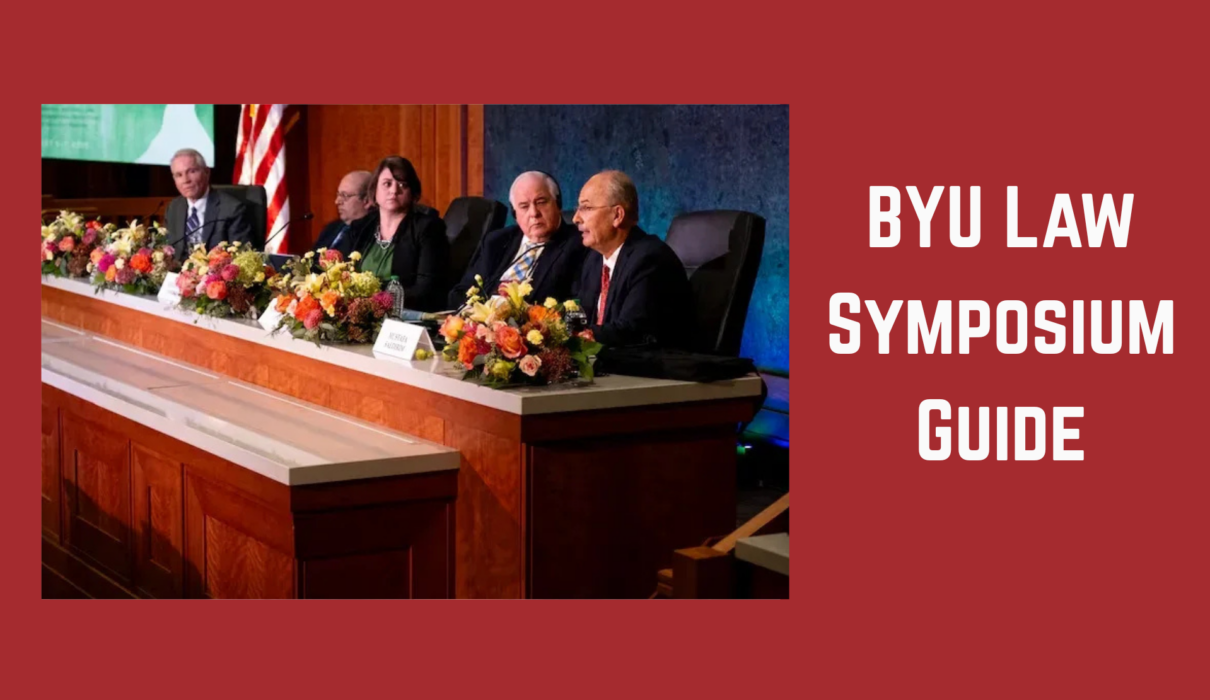
Brigham Young University’s J. Reuben Clark Law School hosts “Researching Vulnerable Communities” over two days, November 12 through 13, 2026, in Provo, Utah. The symposium focuses on legal research and advocacy methods centered on populations that often fall outside the reach of standard legal protections: low-income families, individuals with disabilities, unaccompanied minors, survivors of domestic violence, and other groups whose legal needs tend to require more than a straightforward application of existing law.
Research methodology sits at the heart of this symposium in a way that distinguishes it from more doctrine-focused academic conferences. Studying vulnerable populations well requires careful attention to methodology, how researchers gain trust with communities that often have good reason to distrust institutions, how to collect data ethically without further burdening people already navigating difficult circumstances, and how to translate research findings into advocacy strategies that actually move courts, legislatures, or agencies to act. Sessions are expected to address these methodological questions directly alongside substantive legal topics.
Substantively, the symposium likely covers a range of practice areas where vulnerability intersects with legal need: family law matters involving domestic violence and child welfare, disability rights and access to public benefits, housing instability and eviction defense, and the particular challenges facing immigrant communities navigating both civil and criminal legal systems simultaneously. BYU Law has built a research profile in family law and child and family policy specifically, which likely shapes a meaningful portion of the agenda.
For legal aid attorneys and public interest practitioners, academic research presented at symposia like this one often translates directly into practice. Empirical research documenting how a particular policy affects a vulnerable population can become the evidentiary backbone of impact litigation or legislative advocacy, and attorneys working on systemic reform efforts benefit from staying current on which research methods and findings are gaining traction within the academic community.
Clinical law professors and students involved in legal clinics focused on vulnerable populations will find particular value here as well. Clinical legal education increasingly emphasizes training students not just in doctrine but in client-centered advocacy for people facing compounding legal and social challenges, and a symposium built specifically around research methodology for this population offers direct pedagogical value that students can carry into clinic work immediately.
Full symposium details, including the schedule across both days, are available through the AALS Upcoming Symposia calendar, which lists the event alongside other academic programming hosted by AALS member schools.
Attorneys working with vulnerable clients on record clearing and reentry issues, a recurring theme in advocacy for low-income and justice-involved populations, may also find value in Attorneys Mag’s guide on who qualifies for record sealing in the United States, which addresses a practical legal need that frequently affects the same populations this symposium examines through a research lens.
What makes “Researching Vulnerable Communities” worth attending, even for attorneys who do not consider themselves academics, is its emphasis on translating research into usable advocacy tools. Legal aid organizations and public interest law firms are often stretched thin on resources for original research, and a symposium that surfaces current scholarship on vulnerable populations gives practitioners a faster way to ground their advocacy in solid empirical footing rather than starting from scratch with every new case or campaign.
Last updated on: November 3, 2026