
 By
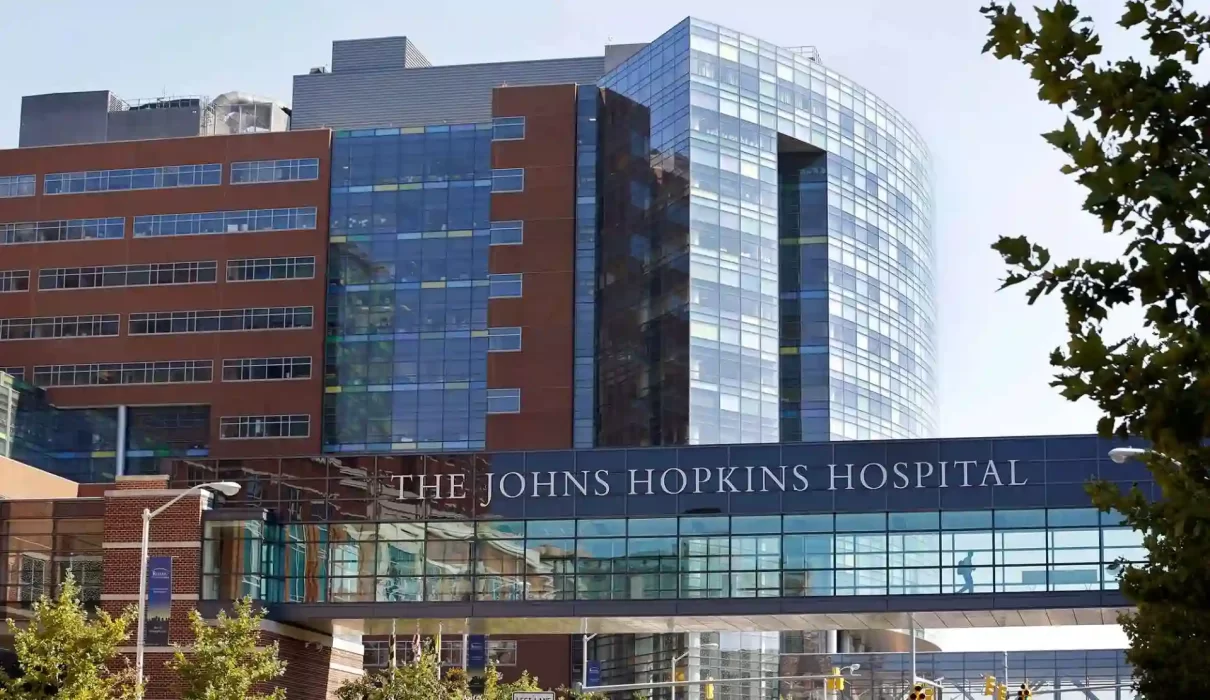
By The Johns Hopkins lawsuit brought by the Kowalski family has taken several turns since a Florida jury awarded them more than $200 million in November 2023. The case, widely known through the Netflix documentary Take Care of Maya, is no longer defined by that verdict alone. An appeals court has since thrown it out, the family has taken the fight to the Florida Supreme Court, and a separate legal battle has opened up against their former attorneys.
Anyone searching for a current Kowalski lawsuit Johns Hopkins update should start with this: the 2023 jury award is not the final word. The case is now working through a second round of appellate review, with a retrial expected sometime in 2027.
What Is the Johns Hopkins Lawsuit About?
The case centers on Maya Kowalski, a Florida child hospitalized at Johns Hopkins All Children’s Hospital in St. Petersburg in 2016. Maya had been experiencing severe pain consistent with complex regional pain syndrome, a chronic condition that produces burning, disproportionate pain, often after a minor injury.
During her hospitalization, staff raised concerns that Maya’s mother, Beata Kowalski, might be causing or exaggerating her daughter’s symptoms, a form of suspected medical child abuse. That report triggered a state child-protection investigation, and Maya was kept separated from her parents for months while it played out.

Beata disputed the allegations throughout and maintained that her daughter’s illness was real. She died by suicide in January 2017, before the investigation concluded.
Two years later, the family sued Johns Hopkins All Children’s Hospital, arguing that the hospital’s staff and the child-protection team assigned to Maya’s case had gone well beyond their reporting obligations and caused lasting harm to the family, including Beata’s death. The 2023 documentary brought the case into millions of homes and turned what had been a regional story into a national one.
What Happened in the 2023 Trial?
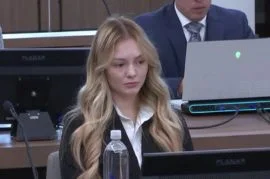
The case went to trial in Sarasota County in the fall of 2023. Jurors heard weeks of testimony about Maya’s hospitalization, the hospital’s internal handling of the abuse report, and the family’s separation.
One of the most closely watched witnesses was Dr. Sally Smith, a physician who worked with the Pinellas County Child Protection Team and had evaluated Maya during the investigation. Smith was originally named as a defendant in the case but was later dropped from the lawsuit after reaching a separate $2.5 million settlement with the Kowalskis, a detail that is often left out of coverage focused only on the hospital verdict.
Smith testified for the defense in October 2023. She said she had been brought in to assess whether Maya’s symptoms were consistent with a genuine medical condition, that she saw Maya twice for roughly ten minutes each visit, and that she did not write an order or progress note in Maya’s chart. She also disputed the family’s account of how she introduced herself during their meetings, testifying that she wore professional clothing and a hospital ID badge rather than a white lab coat.
After sixteen hours of deliberation, the jury found Johns Hopkins All Children’s Hospital liable on nearly every count, including false imprisonment, battery, fraudulent billing, wrongful death and intentional infliction of emotional distress. Jurors awarded roughly $211 million in compensatory damages plus $50 million in punitive damages, for a total of about $261 million. The trial judge later trimmed that figure to approximately $213.5 million after post-trial motions.
Did Maya Kowalski Win Her Case?
Yes, at trial, but the answer has gotten more complicated since. The jury sided with the Kowalski family in 2023, and for a while the case looked settled. That changed in October 2025, when Florida’s Second District Court of Appeal reversed the judgment.
The three-judge panel found that the trial court had misapplied Florida’s child-abuse-reporting immunity statute, a law meant to shield hospitals and mandated reporters who act in good faith when they suspect abuse. The appellate opinion, running 47 pages, held that several claims, including the false imprisonment claim tied to Maya’s initial hospital stay, should have been dismissed under that immunity before the case ever reached a jury.
Importantly, the reversal was not a total wipeout. The panel sent the case back for a new trial on a narrower set of claims: Maya’s own emotional distress claim, along with the portions of the false imprisonment, battery and medical negligence claims that survived the immunity ruling. Punitive damages, tied to the claims that were dismissed, are no longer part of the case in their original form.
So the accurate summary is this: Maya Kowalski won the original trial, the verdict was later reversed on appeal, and a scaled-down version of the case is now headed toward another jury.
How Much Did Maya Kowalski Win?
Several figures have circulated in coverage of the case, and it helps to lay them out in order.

- 2023 jury verdict: approximately $261 million, combining compensatory and punitive damages
- Reduced trial court judgment: approximately $213.5 million, after the trial judge granted post-trial reductions
- October 2025 appellate ruling: the judgment was reversed in full and the case sent back for a limited retrial
- Current status: none of the above figures represents money the family has actually recovered
Describing the case as one where Maya “won $200 million” is no longer accurate. The verdict was real, but it was not the final outcome, and the claims that remain in the case carry a different damages picture than the original trial did.
The Florida Supreme Court Is Now Involved
This is the part of the story that most coverage has missed. After the Second District Court of Appeal reversed the verdict, the Kowalski family did not simply accept a retrial on the narrower claims. In early 2026, Maya and her father, Jack Kowalski, petitioned the Florida Supreme Court to review the appellate decision, arguing that it conflicts with rulings from other Florida appellate districts on how the child-abuse immunity statute should be applied.
That petition is docketed as SC2026-0204. Jurisdictional briefs were filed on March 18, 2026, and as of this writing the Florida Supreme Court has not decided whether it will take up the case. If the court agrees to hear it, the timeline for any retrial could shift substantially, since a retrial on the surviving claims would likely wait for the Supreme Court’s ruling on the underlying immunity question. If the court declines review, the case proceeds toward the 2027 retrial as currently scheduled.
This is a meaningful fork in the case, and it is worth watching closely alongside the retrial itself.
The Separate Fight With the Family’s Former Attorneys
A second legal front opened in June 2026, when Maya Kowalski and her father sued their former attorneys, Gregory and Jennifer Anderson of the firm GlennAnderson, who represented the family through the 2023 trial.
The lawsuit alleges improper handling of funds, excessive fees, and breaches of professional and fiduciary duty. At the center of the dispute is an approximately $42 million litigation-financing advance the family took out during the case. According to the complaint, the Kowalskis have since defaulted on that loan and are now being charged 16 percent interest on the outstanding balance. The suit also includes allegations that funds tied to the case were used for personal expenses unrelated to the litigation.
The Andersons have denied wrongdoing. In a public statement, Jennifer Anderson said the firm categorically denies the allegations and pointed to the eight years the firm spent on the case.
This dispute is legally and procedurally separate from the claims against Johns Hopkins All Children’s Hospital. It does not affect the hospital litigation directly, but it does affect what the family may ultimately keep from any future recovery, and it has become part of the broader public narrative around the case.
Is There a Johns Hopkins Class Action Involving Maya Kowalski?
No. The Kowalski case is an individual lawsuit involving one family and one hospital. It has never been certified, or filed, as a class action.
Separate class actions do exist against Johns Hopkins entities on unrelated matters, including litigation tied to a 2023 data breach at Johns Hopkins University and the health system, and an earlier class action over tuition and fees during the Spring 2020 semester. Neither has any connection to the Kowalski litigation. Readers researching a broader “Hopkins lawsuit” should keep these separate, since the Johns Hopkins name covers a large university and hospital system with its own set of unrelated legal matters.
When Is the Maya Kowalski Retrial?
Barring a Florida Supreme Court intervention, the next trial is expected in 2027. It will not be a repeat of 2023. The scope has narrowed to the claims the Second District Court of Appeal allowed to survive: Maya’s emotional distress claim and the remaining portions of the false imprisonment, battery and medical negligence claims. Punitive damages, as awarded in 2023, are not part of the case as it currently stands.
Reports on the case have also noted that mediation between the parties did not produce a settlement, which is part of why the matter is still headed toward a courtroom rather than a resolution.
Why This Case Still Matters
Strip away the dollar figures and the case comes down to a hard legal question: how should courts weigh the conduct of hospitals and child-protection professionals who report suspected abuse, when the family disputes the underlying medical judgment entirely.
Florida’s immunity law exists to protect mandated reporters acting in good faith, on the theory that hospitals and doctors should not face crushing liability every time they flag a possible case of child abuse. The Kowalski family’s position is that this protection cannot shield conduct that goes beyond a good-faith report, including how a family is treated once an investigation is underway.
The Second District’s ruling sided with the hospital’s reading of the immunity statute for most of the original claims. Whether the Florida Supreme Court agrees, and what a jury eventually decides about the claims that remain, will shape how similar cases are litigated in Florida going forward. This is one reason the case continues to draw attention well beyond the original headline verdict, and it is a useful example of how torts and civil liability claims intersect with statutory immunity defenses in medical settings.
What Happens Next
Three threads are worth tracking as this case moves forward:
- Whether the Florida Supreme Court agrees to review the Second District’s reversal under docket SC2026-0204
- The scope and scheduling of the 2027 retrial on the surviving claims against Johns Hopkins All Children’s Hospital
- The outcome of the separate lawsuit against the family’s former attorneys over the litigation-financing advance and fee handling
The family’s 2023 jury verdict remains a significant part of this case’s history, but it is history, not the current legal status. Readers following hospital liability and medical negligence litigation more broadly may also find it useful to compare how other medical malpractice claims involving hospitals and providers work their way through the courts, and how class action litigation against healthcare-adjacent companies tends to unfold on a different, often faster track than individual civil suits like this one.
Sources
- Court TV, “Take Care of Maya” Trial, Kowalski v. Johns Hopkins All Children’s Hospital
- Court TV, “Take Care of Maya” Family Accuses Attorneys of Taking Millions for Boats, Houses
- Florida Politics, Court Overturns $213M “Take Care of Maya” Verdict, Citing Hospital’s Child Abuse Immunity
- LegalClarity, Kowalski vs. Johns Hopkins: Lawsuit, Verdict, and Appeal
- FOX 13 News, ‘Take Care of Maya’: Jury Finds Johns Hopkins All Children’s Hospital Liable
- People, Hospital at Center of “Take Care of Maya” Won’t Have to Pay Family After Mom’s Suicide
- FindLaw, Johns Hopkins Hospital to Pay $261 Million to Kowalski Family
Last Updated August 19,2026

Hazel Isabella
Editor at Attorneys Magazine. Hazel Isabella oversees editorial content covering legal news, legal marketing, attorneys’ perspectives, and other topics related to the legal industry. She is committed to delivering accurate, high-quality content and collaborates with legal professionals and writers to create informative articles on a wide range of legal subjects.