
 By
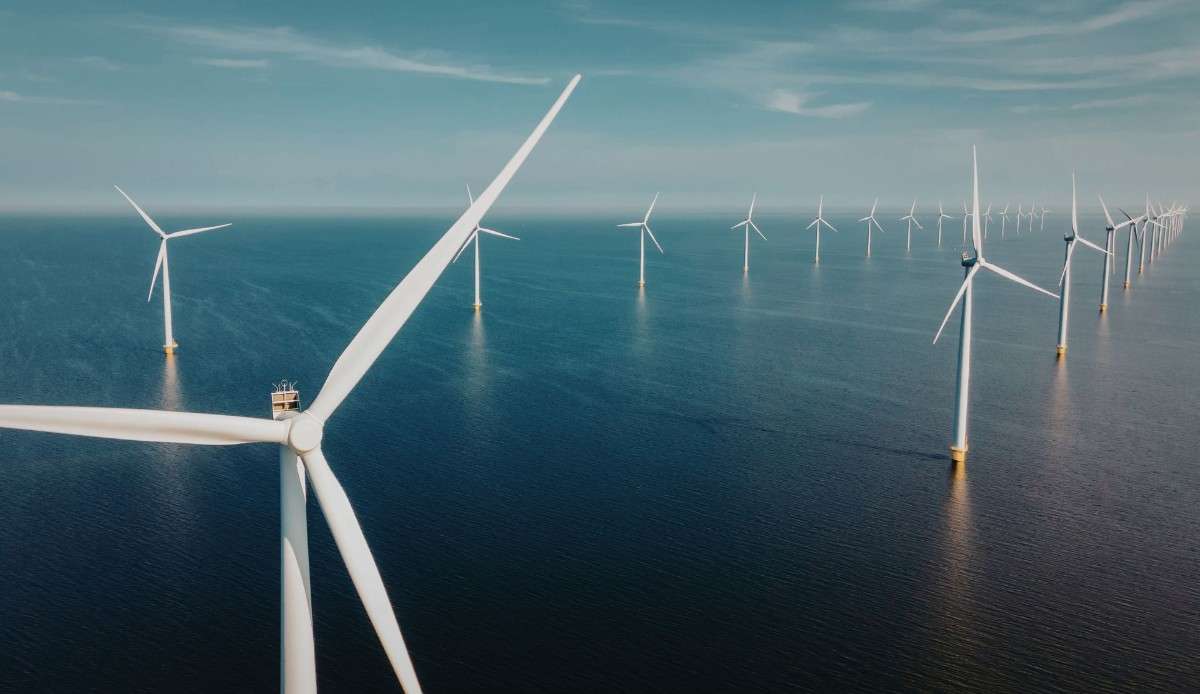
By In a deal that has sparked fierce legal and political debate, the Trump administration has agreed to pay nearly $1 billion in taxpayer funds to French energy giant TotalEnergies in exchange for the company abandoning its plans to develop offshore wind farms in the Atlantic Ocean. Rather than build clean energy, TotalEnergies will now channel that money into liquified natural gas (LNG) infrastructure and oil drilling operations in the United States.
The settlement raises fundamental questions about government contract law, the use of federal leases, taxpayer protections, and the growing legal fight over America’s energy future. This is reportedly the first time the federal government has paid a private company not to build a renewable energy project — a strategy that legal experts say could carry major downstream consequences.
Related Reading on Attorneys Magazine
The deal intersects with broader debates around government contracting and energy accountability. See our coverage of Environmental Liability in the Spotlight: Developments in PFAS Water Contamination Lawsuits — another case where corporate decisions about energy and chemicals have led to major legal and financial exposure.
What the TotalEnergies Deal Actually Involves
Under the arrangement announced on March 23, 2026, the U.S. Department of Justice will reimburse TotalEnergies approximately $1 billion — the amount the company spent purchasing federal offshore wind leases during the Biden administration. Those leases covered development rights for two wind farms off the coasts of New York and North Carolina, which together could have generated more than 4 gigawatts of electricity for American homes and businesses.
In exchange, TotalEnergies CEO Patrick Pouyanné confirmed the company will redirect the funds toward:
- A new liquified natural gas (LNG) plant in Texas to export gas to Europe
- Oil drilling operations in the Gulf of Mexico
- Shale oil development elsewhere in the United States
“Considering that the development of offshore wind projects is not in the country’s interest, we have decided to renounce offshore wind development in the United States, in exchange for the reimbursement of the lease fees.” — TotalEnergies CEO Patrick Pouyanné
The Legal Landscape: Government Contract Law and Federal Leases
At the heart of this controversy is a core question in government contract law: can the federal government use public funds to pay companies to abandon legally-purchased leases? The Biden administration sold those offshore wind leases through a competitive bidding process administered by the Bureau of Ocean Energy Management (BOEM). They were legitimate, binding federal contracts.
Critics argue that by paying back those lease fees, the administration is effectively using taxpayers as a subsidy mechanism to pursue an energy policy preference — one that was never authorized by Congress. Environmental law attorneys note the deal could face legal challenges on several grounds:
- Unauthorized appropriations: Whether the DOJ had the statutory authority to direct nearly $1 billion in public funds toward lease reimbursements without congressional approval.
- Regulatory taking or reversal: Whether blocking companies from using valid federal leases and then paying them to walk away sets a legally problematic precedent for how federal energy policy is administered.
- Competitive fairness: Whether other offshore wind developers who do not have fossil fuel portfolios to offer in exchange are being treated inequitably.
Related Reading on Attorneys Magazine
Questions about how courts evaluate coverage and liability in energy-related disputes are increasingly common. Our piece on How Courts Handle Coverage Disputes Over “Public Nuisance” Lawsuits provides useful context on how legal claims around industry-wide harm are adjudicated.
Energy Policy, Not Just Politics: The Electricity Crunch Context
The timing of the deal is particularly significant. The United States is facing a growing electricity supply crunch, driven by the rapid expansion of power-hungry AI data centers, accelerating vehicle electrification, and a wave of home electrification. Electricity prices in mid-Atlantic states have spiked sharply in recent months as demand outpaces available supply.
Elizabeth Klein, former director of BOEM under the Biden administration, stated that canceling the New York offshore wind project which was poised to add significant generating capacity to an already-strained regional grid “makes no sense at all” given current demand pressures.
Interior Secretary Doug Burgum defended the decision, characterizing offshore wind as one of the “most expensive” and “unreliable” energy sources due to its intermittent nature. However, energy analysts note that offshore wind contracts typically include fixed-price power purchase agreements negotiated with state utilities — meaning electricity costs are locked in, unlike oil and natural gas prices, which fluctuate with global markets.
Who Else Could Be Next? The $5 Billion Question
Legal and financial observers warn the TotalEnergies settlement may be only the beginning. The leases held by companies for undeveloped offshore wind projects off the Atlantic, Pacific, and Gulf coasts are estimated to total more than $5 billion and that figure does not include pre-development costs already incurred by developers.
German renewables company RWE, which paid more than $1.2 billion for three offshore wind leases off the coasts of New York, California, and the Gulf of Mexico, has already signaled it expects reimbursement. Its CEO, Markus Krebber, stated at a recent press conference that if the company is never permitted to build the projects, it fully anticipates recovering its investment through legal action if necessary.
The Interior Department declined to confirm whether it is actively negotiating similar settlements with other companies, but industry insiders say the pressure is mounting across the offshore wind sector.
Industry Reaction: “Political Theater” at Consumers’ Expense
The Oceantic Network, an offshore wind industry trade association, issued a sharp rebuke of the deal. Sam Salustro, the group’s Senior Vice President of Policy and Market Affairs, argued that paying to remove affordable, domestically-produced energy from the development pipeline at a time when electricity prices are surging amounts to a policy decision that directly harms consumers.
Critics also point out a structural asymmetry in the deal: TotalEnergies was uniquely positioned to benefit because it operates an extensive fossil fuel portfolio — giving it something to offer the Trump administration in exchange for the reimbursement. Most standalone offshore wind developers lack that leverage, raising concerns about unequal treatment under federal energy law.
Climate Change Litigation: The Bigger Legal Picture
The decision to actively dismantle renewable energy infrastructure is also attracting the attention of environmental law practitioners. Across the globe — and increasingly in U.S. courts — climate-related litigation is expanding in scope and ambition. Governments and corporations that make energy decisions with long-term climate consequences are facing mounting legal scrutiny.
The Trump administration’s offshore wind cancellation strategy paying fossil fuel companies to relinquish renewable leases could itself become a target for future litigation, particularly if the resulting energy shortfalls lead to demonstrable harm to consumers, municipalities, or state governments that had planned around the capacity those projects would have provided.
Key Legal Takeaways
The Trump administration’s $1 billion TotalEnergies deal marks a significant and potentially precedent-setting shift in how the federal government manages energy policy through existing contract law mechanisms. Among the critical legal questions it raises:
- Whether reimbursing federal lease fees without congressional appropriation is legally permissible
- Whether developers without fossil fuel portfolios have equal recourse for reimbursement
- Whether the policy creates grounds for state or municipal legal action related to energy supply disruptions
- Whether future administrations could face legal barriers to relaunching offshore wind development on previously cancelled leases
With more than $5 billion in outstanding offshore wind leases potentially in play, the legal and financial fallout from this strategy is likely just beginning.
Authority Sources & Further Reading
For readers who want to explore the broader legal and regulatory context of this story, the following authoritative sources provide key background:
- Bureau of Ocean Energy Management (BOEM) — The federal agency responsible for administering offshore energy leases on the Outer Continental Shelf.
- U.S. Department of Energy — Offshore Wind — Official data on offshore wind capacity, development timelines, and energy projections.
- U.S. Energy Information Administration (EIA) — Independent government data on offshore wind power generation and costs.
- The Inflation Reduction Act (IRA), 117th Congress — The legislation that expanded federal incentives for offshore wind development, now being unwound by the current administration.
- National Institute of Environmental Health Sciences — PFAS — For context on how federal energy and environmental decisions intersect with long-term public health and legal liability.
