
 By
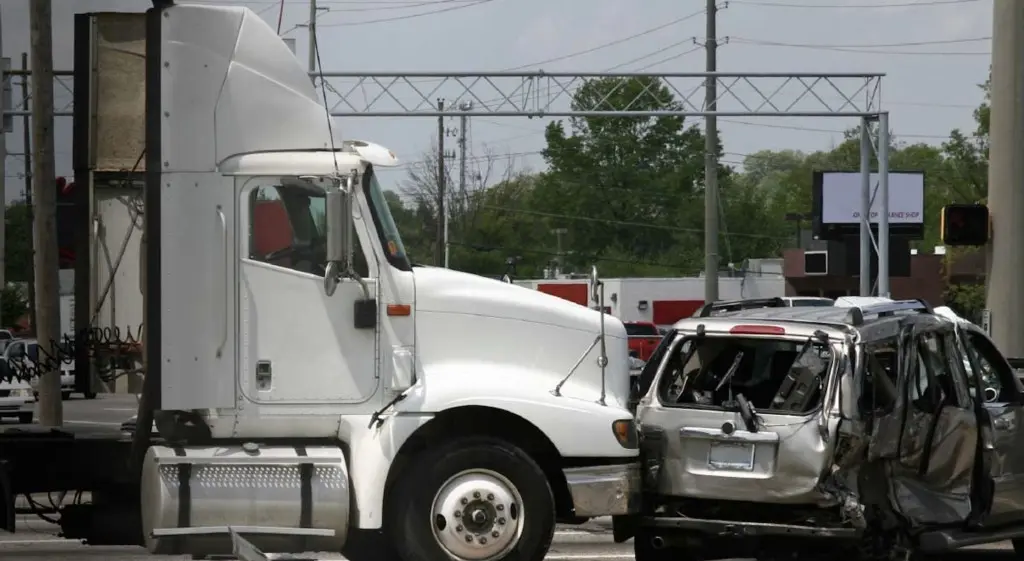
By Most people know that a fully loaded semi-truck is dangerous. But fewer people understand that a bobtailing truck a tractor-trailer cab operating without its trailer can be just as deadly, and in some ways even harder to control. When a bobtailing accident occurs, victims often face a maze of overlapping insurance policies, disputed liability between drivers and carriers, and legal defenses that differ significantly from those in standard commercial trucking cases.
This complete bobtail accident claims guide breaks down everything you need to know: what bobtailing is, why it creates unique hazards, who can be held responsible under the law, how insurance coverage works, and what victims must do to build a successful claim.
What Is Bobtailing and Why Is It Dangerous?
Bobtailing refers to the operation of a semi-truck tractor without a trailer attached. This is a common occurrence in the trucking industry drivers routinely bobtail after dropping off a load, while repositioning to pick up a new shipment, or when returning to a terminal at the end of a shift. It is legal, routine, and largely unavoidable in commercial freight operations.
What makes bobtailing hazardous is a counterintuitive engineering reality: a semi-truck cab is actually less stable and harder to stop without a trailer than with one. The truck’s braking system is engineered to distribute stopping force across both the tractor and a loaded trailer. When the trailer is absent, the rear axles of the cab carry almost no weight, causing the brakes to lock up and the cab to skid far more easily especially on wet or icy roads.
Beyond braking, the absence of a trailer eliminates a significant source of weight and drag that normally stabilizes the vehicle. A bobtailing cab has a high center of gravity relative to its wheelbase, making it prone to jackknifing, sliding, and swaying in ways that are unfamiliar even to experienced drivers. Federal Motor Carrier Safety Administration (FMCSA) data consistently shows that bobtail maneuvers contribute to a disproportionate share of serious trucking accidents relative to the miles driven.
Related on Attorneys Magazine
Commercial vehicle liability is evolving rapidly as courts scrutinize fleet safety practices more closely. For parallel context on how institutional negligence is assessed in high-stakes accident litigation, read: Environmental Liability in the Spotlight: Developments in PFAS Water Contamination Lawsuits.
Why Bobtailing Accidents Happen
Bobtailing accidents do not happen randomly. They tend to cluster around identifiable causes most of which involve some combination of driver error, inadequate training, and systemic pressure within the trucking industry to move quickly between loads.
The most common causes identified in post-crash investigations include driver unfamiliarity with bobtail handling characteristics, failure to increase following distance to compensate for reduced braking performance, excessive speed relative to road and weather conditions, fatigued driving after completing a long haul, and mechanical defects in the tractor’s braking or suspension systems. In many cases, a bobtailing accident that appears to be simple driver error actually reflects a broader failure by the trucking company, a maintenance contractor, or the shipper who set the driver’s unrealistic schedule.
Who Can Be Held Liable in a Bobtail Accident?
One of the defining features of any strong bobtail accident claims guide is an honest accounting of how complex liability can be in these cases. Unlike a standard car accident with two drivers and two insurers, a bobtailing crash can involve multiple legally responsible parties and identifying all of them is essential to recovering full compensation.
Potentially Liable Parties in a Bobtailing Accident
- The Truck Driver: The most obvious defendant. Drivers have a duty to adjust their speed, following distance, and braking technique to account for bobtail conditions. Speeding, distracted driving, fatigue, or failure to adapt to weather are all forms of driver negligence.
- The Trucking Company (Motor Carrier): Under the legal doctrine of respondeat superior, employers are typically responsible for the negligent acts of their employees while on the job. Even when a driver is classified as an independent contractor, carriers may still be liable if they retained sufficient control over the driver’s operations.
- The Truck Owner (if different from the carrier): In the trucking industry, the owner of the tractor and the company operating it are sometimes different entities. If a mechanical defect such as faulty brakes contributed to the crash, the owner bears responsibility for proper maintenance.
- A Maintenance or Repair Contractor: If a third-party shop performed brake, suspension, or tire work on the tractor shortly before the accident, and that work was negligently performed, the repair contractor may share liability.
- The Truck or Parts Manufacturer: If a defective component a brake system, a tire, or a steering part failed and caused or contributed to the crash, a product liability claim against the manufacturer may be viable independent of driver or carrier negligence.
- A Government Entity: In cases where poorly maintained road surfaces, missing signage, or defective highway design contributed to the crash, a claim against the responsible government agency may be available though strict procedural requirements apply.
Pursuing all potentially liable parties simultaneously is not aggressive litigation strategy it is practical necessity. Insurance policy limits for a single defendant are frequently insufficient to cover the full extent of serious injuries. Building a complete picture of liability from the start of an investigation protects victims from finding themselves undercompensated after a settlement or judgment.
The Insurance Problem: Bobtail vs. Non-Trucking Liability
Insurance coverage is one of the most contentious battlegrounds in bobtailing accident claims and one of the primary reasons these cases benefit from experienced legal representation. The key distinction insurers fight over is whether the driver was bobtailing while “in the service of” the motor carrier, or while on “personal use” time between loads.
Primary commercial liability insurance covers the truck while it is being operated in the carrier’s service including deadhead runs and bobtailing between drop-off and pick-up assignments. Bobtail insurance (also called non-trucking liability insurance) is a separate policy that owner-operators typically carry to cover periods when they are operating the truck outside of the carrier’s dispatch such as driving home after completing a run or running personal errands in the cab.
In practice, carriers and insurers frequently dispute which policy applies to a given accident. The carrier’s insurer may argue the driver was off-duty at the time of the crash, pushing the claim to the bobtail policy; the bobtail insurer may argue the driver was actually still under dispatch, shifting responsibility back to the primary carrier policy. Victims can find themselves caught in the middle of this dispute while their medical bills accumulate.
“In a bobtailing case, the first question an insurer asks is whether that driver was under dispatch or on personal time. Your attorney needs to answer that question before the insurer does and with evidence that supports your claim.”
Also on Attorneys Magazine
Insurance coverage disputes in commercial contexts follow patterns that are well-documented in litigation. See our breakdown of how courts navigate contested coverage claims: How Courts Handle Coverage Disputes Over “Public Nuisance” Lawsuits.
How Fault Is Determined in Bobtail Accident Claims
Establishing fault in a bobtailing accident requires assembling a comprehensive body of evidence quickly before records are lost, vehicle data is overwritten, and witnesses become unavailable. Experienced truck accident attorneys treat the post-crash investigation as time-sensitive, often deploying investigators within 24 to 48 hours of retaining a case.
1. The Electronic Logging Device (ELD) and Black Box Data
Modern commercial trucks are required under federal law to carry electronic logging devices that record hours of service and most also carry event data recorders (EDRs) that capture speed, braking, and steering inputs in the seconds before a crash. This data is among the most powerful evidence in any truck accident case. Carriers are legally required to preserve it, but it can be overwritten or lost if a legal hold is not issued promptly. An attorney can send a spoliation letter demanding preservation before evidence disappears.
2. Driver Logs and Dispatch Records
Hours-of-service records establish whether the driver was legally compliant at the time of the crash. Dispatch records help determine whether the driver was under the carrier’s control a critical fact for both liability and insurance coverage purposes. These records also reveal whether the carrier was imposing schedules that made FMCSA hour limits practically impossible to follow.
3. Maintenance and Inspection Records
Federal regulations require motor carriers to maintain records of all inspections, repairs, and maintenance performed on their vehicles. A pattern of deferred brake maintenance or ignored inspection violations can establish that a carrier knew about a mechanical hazard and failed to correct it a fact that supports a finding of gross negligence and potentially punitive damages.
4. Accident Reconstruction
In serious bobtailing cases, accident reconstruction experts analyze physical evidence from the crash scene skid marks, vehicle damage patterns, road conditions, and sight lines to establish the sequence of events and calculate the truck’s speed and braking performance. Reconstruction testimony is often decisive in contested liability cases, particularly when the driver’s account conflicts with the physical evidence.
What Damages Can Victims Recover?
Victims of bobtailing accidents who establish liability are entitled to recover the full range of compensatory damages available under personal injury law. The categories of recoverable losses depend on the facts of the case but typically include both economic and non-economic damages.
- Medical expenses: All past and future costs of treatment, surgery, rehabilitation, physical therapy, and long-term care related to injuries caused by the accident.
- Lost wages and diminished earning capacity: Income lost during recovery, as well as future earnings lost due to permanent disability or reduced work capacity.
- Pain and suffering: Compensation for the physical pain and emotional distress caused by the crash and the injuries it produced.
- Loss of consortium: Damages available to the spouses or family members of seriously injured victims for the loss of companionship, support, and household services.
- Property damage: The cost of repairing or replacing any vehicle or personal property damaged in the collision.
- Punitive damages: In cases involving egregious conduct such as a carrier that knowingly allowed a fatigued driver to operate a truck with defective brakes courts may award punitive damages beyond compensatory losses to deter future misconduct.
Because commercial trucking cases often involve serious or catastrophic injuries spinal cord damage, traumatic brain injury, amputations the total value of a well-documented bobtailing claim can be substantial. This is precisely why carriers and their insurers resist these claims aggressively from the moment of loss.
Why You Need a Truck Accident Attorney for a Bobtail Claim
Bobtailing accident cases are not standard personal injury matters. They involve federal regulations, specialized insurance structures, multiple potential defendants, and technical evidence that requires expert analysis to present effectively. Attempting to navigate a serious bobtail claim without legal representation or with an attorney who lacks specific truck accident experience is a costly mistake.
An experienced truck accident attorney brings capabilities that cannot be replicated by a general personal injury lawyer or a pro se claimant. These include an understanding of FMCSA regulations and how violations translate into legal liability, established relationships with accident reconstruction specialists and medical experts, the ability to litigate aggressively against well-resourced carrier defense teams, and the knowledge to identify all insurance policies implicated by the claim and force coverage disputes to resolution.
The contingency fee model means that most reputable truck accident attorneys charge no upfront fee they are paid only if and when they recover compensation on your behalf. There is no financial barrier to retaining qualified counsel, and the difference in outcomes between represented and unrepresented claimants in commercial trucking cases is well-documented.
Statutes of limitations apply to bobtailing accident claims just as they do to any personal injury case. Depending on the state, you may have as little as two years from the date of the accident to file suit and the time to gather evidence, identify defendants, and build a case takes months. Waiting is the single most damaging thing an accident victim can do.
The Bottom Line: Bobtailing Liability Is Complicated Your Claim Doesn’t Have to Be
Bobtailing accidents produce some of the most legally complex claims in commercial vehicle litigation. The vehicle’s unusual handling characteristics, the layered insurance structure of the trucking industry, and the multiple parties who may share responsibility all create obstacles that insurance companies understand and exploit. Victims who approach these claims without a clear strategy and qualified legal support routinely recover far less than they are entitled to.
The most important thing to understand from this bobtail accident claims guide is that the strength of your claim depends almost entirely on what happens in the days immediately after the crash. Evidence is preserved or lost. Liability is framed or conceded. Coverage positions are established. If you or someone you know has been injured in a bobtailing accident, the first step before speaking with any insurer, before signing any document, and before the critical window for evidence preservation closes is to consult with an attorney who specializes in commercial trucking litigation.
Authority Sources & Further Reading
- Federal Motor Carrier Safety Administration — 49 CFR Part 392: Driving of Commercial Motor Vehicles — Federal operating regulations governing commercial truck drivers, including hours of service and vehicle condition requirements.
- FMCSA — Large Truck and Bus Crash Facts (Annual) — Official federal data on commercial vehicle crashes, fatalities, and injury trends.
- U.S. Department of Transportation — Truck Safety — The federal government’s overview of commercial truck safety programs, enforcement actions, and regulatory guidance.
- Insurance Institute for Highway Safety — Large Trucks — Research on crash patterns, fatality rates, and safety technology in commercial trucking.
- National Transportation Safety Board — Trucking Investigations — NTSB investigation reports and safety recommendations resulting from major commercial vehicle accidents.
- Commercial Motor Vehicle Safety Act — Congress.gov — Primary federal legislation governing the commercial trucking industry and operator safety standards.
