 By
By CeraVe, owned by French cosmetics giant L’Oreal, is currently facing SIX active class action lawsuits in the United States. The lawsuits allege that CeraVe acne products containing benzoyl peroxide are contaminated with benzene — a chemical the World Health Organization classifies as a known human carcinogen with no safe level of exposure. Independent lab tests in 2024 found benzene levels in CeraVe products ranging from 5 to over 12 parts per million (ppm), far above the FDA’s 2 ppm threshold. The most recent lawsuit was filed on May 14, 2026, in the Eastern District of New York. As of June 2026, no recall has been ordered and no settlement has been reached. Litigation is ongoing and active.
Millions of Americans use CeraVe acne products every day, trusting that what they put on their skin is safe. But a growing wave of lawsuits backed by independent laboratory testing now suggests that some of those products may carry a hidden danger: benzene, a chemical that has been conclusively linked to cancer in humans.
What started as one lawsuit in Hawaii in March 2024 has grown into six separate class action cases filed across multiple U.S. federal courts, with the most recent filing arriving in May 2026. In June 2026, the topic went viral on social media, bringing fresh attention to a legal battle that has been quietly building for over two years.
This article covers everything you need to know what the CeraVe lawsuit alleges, which products are named, who the plaintiffs are, the full 2026 timeline, and what you can do if you used these products.
What Is the CeraVe Lawsuit About?
The CeraVe lawsuit centers on a common acne-fighting ingredient called benzoyl peroxide, found in cleansers, washes, and creams. For decades, doctors and dermatologists have recommended it as a front-line treatment for mild to moderate acne.
The problem, according to the lawsuits, is that benzoyl peroxide breaks down into benzene over time particularly when products are exposed to heat. This can happen during shipping in warm trucks, storage in a hot car, or even during normal bathroom use at body temperature (37°C / 98.6°F). Valisure, an independent Connecticut-based pharmacy and testing lab, documented benzene formation at body temperature, at 50°C (standard pharmaceutical stability testing temperature), and at 70°C (the temperature inside a parked car in summer).
Benzene is a known human carcinogen. The World Health Organization has stated there is no safe level of benzene exposure. The FDA considers any drug product with more than 2 parts per million (ppm) of benzene to present unacceptable toxicity. Valisure’s testing found CeraVe products with benzene levels between 5 and over 12 ppm multiple times above that threshold.
Who Makes CeraVe? The L’Oreal Connection
CeraVe was founded in 2005 and acquired by L’Oreal in 2017. L’Oreal USA, Inc. the U.S. arm of French cosmetics giant L’Oreal S.A. is the named defendant in all six lawsuits as the CeraVe parent company and manufacturer.
L’Oreal is simultaneously under pressure from the ongoing hair relaxer lawsuit, which alleges that certain L’Oreal hair straightening products are linked to uterine and ovarian cancer in women. The CeraVe benzene litigation adds significantly to the legal and reputational pressure on L’Oreal across its entire U.S. brand portfolio.
| Related Readings In Attorneys Magazine Celsius Energy Drink Lawsuit Intoxalock Lawsuit Alani Energy Drink Lawsuit |
CeraVe Lawsuit 2026: Six Active Cases — Who Filed and When?
The litigation began in early 2024 and continued into 2026. Here is what is known about the individual filings:
| March 8, 2024: | Jennifer Snow files the first lawsuit in Hawaii — the earliest known filing after Valisure published its test results. |
| March 15, 2024: | Holly Grossenbacher files in Louisiana — Grossenbacher v. L’Oreal USA, Inc. (Case No. 2:24-cv-00663, E.D. La.). This became the most widely cited early case. |
| March–April 2024: | Ellen Painter and Robert Hightower file in Missouri. Additional class action lawsuits filed in several other U.S. states as plaintiffs’ attorneys respond to the Valisure report. |
| Mid-2024: | Plaintiffs seek Multidistrict Litigation (MDL) consolidation for coordinated pretrial proceedings. |
| Late 2024: | The Judicial Panel on Multidistrict Litigation (JPML) declines to consolidate into a single MDL. Cases proceed in their individual courts. |
| May 14, 2026: | Bibi Khan, a consumer from Nassau County, New York, files a new class action in the U.S. District Court for the Eastern District of New York — the sixth known case and the most recent filing. |
| June 2026: | The lawsuits go viral on social media. Fact-checkers confirm: six class action lawsuits are active and ongoing. No recall, no settlement. |
| CeraVe Lawsuit Update — June 2026 As of June 2026, six class action lawsuits are confirmed active against L’Oreal over CeraVe benzoyl peroxide acne products. The most recent case (Khan v. L’Oreal, E.D.N.Y.) was filed May 14, 2026. No settlement has been announced. No official recall is in effect. The FDA has not yet mandated corrective action. |
CeraVe Lawsuit Products: Which Products Are Named?
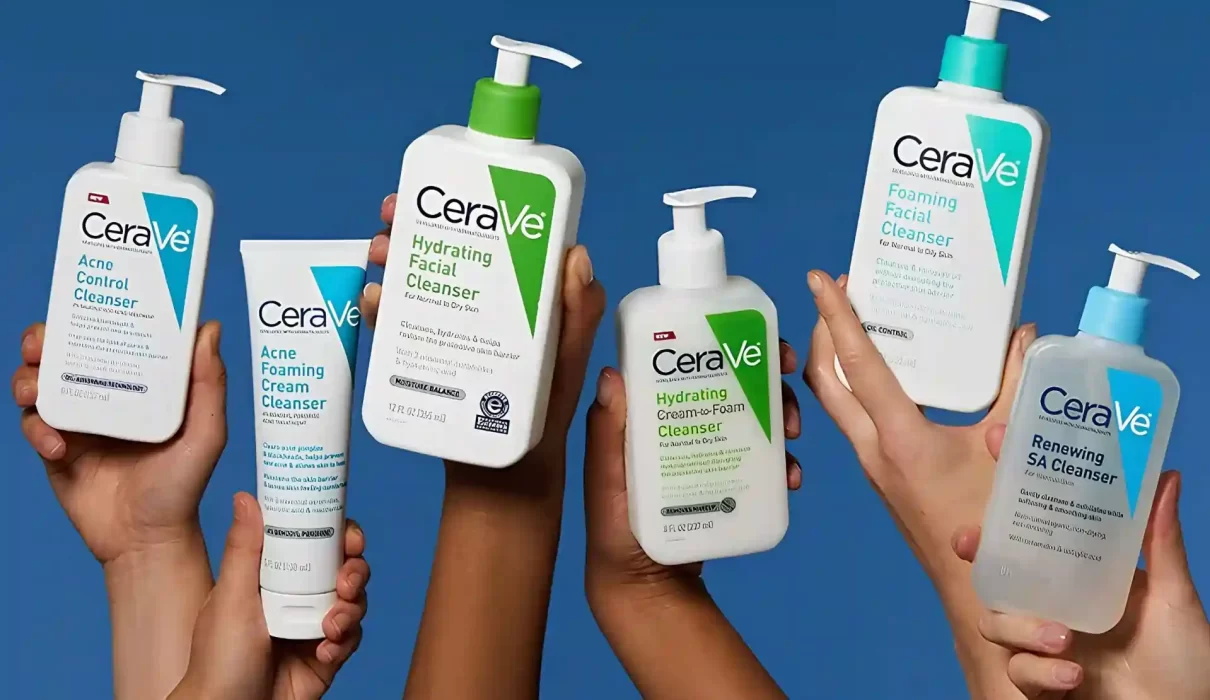
The lawsuits focus specifically on CeraVe acne treatment products that use benzoyl peroxide as an active ingredient. The primary products named in the filings include:
- CeraVe Acne Foaming Cream Cleanser – 4% benzoyl peroxide
- CeraVe Acne Foaming Cream Wash – 10% benzoyl peroxide
- Other CeraVe acne treatment products containing benzoyl peroxide
It is important to note that the lawsuits do not cover the entire CeraVe product line. Standard CeraVe moisturizers, hydrating cleansers, eye creams, and other non-acne products are not named in these claims. The lawsuits are limited to products that contain benzoyl peroxide as the active ingredient.
Valisure’s broader benzoyl peroxide recall list covered 66 acne products from multiple brands. CeraVe products were among those with the highest reported benzene readings. L’Oreal’s other acne brand, La Roche-Posay, has also been referenced in related complaints.
CeraVe Lawsuit Allegations: What Are Consumers Claiming?
1. Failure to Warn
Scientific literature has documented that benzoyl peroxide can degrade into benzene for decades. The lawsuits allege that L’Oreal knew or absolutely should have known about this risk. Yet CeraVe product labels carry no warning about benzene formation. Plaintiffs say this omission is the heart of the case: consumers were never given the information they needed to make a safe choice.
2. Selling Adulterated and Illegal Products
Under federal law, a drug product containing more than 2 ppm of benzene is legally adulterated and cannot be sold. The lawsuits allege that L’Oreal violated this rule by continuing to market and sell CeraVe acne products without testing for benzene contamination products that, according to Valisure’s testing, far exceeded the legal limit.
3. Deceptive Marketing
CeraVe aggressively markets its products as dermatologist-recommended and clinically safe. The lawsuits argue this marketing was misleading. Consumers who would not have purchased the products or who would have demanded a lower price had they known about the benzene risk are seeking refunds and damages.
4. Negligent Manufacturing
The complaints argue that L’Oreal had the ability to change raw ingredients or the manufacturing process to prevent benzene formation entirely. By not doing so, the lawsuits allege, L’Oreal was negligent in its duty to the consumers affected by CeraVe benzoyl peroxide products.
CeraVe Cancer Lawsuit: What Are the Real Health Risks?
The CeraVe cancer lawsuit allegations are grounded in well-established science. Benzene exposure has been conclusively linked to:
- Acute myeloid leukemia (AML) — the strongest and most established link
- Other blood cancers including lymphoma and myelodysplastic syndrome
- Bone marrow failure and immune system damage
- Long-term suppression of red and white blood cell production
When applied to the skin daily as part of an acne routine, benzene can be absorbed directly into the bloodstream. Skin is a highly permeable tissue, and dermal absorption of benzene is a recognized exposure route in occupational medicine. The lawsuits argue that daily application of contaminated skincare products creates a comparable pattern of exposure to what workers in certain industrial settings experience.
The lawsuits do not claim that every user of a CeraVe acne product will develop cancer. They allege that L’Oreal deprived people of the ability to make an informed risk decision and that those consumers deserve compensation for that.
Benzoyl Peroxide FDA Position: Where Does the Regulator Stand?
The FDA has not issued a mandatory recall of CeraVe products. However, the agency has previously warned drug manufacturers about benzene contamination risks in certain formulations and set a clear limit: more than 2 ppm of benzene in a drug product is considered unacceptable and grounds for recall.
After Valisure submitted a formal citizen petition to the FDA in 2024, the agency acknowledged receipt and said it was reviewing the data. As of June 2026, the FDA has not mandated any product removals from L’Oreal specifically. Consumer advocates and plaintiffs’ attorneys argue the FDA’s response has been inadequate given the cancer risks involved.
| FDA Benzene Limit The FDA’s threshold is 2 parts per million (ppm) of benzene in any drug product. Independent testing found CeraVe acne products containing benzene at 5 to 12+ ppm. No recall has been ordered by the FDA as of June 2026. |
Why Is Benzoyl Peroxide Banned in Europe?
This is one of the most frequently asked questions tied to the CeraVe lawsuit, and the answer requires some nuance.
In the European Union, benzoyl peroxide is not approved as a cosmetic ingredient under EU Cosmetics Regulation. In some EU member states, it is available as a regulated pharmaceutical, meaning it requires a prescription or pharmacy supervision with tighter controls on concentration, packaging, and labeling. The EU applies a stricter precautionary standard to personal care product ingredients than the U.S. does.
In the U.S., benzoyl peroxide in concentrations up to 10% is sold over the counter with no prescription. American consumers including teenagers treating acne apply it to their face daily without any guidance about benzene degradation risk. The lawsuits cite this regulatory gap as evidence that U.S. consumers have been inadequately protected compared to their European counterparts.
CeraVe vs. Hair Relaxer Lawsuit: L’Oreal’s Dual Legal Crisis
L’Oreal is the common thread in two of the biggest ongoing consumer product litigations in the United States right now.
The L’Oreal hair relaxer lawsuit alleges that hair straightening and relaxer products sold under L’Oreal and other brands contain endocrine-disrupting chemicals linked to uterine and ovarian cancer. That MDL continues in the Northern District of Illinois with thousands of plaintiffs. Bellwether trials have been scheduled, and the question many consumers are asking when will the hair relaxer lawsuit be settled? remains unanswered as of mid-2026. Settlements in mass torts of this type tend to follow key trial outcomes, and none has been dispositive yet.
The CeraVe benzene litigation is separate, earlier in its lifecycle, and involves a different mechanism of harm. But together, both cases paint a troubling picture of quality control and consumer safety practices inside L’Oreal USA.
Has There Been a CeraVe Recall?
No. As of June 2026, neither L’Oreal nor the FDA has issued a CeraVe recall. This is one of the most contested points in the litigation.
L’Oreal has disputed that its products pose a safety risk at levels consumers actually encounter during normal use. The company has challenged Valisure’s testing methodology, arguing that the heating conditions used in testing do not accurately represent real-world product storage.
Valisure counters that its testing simulates realistic conditions including body temperature, pharmaceutical stability testing temperatures, and the temperature inside a parked car on a warm day all of which consumers could reasonably encounter.
Courts and regulators have not yet resolved this scientific dispute. Until they do, no mandatory CeraVe recall is in effect.
What Should You Do If You Used CeraVe Acne Products?
If you have used CeraVe benzoyl peroxide acne products especially the 4% or 10% Acne Foaming Cream Cleanser or Wash here are practical steps:
- Stop using the product if you are concerned. Consult a dermatologist about non-benzoyl-peroxide alternatives for acne treatment.
- Keep the product. Do not throw it away. The physical product could serve as evidence if you decide to pursue a legal claim.
- Save your purchase records. Online orders leave a paper trail check your email for receipts. For in-store purchases, check your credit card statements.
- Talk to your doctor if you have health concerns, especially if you have used these products heavily for a prolonged period.
- Consult a consumer protection attorney. Many attorneys handling these cases offer free consultations and work on a contingency basis no fee unless you recover compensation.
Time limits apply. Statutes of limitations the legal deadlines for filing a claim vary by state and by the type of harm. Acting sooner rather than later protects your legal options.
Frequently Asked Questions (FAQ)
1. How many CeraVe class action lawsuits are there in 2026?
As of June 2026, there are six active class action lawsuits filed against L’Oreal USA over CeraVe benzoyl peroxide acne products. The first was filed in March 2024 in Hawaii. The most recent was filed on May 14, 2026, in the Eastern District of New York by a consumer named Bibi Khan from Nassau County.
2. Which CeraVe products are involved in the benzene lawsuit?
The lawsuits specifically target CeraVe Acne Foaming Cream Cleanser (4% benzoyl peroxide) and CeraVe Acne Foaming Cream Wash (10% benzoyl peroxide). Standard CeraVe moisturizers and non-acne products are not part of these claims.
3. Has CeraVe been recalled?
No. As of June 2026, there has been no official CeraVe recall by L’Oreal or a mandatory recall order from the FDA. The FDA acknowledged Valisure’s petition but has not yet taken enforcement action. The ongoing lawsuits argue a recall is overdue.
4. Can I join the CeraVe lawsuit if I used these products?
If you purchased CeraVe benzoyl peroxide acne products, you may be eligible to join a class action or file a separate individual claim. Contact a consumer protection or personal injury attorney to evaluate your situation. Most attorneys working on these cases offer free consultations and charge no fee unless they recover money for you.
5. Is there a CeraVe lawsuit settlement yet?
No confirmed settlement has been reached as of June 2026. Comparable benzene-related class actions in personal care products have settled in the range of $5 million to $25 million at smaller brands, with L’Oreal’s size suggesting any eventual settlement could be substantially higher. Nothing is finalized, and consumers should monitor the litigation or speak with an attorney for updates.

Hazel Isabella
Editor at Attorneys Magazine. Hazel Isabella supervises editorial content concerning the law, legal marketing, attorneys’ perspectives, and other matters pertaining to the industry. She is dedicated to providing quality content and works with legal experts and writers to generate informative pieces about various aspects of the law.
Legal Disclaimer: This article is for informational and educational purposes only and does not constitute legal advice. AttorneysMag.com is not a law firm and does not represent clients. All allegations described reflect claims made in court filings and have not been proven in court. If you believe you have been harmed by a product, consult a licensed attorney in your jurisdiction. Lawsuit outcomes, settlement amounts, and regulatory decisions referenced are subject to change