
 By
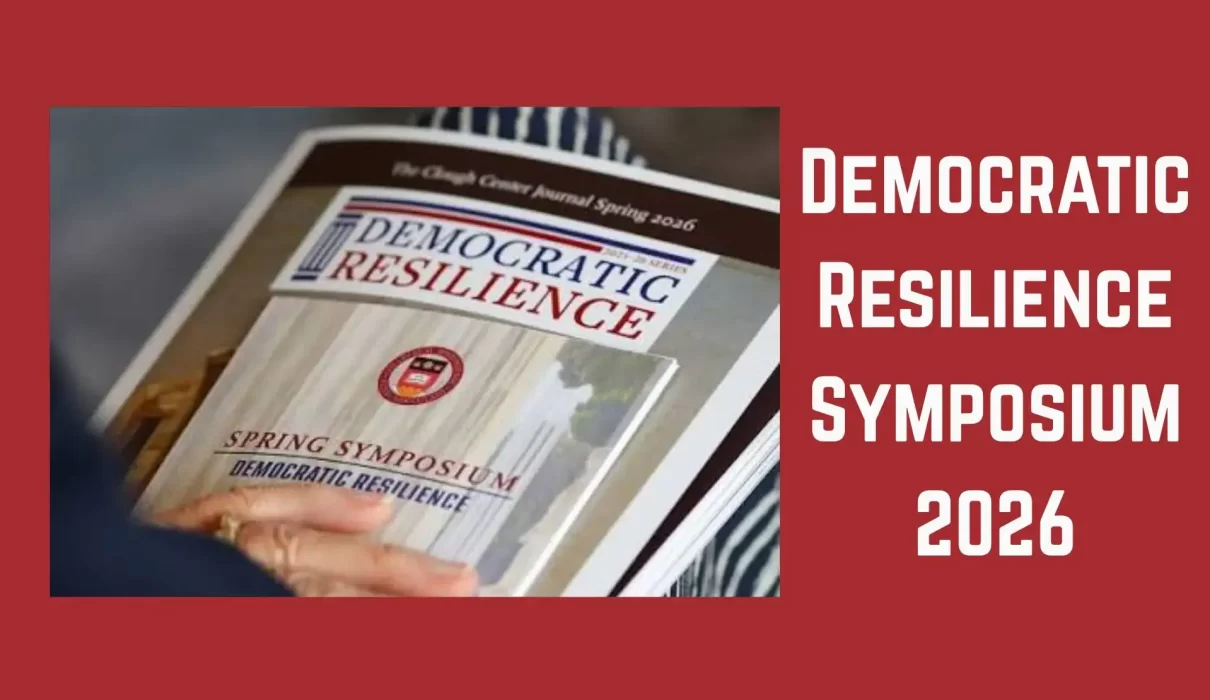
The Indiana University Robert H. McKinney School of Law hosts “Democratic Resilience: Institutional Design, Accountability, and Comparative Responses” on Friday, November 13, 2026, running from 9:00 a.m. to 12:30 p.m. Eastern in Indianapolis. The half-day symposium brings together an unusual combination of subject matter, international criminal court cooperation, immigration due process, and the broader relationship between law and democratic stability, under a single analytical frame.
That combination makes more sense than it might first appear. Scholars studying democratic resilience increasingly argue that the strength of a democracy cannot be measured solely by elections and legislative processes. It also depends on whether institutions, courts, immigration systems, international accountability mechanisms, actually function as designed, and whether they remain insulated from political pressure when it matters most. Indiana McKinney’s symposium builds its program around that broader institutional view rather than treating international law and immigration law as unrelated subjects.
A featured panel includes former Ambassador Joe Donnelly, whose diplomatic experience offers a practical, on-the-ground perspective that pairs well with the symposium’s more academic sessions. Ambassadors and former diplomats bring a vantage point that legal scholars often lack: direct experience watching how international legal frameworks either hold up or collapse under real political pressure. For attorneys working in international law, human rights, or immigration practice, hearing that perspective directly tends to be more valuable than reading about it secondhand.
The symposium offers 3.0 hours of continuing legal education credit, making it accessible for practicing attorneys who need to balance CLE requirements against a demanding schedule. The half-day format itself is worth noting. Rather than asking attendees to commit a full day or more, as many academic symposia do, this program is designed to be absorbed in a single morning, which may explain why it draws attorneys who might otherwise skip a longer commitment.
International criminal court cooperation sessions are likely to address how the United States engages, or declines to engage, with international accountability mechanisms, a subject that carries real practical weight for attorneys working on cases involving war crimes allegations, sanctions, or cross-border human rights litigation. Immigration due process sessions will likely cover the procedural protections available to individuals in removal proceedings and how those protections have shifted amid changing enforcement priorities.
Attorneys practicing immigration law may find it useful to pair the symposium’s institutional and theoretical framing with more client-facing practical guidance. Attorneys Mag’s piece on how a green card lawyer helps clients navigate the immigration system offers a grounded complement to the symposium’s broader due process discussion, useful for attorneys who want to connect institutional analysis back to the realities of individual client representation.
Updated schedule details and registration information are tracked through the AALS Upcoming Symposia calendar and Opinio Juris’s events roundup, both of which aggregate academic legal events relevant to international and comparative law scholars and practitioners.
For law students interested in international law or immigration practice, the symposium offers direct exposure to scholars and practitioners thinking seriously about how legal institutions hold up under political strain, a theme that has only grown more relevant as courts and immigration systems across multiple countries face mounting pressure. Attorneys who attend stand to leave with a sharper framework for understanding how institutional design choices, not just individual case outcomes, shape the durability of legal protections over time.
Last updated on: November 2nd, 2026