 By
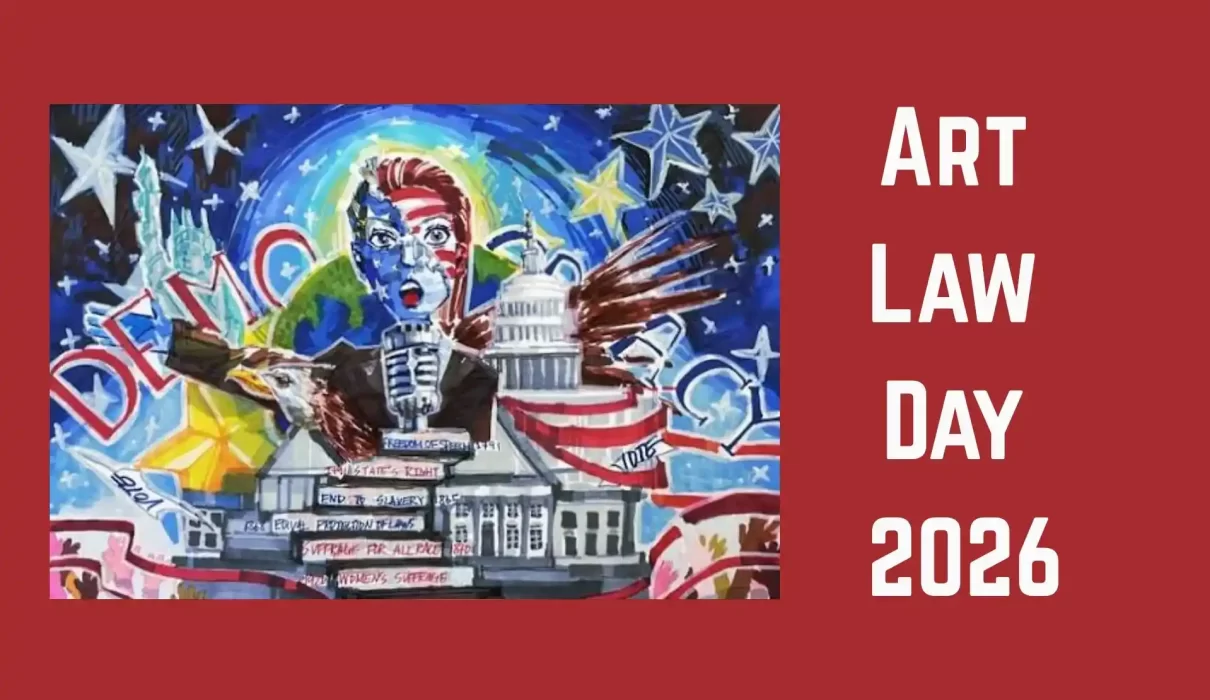
Art and the law rarely get equal billing, but on November 4, 2026, the Benjamin N. Cardozo School of Law in New York City is putting both center stage. Art Law Day returns for another year of sessions built around the legal questions that follow every painting, sculpture, and digital work once it leaves the studio and enters the market. For attorneys who advise galleries, collectors, museums, or artists, this is one of the few gatherings each year dedicated entirely to the niche.
Cardozo has long been a hub for art law scholarship, largely because of its affiliation with the Kernochan Center and its history of training lawyers who go on to work inside auction houses, museums, and entertainment practices. The 2026 program continues that tradition by pulling together practitioners, in-house counsel, and academics to walk through the issues currently reshaping the art world: authentication disputes, provenance research, cross-border sales, and the copyright questions that keep multiplying as artificial intelligence tools generate images that borrow, consciously or not, from existing works.
Copyright sits at the heart of the day’s agenda. The legal industry has spent the past two years watching courts try to answer whether AI-generated output can infringe on a living artist’s work, and whether an artist’s style itself deserves protection. Art Law Day gives attorneys a chance to hear directly from colleagues litigating these questions, rather than piecing together the state of the law from press releases and docket alerts. Sessions are expected to also cover the mechanics of art transactions: representations and warranties in sale agreements, resale royalty obligations, and the due diligence galleries and auction houses are now expected to perform before a work changes hands.
For litigators, the provenance and authentication tracks carry the most practical weight. A forged or misattributed work can unravel a transaction years after the sale closes, and the attorneys who get called in at that point need a working knowledge of how authentication boards operate, what standard of care applies to dealers, and how statutes of limitations get tolled in cases involving stolen or looted art. These are not abstract questions. Museums across the country are still working through claims tied to Nazi-era looting and colonial-era acquisitions, and that work increasingly lands on outside counsel’s desk.
The event also matters for a less obvious reason: it is one of the clearest signals of where intellectual property law is heading next. Copyright disputes involving generative AI are no longer confined to technology companies. Artists, estates, and galleries are filing suit, and the doctrines being tested in those cases, fair use, derivative works, and the boundaries of protectable expression, apply well beyond the art world. Attorneys who practice in entertainment, media, or general IP litigation have reason to pay attention even if their client list has nothing to do with Chelsea galleries.
Registration details and the full agenda are available through Loeb & Loeb’s events page, which has tracked the conference closely given the firm’s active art law practice. Loeb & Loeb’s listing offers the most current schedule as sessions get finalized ahead of the event.
Attorneys considering attending should treat this as a networking opportunity as much as a CLE credit source. The art law bar is small and tight-knit, and conferences like this one are where referral relationships get built between litigators, transactional attorneys, and the appraisers and conservators who often testify as experts. Law students interested in entertainment or IP law will also find value here, since Cardozo’s program draws recruiters from firms with dedicated art law groups.
Given how fast copyright law is moving around AI-generated content, this year’s Art Law Day is likely to draw more attention than usual from attorneys outside the traditional art law niche. Readers tracking the broader copyright litigation landscape may also want to review Attorneys Mag’s coverage of the AI copyright lawsuits reshaping intellectual property law, which lays out how courts are currently approaching ownership and infringement questions tied to generated content.
For a firm trying to build out or strengthen an art law practice, a single day at Cardozo won’t replace years of case experience, but it remains one of the most efficient ways to hear directly from the attorneys currently litigating the field’s hardest questions.
Last updated on: November 2, 2026
1 Comment
Comments are closed.